JSTOR Global Plants Home
  • Home
  • Browse
  • About
  • Access
  • Account
    • Saved Items
    • Profile
  • Log in

Global Plants

Skip to Main Content
  • JSTOR Global Plants Home
  • Global Plants

    • Browse
    • About
    • Access
    • Account
      • Saved Items
      • Profile
Log in
  • Browse
  • About
  • Access
  • Account
    • Saved Items
    • Profile
Advanced Search

Compilation
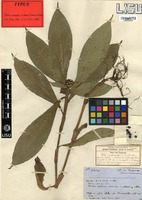
Pollia condensata

13 Images see all

Pollia condensata
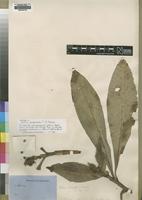
Filed as Pollia condensata C.B.Clarke [family COMMELINACEAE]
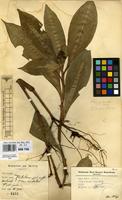
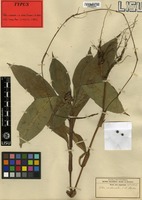
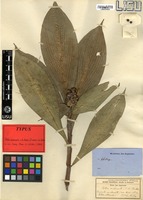
Type of Pollia condensata C.B.Clarke [family COMMELINACEAE]
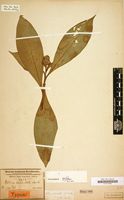
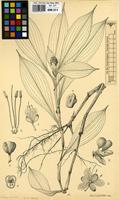
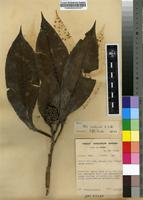
Syntype of Pollia condensata C.B.Clarke [family COMMELINACEAE]
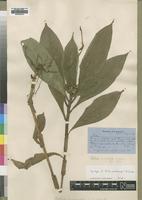
Type of Pollia condensata C.B.Clarke [family COMMELINACEAE]
Filed as Pollia condensata C.B.Clarke [family COMMELINACEAE]
Pollia condensata C.B.Clarke [family COMMELINACEAE]
Syntype of Pollia condensata C.B.Clarke [family COMMELINACEAE]
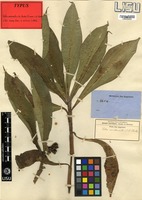
Type of Pollia condensata C.B.Clarke [family COMMELINACEAE]
Pollia condensata
Filed as Pollia condensata C.B.Clarke [family COMMELINACEAE]
Pollia condensata
Type of Pollia condensata C.B.Clarke [family COMMELINACEAE]
Previous
Next

Name

Identification
Pollia condensata C.B.Clarke [family COMMELINACEAE ] (stored under name); Verified by Not on sheet.,
Related name
  • Pollia condensata

Information

Entry for Pollia condensata C.B.CL. [family COMMELINACEAE]
Herbarium
Royal Botanic Gardens, Kew (K)
Collection
Useful Plants of West Tropical Africa
Resource Type
Reference Sources
Entry From
Burkill, H.M. 1985. The useful plants of west tropical Africa, Vol 1
Names
Pollia condensata C.B.CL. [family COMMELINACEAE]
Uses
stem Medicines: generally healing stem Medicines: kidneys, diuretics leaf Medicines: abortifacients, ecbolics plant Phytochemistry: mucilage Social: religion, superstitions, magic Social: sayings, aphorisms
Description
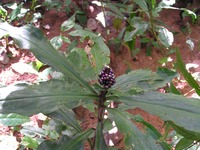
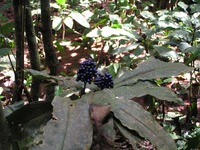
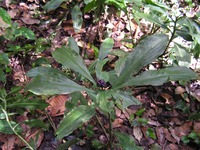
A stout herb, stems decumbent or stoloniferous, or erect to over 1 m high, in forest shade, occurring in Sierra Leone to W Cameroons, and generally throughout tropical Africa.The Asante names refer to the blue bead-like fruits likening them to the eyes of a species of small black antelope (1).The plant is very mucilaginous. In Cameroun the stems are used as a wound-dressing (2), and in Gabon they are crushed and made into an infusion which is drunk for urethral discharge (3, 4). The leaves are put in water used in Ghana as a wash during pregnancy to ensure speedy delivery (1).In Gabon the plant is a fetish of elephant hunters (4).
References
References:1. Irvine, 1930: 348. 2. Leeuwenberg 7074, K. 3. Walker, 1953, a: 27. 4. Walker & Sillans, 1961: 125.
Contributor
Royal Botanic Gardens, Kew (K)

Related Materials

  • Terms and Conditions
  • Privacy Policy
  • Cookie Policy
  • Cookie Settings
  • Accessibility
  • Help
  • Contact Us
  • Facebook
  • Twitter
ITHAKA

JSTOR is part of ITHAKA, a not-for-profit organization helping the academic community use digital technologies to preserve the scholarly record and to advance research and teaching in sustainable ways.

©2000-2026 ITHAKA. All Rights Reserved. JSTOR®, the JSTOR logo, JPASS®, Aluka®, and ITHAKA® are registered trademarks of ITHAKA.

╳