JSTOR Global Plants Home
  • Home
  • Browse
  • About
  • Access
  • Account
    • Saved Items
    • Profile
  • Log in

Global Plants

Skip to Main Content
  • JSTOR Global Plants Home
  • Global Plants

    • Browse
    • About
    • Access
    • Account
      • Saved Items
      • Profile
Log in
  • Browse
  • About
  • Access
  • Account
    • Saved Items
    • Profile
Advanced Search

Compilation
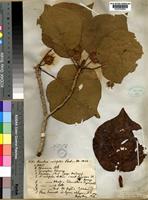
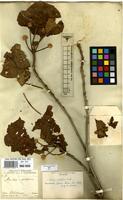
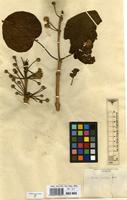
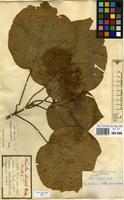
Haldina cordifolia

4 Images see all

Type of Nauclea cordifolia Roxb. [family RUBIACEAE]
Filed as Haldina cordifolia (Roxb.) Ridsdale [family RUBIACEAE]
Previous
Next

Name

Identification
Haldina cordifolia (Roxb.) Ridsdale [family RUBIACEAE ] (stored under name); Verified by Not on sheet,
Related name
  • Haldina cordifolia
  • Nauclea cordifolia
  • Adina cordifolia

Information

Entry for Haldina cordifolia (Hook.f.) Ridsd. [family RUBIACEAE]
Herbarium
Royal Botanic Gardens, Kew (K)
Collection
Useful Plants of West Tropical Africa
Resource Type
Reference Sources
Entry From
Burkill, H.M. 1985. The useful plants of west tropical Africa, Vol 4
Names
Adina cordifolia Hook.f. [family RUBIACEAE]
Haldina cordifolia (Hook.f.) Ridsd. [family RUBIACEAE]
Uses
(bark) Medicines: generally healing (bark) Medicines: fabrifuges (bark) Phytochemistry: tannins, astringents (timber) Products: building materials (wood) Products: exudations-gums, resins, etc. (timber) Products: carpentry and related applications
Description
A tall deciduous tree, straight fluted bole, to 20 m tall; of the sub-Himalayan regions of India, Nepal, Assam, Burma and Thailand. It has been introduced into Nigeria under cultivation in the Olokemeji Forest Reserve.No usage in the Region is recorded, b
References
Reference:1. Manjunath, 1948: 32–33.
Contributor
Royal Botanic Gardens, Kew (K)

Related Materials

  • Terms and Conditions
  • Privacy Policy
  • Cookie Policy
  • Cookie Settings
  • Accessibility
  • Help
  • Contact Us
  • Facebook
  • Twitter
ITHAKA

JSTOR is part of ITHAKA, a not-for-profit organization helping the academic community use digital technologies to preserve the scholarly record and to advance research and teaching in sustainable ways.

©2000-2026 ITHAKA. All Rights Reserved. JSTOR®, the JSTOR logo, JPASS®, Aluka®, and ITHAKA® are registered trademarks of ITHAKA.

╳