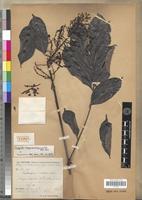
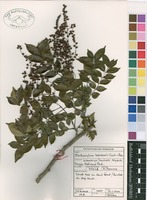
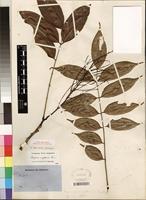
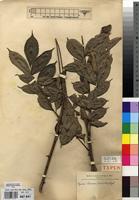
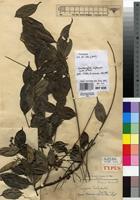
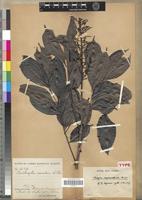
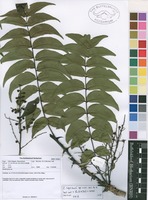
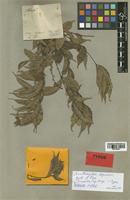
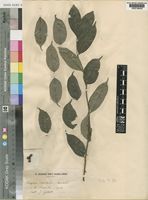
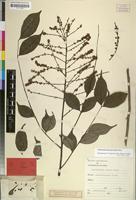
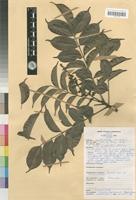
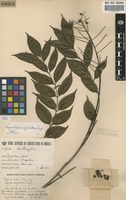
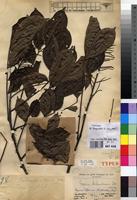
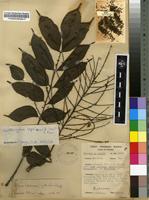
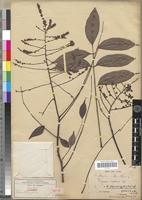
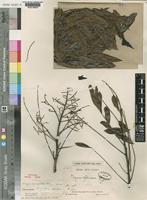
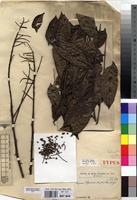
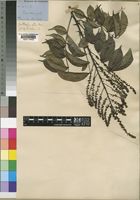
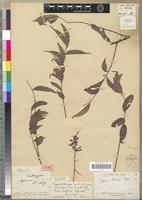
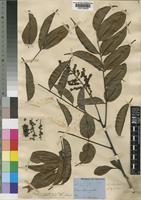
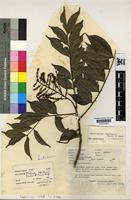
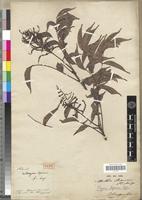
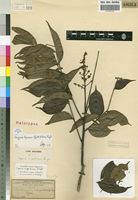
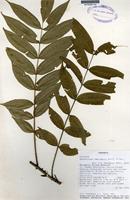
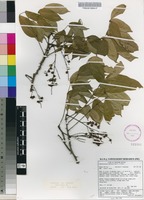
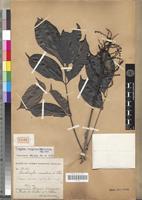
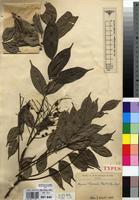
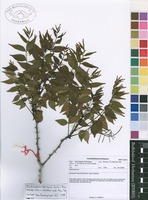
Fagara keleketeDe Wild. [family RUTACEAE ] Verified by Not on sheet, Zanthoxylum leprieuriiGuill. & Perr. [family RUTACEAE ] (stored under name); Verified by Not on sheet,
Related name
Fagara kibomboensis
Zanthoxylum leprieurii
`
Fagara angolensis
Fagara leprieurii
Zanthoxylum nitens
Fagara kelekete
Common name
(Brin/Seleki) biri kit (K&A) bugit (K&A) (SENEGAL, DIOLA), Burkill, H.M. 1985. The useful plants of west tropical Africa, Vol. 4
budoginam (K&A) (SENEGAL, DIOLA-FLUP), Burkill, H.M. 1985. The useful plants of west tropical Africa, Vol. 4
sotokuru (JB; (SENEGAL, MANDING-BAMBARA), Burkill, H.M. 1985. The useful plants of west tropical Africa, Vol. 4
sekra (K&A) sikra (K&A) (SENEGAL, BANYUN), Burkill, H.M. 1985. The useful plants of west tropical Africa, Vol. 4
busań (K&A) fosań (K&A) (SENEGAL, DIOLA (Tentouck)), Burkill, H.M. 1985. The useful plants of west tropical Africa, Vol. 4
bulin (K&A) karsandako (K&A) kasań (K&A) (SENEGAL, DIOLA (Fogny)), Burkill, H.M. 1985. The useful plants of west tropical Africa, Vol. 4
Flora
Entry for ZANTHOXYLUM Leprieurii Guill. et Perr. [family RUTACEAE]
Herbarium
Royal Botanic Gardens, Kew (K)
Collection
Flora of Tropical Africa
Resource Type
Reference Sources
Entry From
Flora of Tropical Africa, Vol 1, page 303, (1868) Author: (by Prof. Oliver).
Names
ZANTHOXYLUM LeprieuriiGuill. et Perr. [family RUTACEAE], Fl. Seneg. i. 141.
Information
Branches rigid, terete, prickly. Leaves 13–15-foliolate, glabrous; leaflets ovate-lanceolate, acuminate, narrowed to the base, denticulate, shining above, paler beneath, sessile, 1–2 in. long, 4–6 lines broad; common petiole 5–8 in., aculeate. Flowers (female only known) small, in terminal spicate racemes. Sepals 5, minute, roundish. Petals 5, much longer than the sepals, ovate-oblong, obtuse, subemarginate, reflexed. Ovary 1–2-ovulate, ovoid-oblong. Style lateral, incurved.
Distribution
Senegambia Upper Guinea Leprieur.
Notes
Zanthoxylum Leprieurii I have failed to identify amongst our collections. It was described from incomplete specimens with pistillate flowers only, so that possibly Z. rubescens, to which it is evidently nearly allied, may prove to be the same, though differing apparently in the symmetry of the flowers.