JSTOR Global Plants Home
  • Home
  • Browse
  • About
  • Access
  • Account
    • Saved Items
    • Profile
  • Log in

Global Plants

Skip to Main Content
  • JSTOR Global Plants Home
  • Global Plants

    • Browse
    • About
    • Access
    • Account
      • Saved Items
      • Profile
Log in
  • Browse
  • About
  • Access
  • Account
    • Saved Items
    • Profile
Advanced Search

Compilation
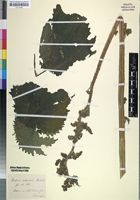
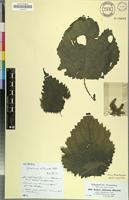
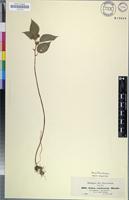
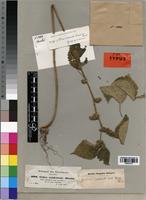
Urtica condensata

23 Images see all

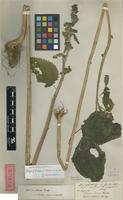
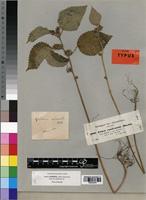
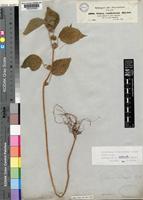
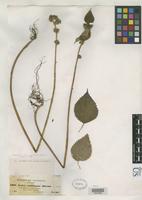
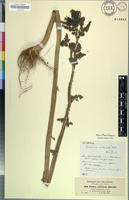
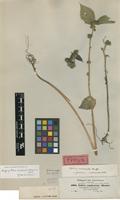
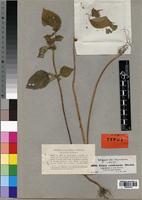
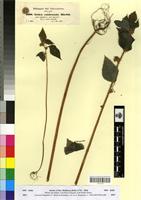
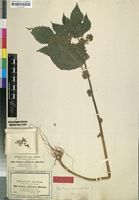
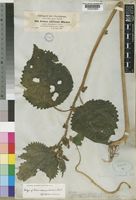
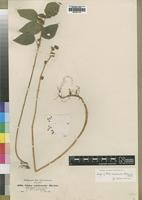
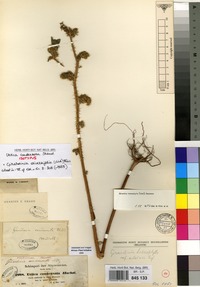
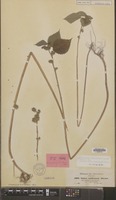
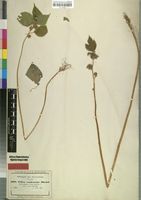
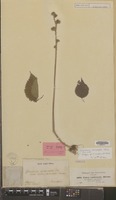
Isotype of Urtica adoensis Hochst. [family URTICACEAE]
Isotype of Urtica adoense Hochst. ex Steud. [family URTICACEAE]
Isotype of Urtica condensata Hochst. ex Steud. [family URTICACEAE]
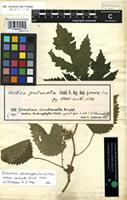
Isotype of Urtica condensata Steud. [family URTICACEAE]
Isotype of Urtica adoensis Steud. [family URTICACEAE]
Isotype of Urtica condensata Steud. [family URTICACEAE]
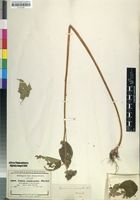
Girardinia diversifolia (Link) Friis [family URTICACEAE]
Isotype of Urtica condensata Hochstetter, C.F.F. 1850 [family URTICACEAE]
Isotype of Urtica adoense Hochst. ex Steud. [family URTICACEAE]
Isotype of Urtica condensata Steud. [family URTICACEAE]
Isotype of Urtica adoensis Hochst. [family URTICACEAE]
Isotype of Urtica adoensis Steud. [family URTICACEAE]
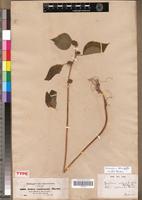
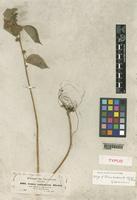
Type of Urtica condensata Steud. [family URTICACEAE]
Isotype of Urtica condensata Hochst. ex Steud. [family URTICACEAE]
Isotype of Urtica condensata Steud. [family URTICACEAE]
Holotype of Urtica palmata Forssk. [family URTICACEAE]
Isotype of Girardinia diversifolia (Link) Friis [family URTICACEAE]
Isotype of Urtica condensata Hochst. ex Steud. [family URTICACEAE]
Previous
Next

Name

Identification
Isotype of Urtica condensata Hochst. ex Steud. [family URTICACEAE ] Girardinia diversifolia (Link) Friis [family URTICACEAE ] (stored under name); Verified by Friis et al.,
Related name
  • Girardinia heterophylla
  • Urera condensata
  • Urtica condensata
  • Girardinia condensata
  • Girardinia diversifolia

Flora

Entry for GIRARDINIA condensata Wedd. [family URTICACEAE]
Herbarium
Royal Botanic Gardens, Kew (K)
Collection
Flora of Tropical Africa
Resource Type
Reference Sources
Entry From
Flora of Tropical Africa, Vol 6, Part 2, page 240, (1917)
Names
GIRARDINIA condensata Wedd. [family URTICACEAE], Monogr. Urtic. 169, and t. 2, B, figs. 1–4. —Wedd. in DC. Prodr. xvi. i. 103, and in a more limited sense, in Ann. Sci. Nat. 4me sér. i. 181; Engl. Hochgebirgsfl. Trop. Afr. 193, Pfl. Ost-Afr. C. 163, in Engl. Jahrb. xxx. 296, and in Mildbraed, Wiss. Ergebn. Deutsch. Zentr.-Afr. Exped. 1907–8, ii. 190.
GIRARDINIA adoënsis Wedd. [family URTICACEAE], in Ann. Sci. Nat. 4me sér. i. 181; Hiern in Cat. Afr. Pl. Welw. i. 990.
Urtica adoënsis Hochst. ex Steud. [family URTICACEAE], in Flora, 1850, 259; A. Rich. Tent. Fl. Abyss. ii. 262.
Urtica condensata Hochst. ex Steud. [family URTICACEAE], l.c. 260; A. Rich. l.c. 263.
Information
A herb, monœcious or diœcious; stem erect, 1 1/2–6 ft. high, simple or slightly branched, somewhat succulent, furrowed, hirtellous and beset with sharp stinging hairs, as are also the petioles, becoming glabrous below. Leaves very variable in form and size, simple and ovate or rotund-ovate, with acuminate apex and serrate or grossly serrate margin, becoming even on the same plant 3-lobed to deeply 3-lobed, lobes acuminate, with more or less serrate margin and sometimes with a shorter secondary lobe, base rounded, or very blunt to truncate or somewhat cordate, conspicuously 3-nerved, lateral nerves and veins more or less conspicuous beneath, 2–10 in. long, 1 1/6–10 in. wide, thinly membranous when dry, upper face dotted with cystoliths and with appressed white hairs, also a few stinging hairs on the nerves, lower face similarly hairy; petiole generally less than half the length of the leaf. United stipules broadly ovate, 2-fid at the apex, somewhat hispid, soon falling. Inflorescences unisexual, generally solitary in the leaf-axils, with a short peduncle, sometimes a second of alternative sex is present. Male simple, forked or with a few lax branches shorter or longer than the petiole, flowers densely arranged along the axes; bud about 1 lin. in diam.; perianth 4–5-partite, segments with merely a small thickening of the mid-vein below the apex, hispidulous on the back. Female shorter than the petioles, the cymules densely crowded on the axis or its short branches, densely beset with spreading white stinging hairs; flowers subsessile; perianth consisting of a very concave upper segment obscurely toothed at the apex and a caducous slender transparent hair-like lower segment. In fruit the inflorescence forms capitate or generally thick oblong or cylindrical spike-like simple or branched masses 1/2 lin. to 2 in. long, densely covered with the spreading stiff stinging hairs. Achene broadly ovate or somewhat cordate, 1 1/4 to nearly 2 lin. long.
Distribution
Angola Lower Guinea Pungo Andongo; Welwitsch, 6295, partly (6296 in Herb. Kew.)! Huilla; Monino, Welwitsch, 6289!German East Africa Mozamb. Dist. Livingstone Mountains, Goetze, 1175.Nyasaland Mozamb. Dist. Mount Chiradzulu, Whyte ! Shire Highlands; Blantyre, Buchanan, 71! 166! Nyika Plateau, 6000–7000 ft., Whyte, 227! Manganja Hills, Waller ! Tshinmuzo, 3000 ft., Kirk ! and without precise locality, Buchanan, 557!Abyssinia Nile Land near Adowa, Schimper, 101! Mount Sholoda, Schimper, 1888! Mai Sigamo, 6200 ft., Schimper, 277! Sanka Berr, 7000 ft., Schimper, 1256! and without precise locality, Schimper, 816!British East Africa Nile Land Rabai, Taylor ! Kibwezi River, Kaessner, 691! Eldama Ravine and Mau, 7000–7500 ft., Whyte !Congo South Central Niragongo, north of Lake Kivu, Mildbraed, 1306.Nigeria Upper Guinea Ewena, Thompson, 514!
Notes
Very near the Himalayan G. heterophylla, Don.

Related Materials

  • Terms and Conditions
  • Privacy Policy
  • Cookie Policy
  • Cookie Settings
  • Accessibility
  • Help
  • Contact Us
  • Facebook
  • Twitter
ITHAKA

JSTOR is part of ITHAKA, a not-for-profit organization helping the academic community use digital technologies to preserve the scholarly record and to advance research and teaching in sustainable ways.

©2000-2026 ITHAKA. All Rights Reserved. JSTOR®, the JSTOR logo, JPASS®, Aluka®, and ITHAKA® are registered trademarks of ITHAKA.

╳