JSTOR Global Plants Home
  • Home
  • Browse
  • About
  • Access
  • Account
    • Saved Items
    • Profile
  • Log in

Global Plants

Skip to Main Content
  • JSTOR Global Plants Home
  • Global Plants

    • Browse
    • About
    • Access
    • Account
      • Saved Items
      • Profile
Log in
  • Browse
  • About
  • Access
  • Account
    • Saved Items
    • Profile
Advanced Search

Compilation
Telfairia occidentalis

10 Images see all

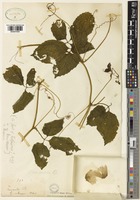
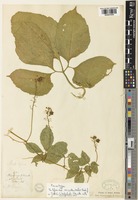
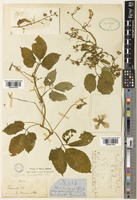
Lectotype of Telfairia occidentalis Hook.f. [family CUCURBITACEAE]
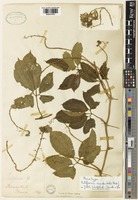
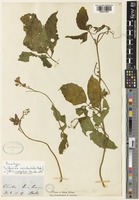
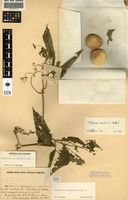
Telfairia occidentalis Hook.f. [family CUCURBITACEAE]
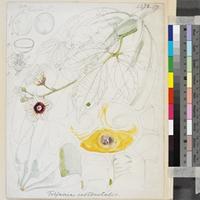
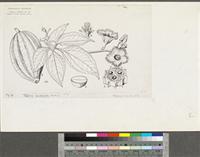
Telfairia occidentalis Hook.f. original illustration from Curtis's Botanical Magazine
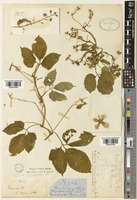
Telfairia occidentalis Hook.f. [family CUCURBITACEAE]
Telfairia occidentalis Hook.f.; original illustration from FWTA
Paratype of Telfairia occidentalis Hook.f. [family CUCURBITACEAE]
Telfairia occidentalis Hook , F. [family CUCURBITACEAE]
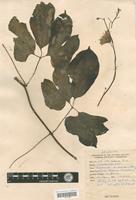
Telfairia occidentalis Hook.f. [family CUCURBITACEAE]
Filed as Telfairia occidentalis Hook.f. [family CUCURBITACEAE]
Previous
Next

Name

Identification
Telfairia occidentalis Hook.f. [family CUCURBITACEAE ]
Related name
  • Telfairia occidentalis

Flora

Entry for TELFAIRIA occidentalis Hook. f. [family CUCURBITACEAE]
Herbarium
Royal Botanic Gardens, Kew (K)
Collection
Flora of Tropical Africa
Resource Type
Reference Sources
Entry From
Flora of Tropical Africa, Vol 2, page 521, (1871) Author: (By Mr. J. G. Baker.)
Names
TELFAIRIA occidentalis Hook. f. [family CUCURBITACEAE]
Information
Very similar indeed to T. pedata, but the leaflets are all triple-nerved from near the base, the flowers apparently smaller and the calyx-lobes less deeply serrate. Female fl. not seen. Fruit 2 ft. long, acutely 10-ribbed, apex obtusely produced.
Distribution
Sierra Leone Upper Guinea Barter! Common in littoral hedges of Euphorbia aphylla, Dr. Welwitsch!Fernando Po Upper Guinea Mann!Abbeokuta Upper Guinea Irving!
Notes
Mann states that it is cultivated for the seeds, which the negroes boil and eat.

Related Materials

  • Terms and Conditions
  • Privacy Policy
  • Cookie Policy
  • Cookie Settings
  • Accessibility
  • Help
  • Contact Us
  • Facebook
  • Twitter
ITHAKA

JSTOR is part of ITHAKA, a not-for-profit organization helping the academic community use digital technologies to preserve the scholarly record and to advance research and teaching in sustainable ways.

©2000-2026 ITHAKA. All Rights Reserved. JSTOR®, the JSTOR logo, JPASS®, Aluka®, and ITHAKA® are registered trademarks of ITHAKA.

╳