JSTOR Global Plants Home
  • Home
  • Browse
  • About
  • Access
  • Account
    • Saved Items
    • Profile
  • Log in

Global Plants

Skip to Main Content
  • JSTOR Global Plants Home
  • Global Plants

    • Browse
    • About
    • Access
    • Account
      • Saved Items
      • Profile
Log in
  • Browse
  • About
  • Access
  • Account
    • Saved Items
    • Profile
Advanced Search

Compilation
Sorghum notabile

3 Images see all

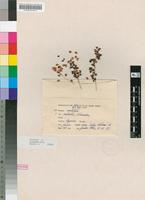
Isotype of Sorghum notabile Snowden var. notabile Snowden [family POACEAE]
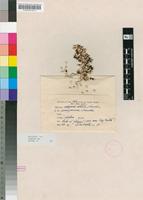
Isotype of Sorghum notabile Snowden var. nigrescens Snowden [family POACEAE]
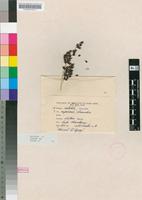
Isotype of Sorghum notabile Snowden var. planogranum Snowden [family POACEAE]
Previous
Next

Name

Identification
Isotype of Sorghum notabile Snowden [family POACEAE ] Verified by Not on sheet, Sorghum bicolor (L.) Moench [family POACEAE ] (stored under name); Verified by Not on sheet,
Related name
  • Sorghum notabile
  • Sorghum bicolor
Common name
  • abám (Armstrong) acọ (Armstrong) (NIGERIA, IDOMA), Burkill, H.M. 1985. The useful plants of west tropical Africa, Vol. 2
  • kaziegu a red form (Coull) (GHANA, DAGBANI), Burkill, H.M. 1985. The useful plants of west tropical Africa, Vol. 2
  • ekpan bokungi a white form (JMD) ekpan djúrúgi a red form (JMD) ekpan emigi a yellow form (JMD) ekpan etswa gútági a 3–months crop (JMD) ekpan gbadza, ekpan guduchi (JMD) eyi takungi a dwarf form (JMD) gbagù, màyi gbagu (JMD) kpayi a long-headed form (JMD) kuyi, kuyi beyigi (JMD) màyì a long-headed form (JMD) màyì chintara ebe = monkey’s tail; a long-headed form (JMD) shurugi (JMD) surù a very small form (JMD) (NIGERIA, NUPE), Burkill, H.M. 1985. The useful plants of west tropical Africa, Vol. 2
  • jan dawa a red race (Schule) (NIGERIA, HAUSA), Burkill, H.M. 1985. The useful plants of west tropical Africa, Vol. 2
  • bassi qui (Williams) bassi wulima (Williams) (THE GAMBIA, MANDING-MANDINKA), Burkill, H.M. 1985. The useful plants of west tropical Africa, Vol. 2
  • kafir-corn., Burkill, H.M. 1985. The useful plants of west tropical Africa, Vol. 2
  • bambaram-bassô (JDES) (GUINEA-BISSAU, MANDING-MANDINKA), Burkill, H.M. 1985. The useful plants of west tropical Africa, Vol. 2
  • faбák a c.var. with grey grain (FG&G) sangare a c.var. with flat bulky grain (FG&G) (SENEGAL, BEDIK), Burkill, H.M. 1985. The useful plants of west tropical Africa, Vol. 2
  • midjo cabalo (JDES) (GUINEA-BISSAU, CRIOULO), Burkill, H.M. 1985. The useful plants of west tropical Africa, Vol. 2

Information

Entry for Sorghum bicolor (Linn.) Moench, race bicolor [family POACEAE]
Herbarium
Royal Botanic Gardens, Kew (K)
Collection
Useful Plants of West Tropical Africa
Resource Type
Reference Sources
Entry From
Burkill, H.M. 1985. The useful plants of west tropical Africa, Vol 2
Names
Sorghum bicolor (Linn.) Moench, race bicolor [family POACEAE]
Sorghum membranaceum var baldratianum Chiov. [family POACEAE]
Sorghum notabile var notabile Snowden [family POACEAE]
Common names
English kafir-corn. SENEGAL: BEDIK faбák a c.var. with grey grain (FG&G) sangare a c.var. with flat bulky grain (FG&G) THE GAMBIA: MANDING-MANDINKA bassi qui (Williams) bassi wulima (Williams) GUINEA-BISSAU: CRIOULO midjo cabalo (JDES) MANDING-MANDINKA bambaram-bassô (JDES) GHANA: DAGBANI kaziegu a red form (Coull) NIGERIA: HAUSA jan dawa a red race (Schule) IDOMA abám (Armstrong) acọ (Armstrong) NUPE ekpan bokungi a white form (JMD) ekpan djúrúgi a red form (JMD) ekpan emigi a yellow form (JMD) ekpan etswa gútági a 3–months crop (JMD) ekpan gbadza, ekpan guduchi (JMD) eyi takungi a dwarf form (JMD) gbagù, màyi gbagu (JMD) kpayi a long-headed form (JMD) kuyi, kuyi beyigi (JMD) màyì a long-headed form (JMD) màyì chintara ebe = monkey’s tail; a long-headed form (JMD) shurugi (JMD) surù a very small form (JMD)
Description
A heterogeneous race, low-yielding but grown for its grain which is eaten, brewed into beer, and fed to stock. Baking trials under an United Nations programme using a 50:50 mixture of wheaten and millet flour produced an acceptable loaf, and bread containing 40% millet flour is now commercially sold in the Chad area. It is well-received, long keeping and with a good flavour (1, 3).Many strains have sweet stems which are chewed. Attempts to grow such strains as a commercial source of sugar have not been successful because of the difficulty of crystallising the product. The press-cake after extraction of the sugar contains about 10% hard wax (4).The Tenda of SE Senegal consider that the plant is proprietary to men. Its cultivation is precise and a specific terminology has been developed (2). Most of the crop is fermented for beer, the balance being pounded to flour for consumption as gruel or sauce (2). The flour and beer enter into ritual uses (2).
References
Kaoling sorghum, S. membranaceum sensu Snowden: $NIGERIA ~HAUSA makaatoo-da-waayoo a soft sweet form (JMD; ZOG)Sugar sorghum, S. notabile sensu Snowden: $NIGERIA ~HAUSA léébèn raaк̉úmìì = lips of the camel (JMD; ZOG) wútsíyàr gííwáá = tail of the elephant (JMD; ZOG)References:1. Anon., 1971, a: 215–17. 2 Ferry & al., 1974: sp. no. 135, S. vulgare. 3. Raymond & al 1954: 152–8. 4. Watt & Breyer-Brandwijk, 1962: 486–8, as S. dochna Snowden.
Contributor
Royal Botanic Gardens, Kew (K)

Related Materials

  • Terms and Conditions
  • Privacy Policy
  • Cookie Policy
  • Cookie Settings
  • Accessibility
  • Help
  • Contact Us
  • Facebook
  • Twitter
ITHAKA

JSTOR is part of ITHAKA, a not-for-profit organization helping the academic community use digital technologies to preserve the scholarly record and to advance research and teaching in sustainable ways.

©2000-2026 ITHAKA. All Rights Reserved. JSTOR®, the JSTOR logo, JPASS®, Aluka®, and ITHAKA® are registered trademarks of ITHAKA.

╳