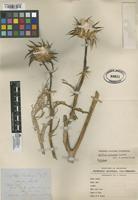
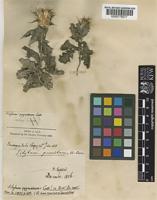
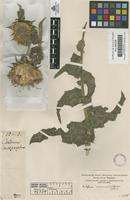
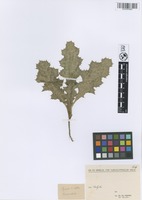
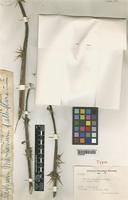
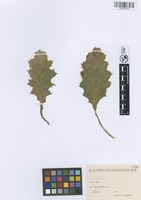
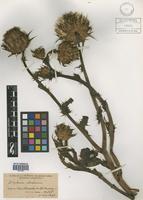
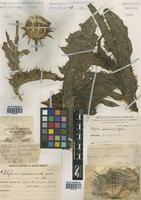
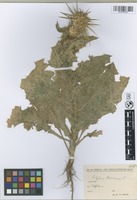
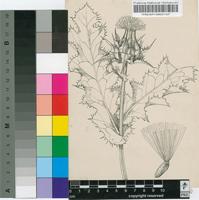
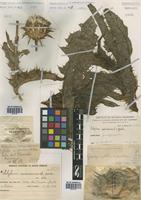
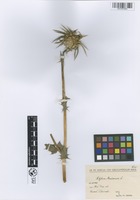
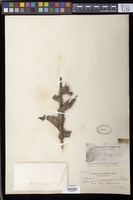
Stems glabrous or slightly tomentose. Leaves: basal wing-petioled, blades 15–60+ cm, margins coarsely lobed; cauline leaves clasping, progressively smaller and less divided, bases spiny, coiled, auriculate. Phyllary appendages spreading, ovate, 1–4 cm including long-tapered spine tips. Corollas 26–35 mm; tubes 13–25 mm, throats campanulate, 2–3 mm, lobes 5–9 mm. Cypselae brown and black spotted, 6–8 mm; pappus scales 15–20 mm. 2n = 34.
Phenology
feb (winter), mar-may (spring), jun-aug (summer), sep (fall)
Silybum marianum is sometimes cultivated as an ornamental, a minor vegetable, or as a medicinal herb. Young shoots can be boiled and eaten like cabbage and young leaves can be added to salads. The seeds can be used as a coffee substitute. Extracts of S. marianum are used as an herbal treatment for liver ailments.