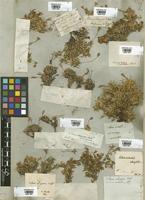
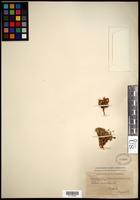
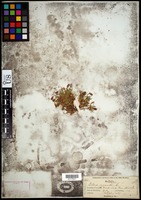
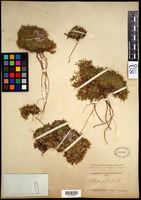
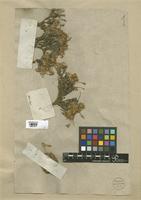
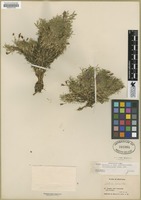
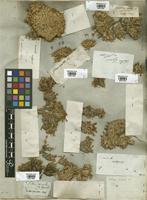
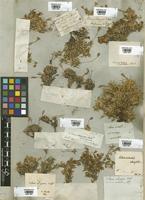
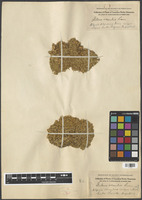
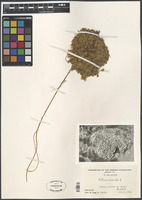
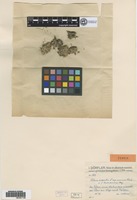
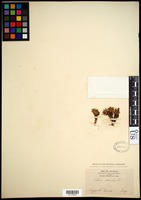
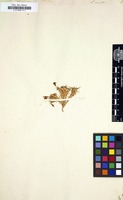
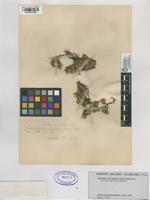
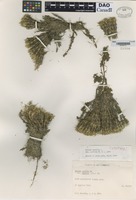
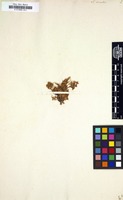
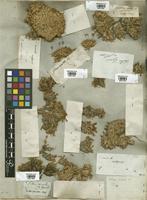
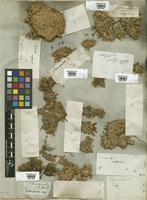
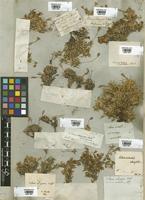
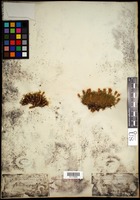
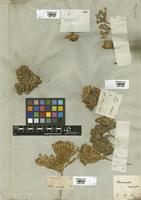
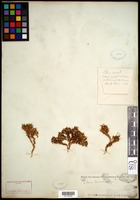
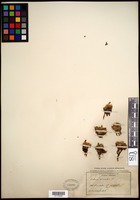
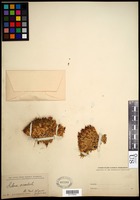
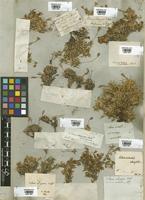
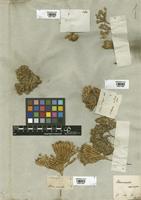
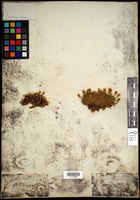
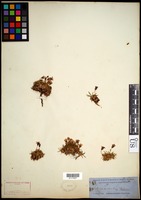
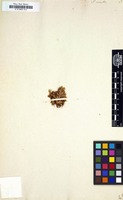
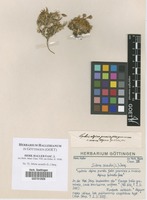
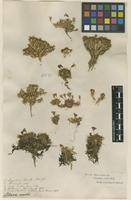
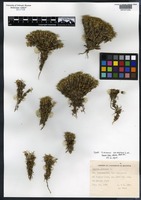
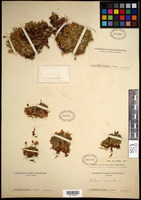
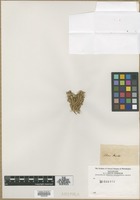
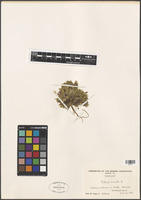
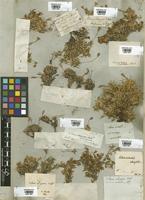
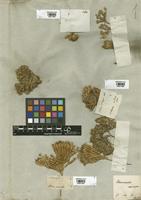
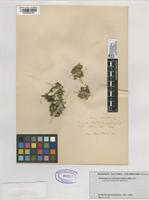
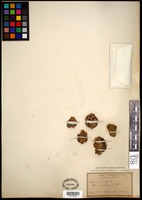
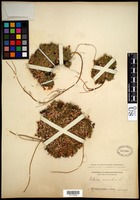
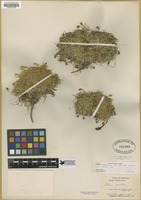
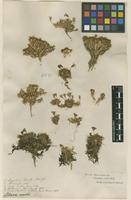
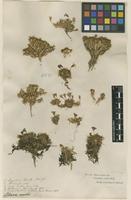
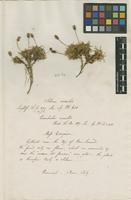
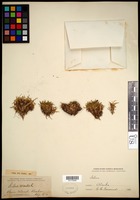
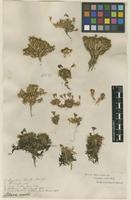
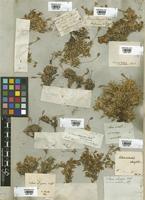
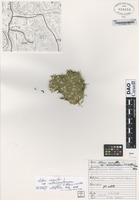
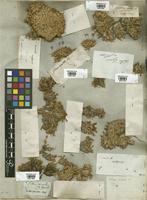
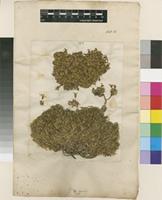
Plants perennial, mat- or cushion-forming, subglabrous; taproot stout; caudex much-branched, becoming woody. Flowering stems erect, leafy proximally, 3–6(–15) cm, old leaves persistent at base. Leaves mostly basal, densely crowded and imbricate, sessile; blade 1(–3)-veined, linear-subulate to lanceolate, 0.4–1(–1.5) cm × 0.8–1.5(–2) mm, margins cartilaginous, often ciliolate especially proximally, apex acute, glabrous to scabrous. Inflorescences solitary flowers. Pedicels 2–40 mm. Flowers bisexual or unisexual, all plants having both staminate and pistillate flowers, others having only pistillate flowers, subsessile or borne singly on peduncle; calyx 10-veined, lateral veins absent, tubular to campanulate, (5–)7–10 mm, herbaceous, margins often purple tinged, dentate, sometimes ciliate, ± scarious, glabrous, lobes lanceolate to ovate, 1–2 mm; petals bright pink, rarely white, limb unlobed to shallowly 2-fid, 2.5–3.5 mm, base tapered into claw, auricles and appendages poorly developed; stamens exserted in staminate flowers, not so or aborted in pistillate flowers; styles 3. Capsules 3-locular, cylindric, equaling or to 2 times calyx, opening by 6 recurved teeth; carpophore ca. 1 mm. Seeds light brown, reniform, 0.8–1(–1.2) mm broad, dull, shallowly rugose. 2n = 24.