JSTOR Global Plants Home
  • Home
  • Browse
  • About
  • Access
  • Account
    • Saved Items
    • Profile
  • Log in

Global Plants

Skip to Main Content
  • JSTOR Global Plants Home
  • Global Plants

    • Browse
    • About
    • Access
    • Account
      • Saved Items
      • Profile
Log in
  • Browse
  • About
  • Access
  • Account
    • Saved Items
    • Profile
Advanced Search

Compilation
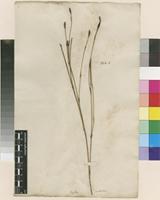
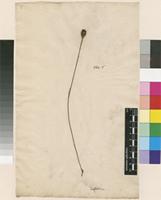
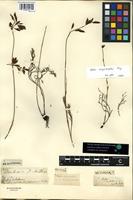
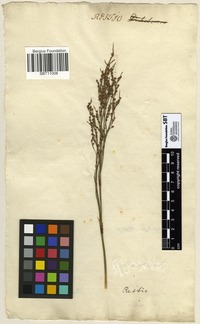
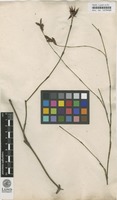
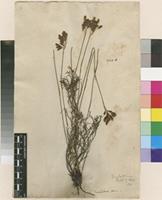
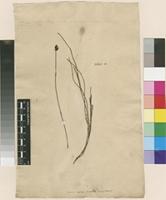
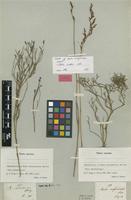
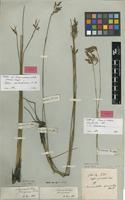
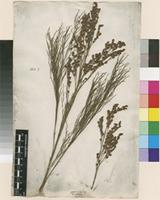
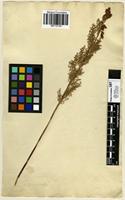
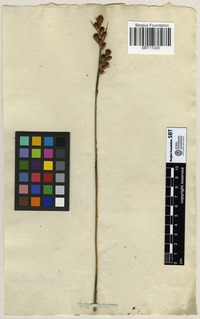
Restio dichotomus

21 Images see all

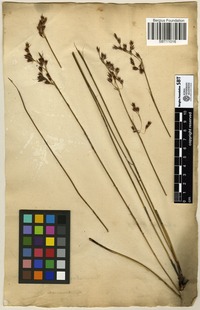
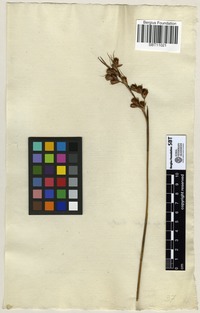
Filed as Thamnochortus dichotomus R.Br. [family RESTIONACEAE]
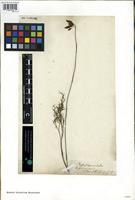
Type of Restio dichotomus Thunb. [family RESTIONACEAE]
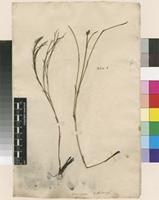
Lectotype of Restio dichotomus L. [family RESTIONACEAE]
Filed as Thamnochortus [family RESTIONACEAE]
Filed as Restio dichotomus L. [family RESTIONACEAE]
Syntype of Restio dichotomus Rottb. [family RESTIONACEAE]
Filed as Restio dichotomus L. [family RESTIONACEAE]
Filed as Restio vimineus L. [family RESTIONACEAE]
Filed as Restio dichotomus L. [family RESTIONACEAE]
Filed as Restio subfalcatus Mast. [family RESTIONACEAE]
Type of Thamnochortus bromoides Kunth [family RESTIONACEAE]
Filed as Restio dichotomus L. [family RESTIONACEAE]
Holotype of Thamnochortus fruticosus P.J.Bergius [family RESTIONACEAE]
Filed as Thamnochortus [family RESTIONACEAE]
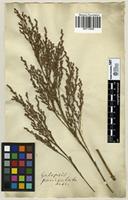
Filed as Calopsis paniculata Desv. [family RESTIONACEAE]
Syntype of Restio dichotomus Rottb. [family RESTIONACEAE]
Type? of Restio kunthii Steud. [family RESTIONACEAE]
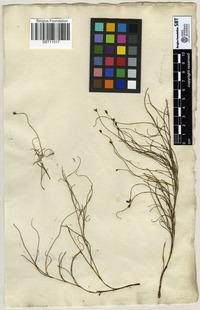
Filed as Thamnochortus [family RESTIONACEAE]
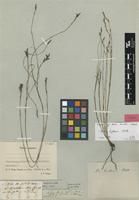
Isolectotype of Restio kunthii Steud. [family RESTIONACEAE]
Previous
Next

Name

Identification
Restio dichotomus Thunb. [family RESTIONACEAE ] Verified by Not on sheet., Thamnochortus argenteus (Thunb.) Kunth [family RESTIONACEAE ] (stored under name); Verified by Not on sheet.,
Related name
  • Eulophia tristis
  • Ischyrolepis triflora
  • Restio scariosus
  • Ischyrolepis capensis
  • Restio cuspidatus
  • Restio patens
  • Restio kunthii
  • Thamnochortus scariosus
  • Restio subfalcatus
  • Thamnochortus argenteus
  • Thamnochortus
  • Restio triflorus
  • Restio vimineus
  • Restio tamnocortus
  • Restio dichotomus
  • Restio
  • Thamnochortus fruticosus
  • Leptocarpus paniculatus
  • Thamnochortus dichotomus
  • Scirpus
  • Schoenus capensis
  • Schoenus indet.
  • Restio microstachys
  • Calopsis paniculata
  • Elegia
  • Hypodiscus argenteus
  • Restio paniculatus

Flora

Entry for RESTIO ferruginosus Link ex Kunth [family RESTIONACEAE]
Herbarium
Royal Botanic Gardens, Kew (K)
Collection
Flora Capensis
Resource Type
Reference Sources
Entry From
Flora Capensis, Vol 7, page 59, (1900) Author: (By M. T. MASTERS.)
Names
RESTIO ferruginosus Link ex Kunth [family RESTIONACEAE], Enum. iii. 393;—Steud. Synops. ii. 252; Mast. in Journ. Linn. Soc. viii. 226.
RESTIO ameles Steud. [family RESTIONACEAE], Synops. ii. 252.
RESTIO dichotomus var. β [family RESTIONACEAE], Thunb. Herb. ex Mast. in Journ. Linn. Soc. xiv. 420.
Information
stems 2–3 ft. high, much branched; branches fasciculate, slender, puncticulate; leaf-sheaths about 1/2 in. long, ovate, acute, striate, membranous at the margins, spreading at the apex, smaller sheaths with a two-lobed hyaline apex and a foliaceous reflexed mucro; spikelets 1–5 or more in a spicate or paniculate cyme, each about 1/4 in. long, curved, cylindric-lanceolate; spathe sheath-like, mucronate, much shorter than the spikelet; bracts oblong, shortly mucronate, coriaceous, brown; margins brown, membranous; perianth-segments linear-oblong; lateral conduplicate, villous-keeled; inner thinner and more slender; female spikelets 1–3, each about 1/4 in. long, oblong obpyramidal; spathe bract-like, shorter than the spikelet; bracts broadly ovate, acute; perianth-segments as in the male; ovary ovoid; capsule oblique, subglobose, by abortion 1-celled, as long as the persistent perianth-segments; seed compressed, pitted. null
Distribution
COAST REGION Worcester Div.; Dutoits Kloof, 1000–4000 ft., Drège, 1619b! Caledon Div.; mountains of Baviaans Kloof, near Genadendal, Burchell, 7632!

Related Materials

  • Terms and Conditions
  • Privacy Policy
  • Cookie Policy
  • Cookie Settings
  • Accessibility
  • Help
  • Contact Us
  • Facebook
  • Twitter
ITHAKA

JSTOR is part of ITHAKA, a not-for-profit organization helping the academic community use digital technologies to preserve the scholarly record and to advance research and teaching in sustainable ways.

©2000-2026 ITHAKA. All Rights Reserved. JSTOR®, the JSTOR logo, JPASS®, Aluka®, and ITHAKA® are registered trademarks of ITHAKA.

╳