JSTOR Global Plants Home
  • Home
  • Browse
  • About
  • Access
  • Account
    • Saved Items
    • Profile
  • Log in

Global Plants

Skip to Main Content
  • JSTOR Global Plants Home
  • Global Plants

    • Browse
    • About
    • Access
    • Account
      • Saved Items
      • Profile
Log in
  • Browse
  • About
  • Access
  • Account
    • Saved Items
    • Profile
Advanced Search

Compilation
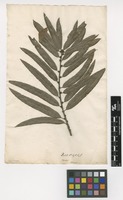
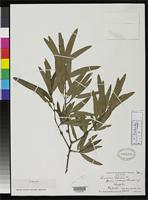
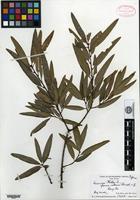
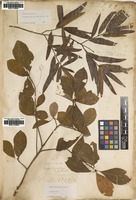
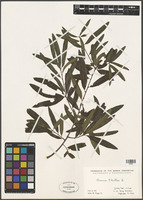
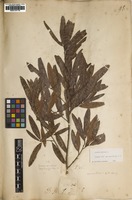
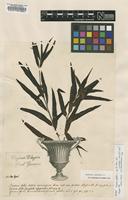
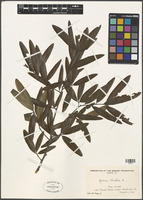
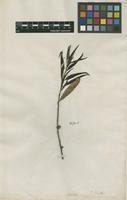
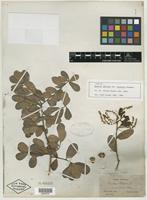
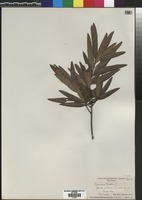
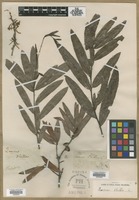
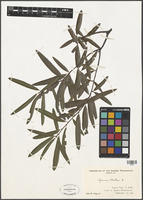
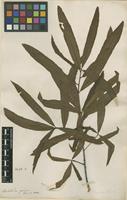
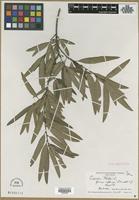
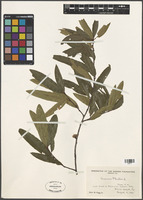
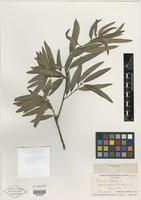
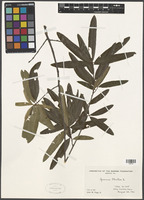
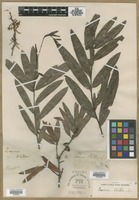
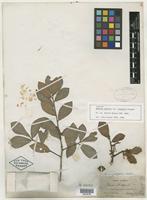
Quercus phellos

27 Images see all

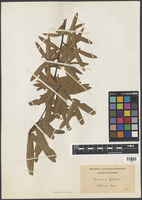
Filed as Quercus phellos L. [family FAGACEAE]
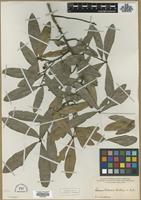
Isotype of Quercus phellos f. intonsa Fernald, M.L. 1942 [family FAGACEAE]
Type of Quercus phellos Linnaeus f. intonsa Fernald [family FAGACEAE]
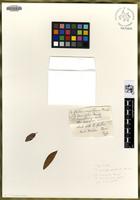
Filed as Quercus phellos L. [family FAGACEAE]
Quercus phellos L. [family FAGACEAE]
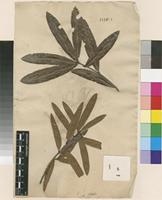
Filed as Quercus phellos L. [family FAGACEAE]
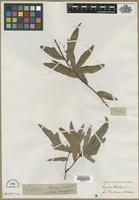
Lectotype of Quercus phellos L. [family FAGACEAE]
Quercus phellos L. [family FAGACEAE]
Type? of Quercus phellos L. [family FAGACEAE]
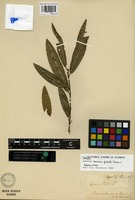
Isotype of Quercus mexicana-glabrata Seem. [family FAGACEAE]
Filed as Quercus bartramii [family FAGACEAE]
Filed as Quercus phellos L. [family FAGACEAE]
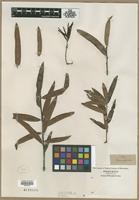
Type of Quercus phellos var. arenaria Chapm. [family FAGACEAE]
Isotype of Quercus phellos L. f. intonsa Fernald [family FAGACEAE]
Filed as Quercus phellos L. [family FAGACEAE]
Quercus phellos L. [family FAGACEAE]
Filed as Quercus phellos L. [family FAGACEAE]
Type of Quercus phellos L. f. intonsa Fernald [family FAGACEAE]
Quercus phellos L. [family FAGACEAE]
Type of Quercus phellos f. intonsa Fernald [family FAGACEAE]
Quercus phellos L. [family FAGACEAE]
Filed as Quercus phellos L. [family FAGACEAE]
Type of Quercus phellos var. arenaria Chapm. [family FAGACEAE]
Quercus phellos L. [family FAGACEAE]
Type of Quercus phellos L. var. maritima Michx. [family FAGACEAE]
Filed as Quercus phellos L. [family FAGACEAE]
Previous
Next

Name

Identification
Quercus phellos L. [family FAGACEAE ] (stored under name); Quercus phellos L. [family FAGACEAE ] Verified by Cornelius Herman (Neil) Muller,
Related name
  • Quercus aquatica
  • Quercus phellos
  • Quercus bartramii
Common name
  • Willow oak, Flora of North America Vol. 3

Flora

Entry for Quercus phellos Linnaeus [family FAGACEAE]
Herbarium
Flora of North America (FNA)
Collection
Flora of North America
Resource Type
Reference Sources
Entry From
Flora of North America, Vol 3,
Names
Quercus phellos Linnaeus [family FAGACEAE], Sp. Pl., 2: 994. 1753
Information
Trees, deciduous, to 30 m. Bark dark gray and smooth, becoming darker and irregularly fissured with age, inner bark light orange. Twigs reddish brown, 1-2 mm diam., glabrous. Terminal buds chestnut brown, ovoid, 2-4 mm, apex acute, glabrous. Leaves: petiole 2-4(-6) mm, glabrous, rarely sparsely hairy. Leaf blade linear to narrowly elliptic, usually widest near middle, 50-120 × 10-25 mm, base acute, margins entire with 1 apical awn, apex acute; surfaces abaxially pale green, glabrous, rarely softly pubescent, adaxially light green, glabrous. Acorns biennial; cup shallowly saucer-shaped, 3-6.5 mm high × 7.5-11 mm wide, covering 1/4-1/3 nut, outer surface puberulent, inner surface light brown, pubescent, scale tips tightly appressed, acute; nut ovoid to hemispheric, 8-12 × 6.5-10 mm, often striate, glabrate, scar diam. 4.5-6 mm.
Phenology
Flowering spring
Altitude range
0-400 m
Distribution
USA Ala.USA Ark.USA Del.USA D.C.USA Fla.USA Ga.USA Ill.USA Ky.USA La.USA Md.USA Miss.USA Mo.USA N.J.USA N.Y.USA N.C.USA Okla.USA Pa.USA S.C.USA Tenn.USA Tex.USA Va.
Discussion
Individual trees with leaves softly pubescent abaxially may be classified as Quercus phellos forma intonsa Fernald; however, such leaves are known to occur on second-flush shoots from twigs bearing typical leaves.
Quercus phellos reportedly hybridizes with Q. coccinea (W. W. Ashe 1894); with Q. ilicifolia (= Q. ×giffordi Trelease) and Q. incana (E. J. Palmer 1948); and with Q. marilandica, Q. nigra, Q. pagoda (= Q. ×ludoviciana Sargent), Q. palustris, Q. rubra, Q. shumardii, and Q. velutina. D. M. Hunt (1989) cited evidence of hybridization also with Q. hemisphaerica, Q. imbricaria, Q. laurifolia, and Q. pumila.

Related Materials

  • Terms and Conditions
  • Privacy Policy
  • Cookie Policy
  • Cookie Settings
  • Accessibility
  • Help
  • Contact Us
  • Facebook
  • Twitter
ITHAKA

JSTOR is part of ITHAKA, a not-for-profit organization helping the academic community use digital technologies to preserve the scholarly record and to advance research and teaching in sustainable ways.

©2000-2026 ITHAKA. All Rights Reserved. JSTOR®, the JSTOR logo, JPASS®, Aluka®, and ITHAKA® are registered trademarks of ITHAKA.

╳