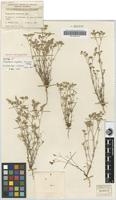
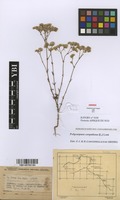
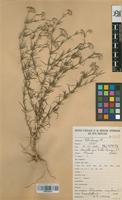
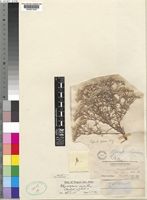
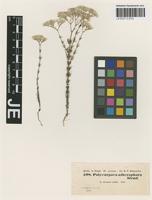
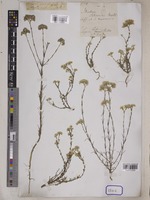
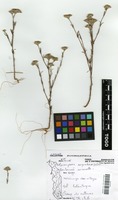
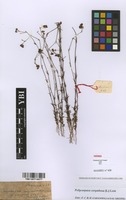
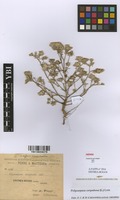
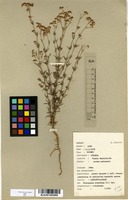
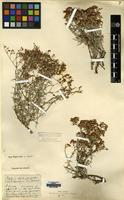
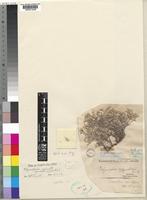
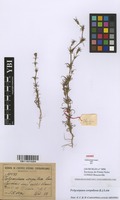
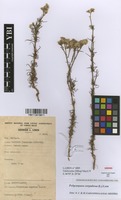
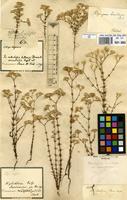
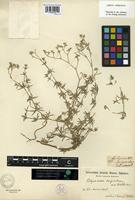
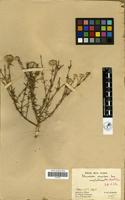
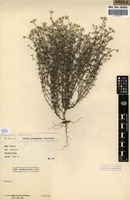
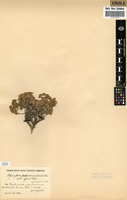
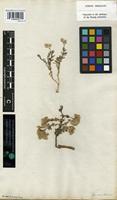
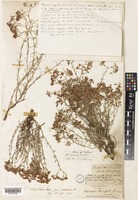
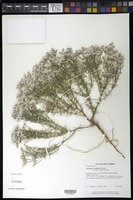
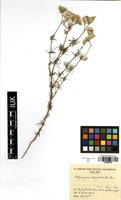
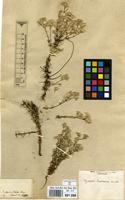
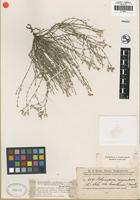
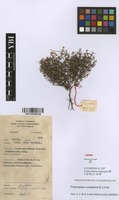
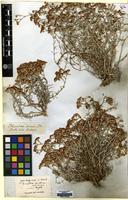
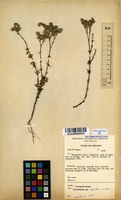
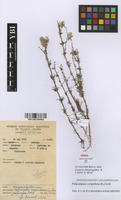
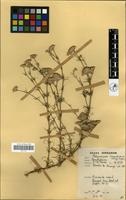
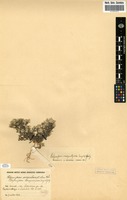
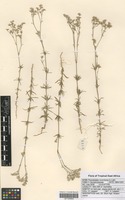
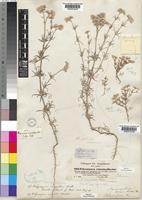
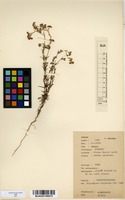
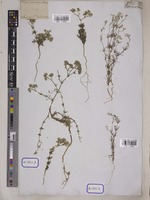
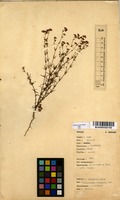
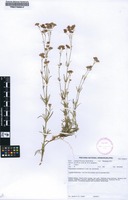
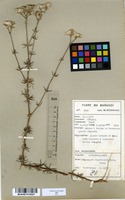
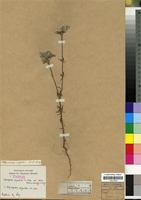
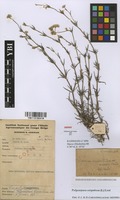
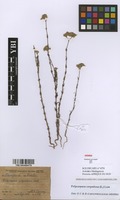
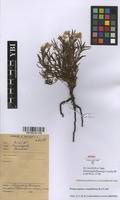
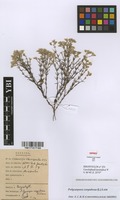
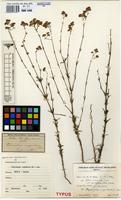
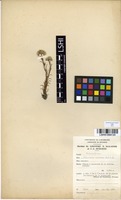
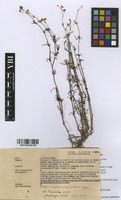
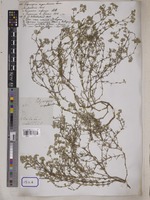
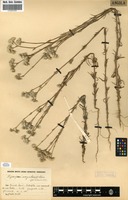
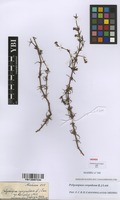
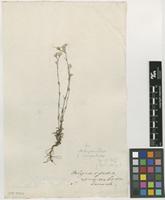
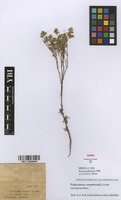
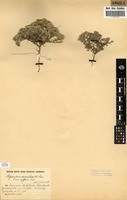
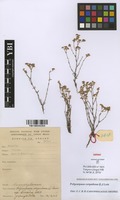
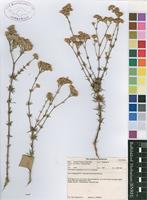
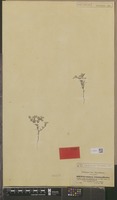
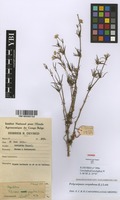
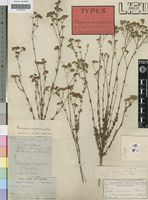
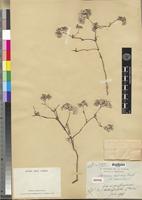
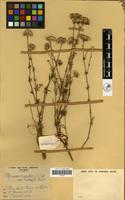
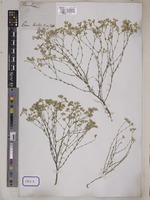
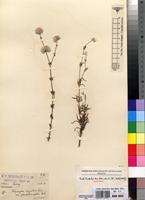
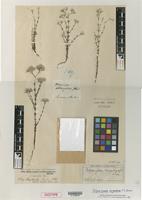
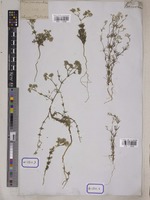
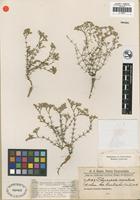
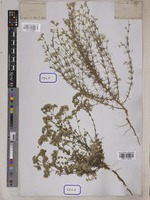
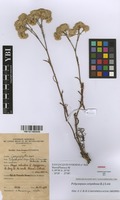
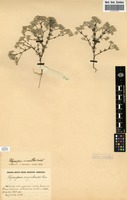
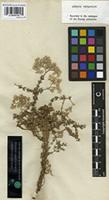
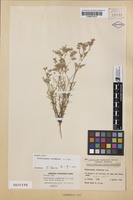
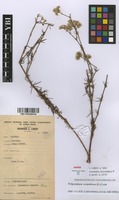
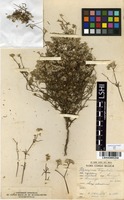
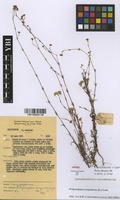
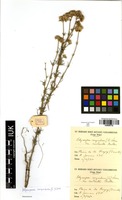
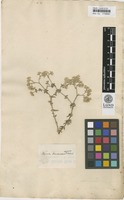
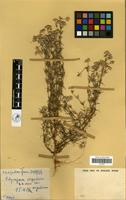
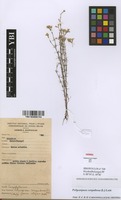
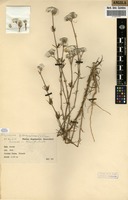
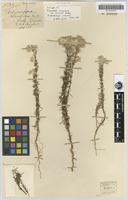
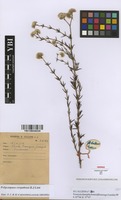
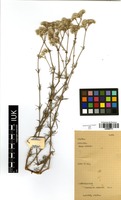
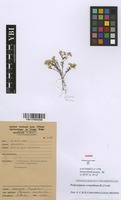
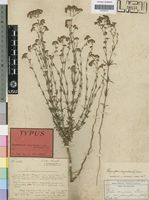
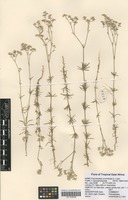
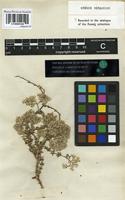
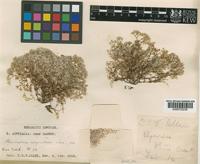
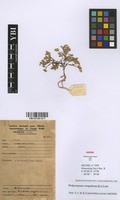
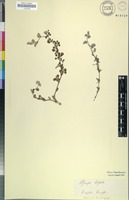
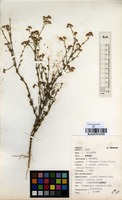
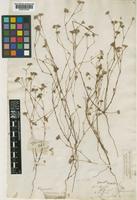
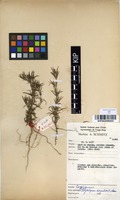
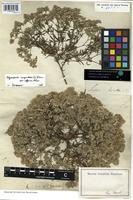
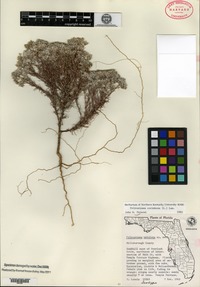
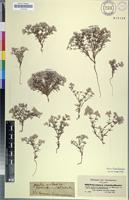
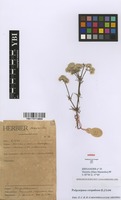
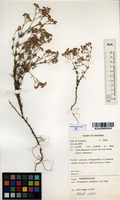
This species, as here accepted, is extremely variable, especially in the size, degree of robustness, and amount of branching of the plants and in the size, number of flowers, and compactness of the inflorescence. The extremes of inflorescence compactness are very striking and probably there are some gene differences involved. On the other hand, there are plants, from tropical Africa, showing every grade between the extremes. On the whole, the most compact and often spherical inflorescences, with no or almost no inflorescence branches visible, are West African. The majority of the specimens from Tropical East Africa have more or less loose inflorescences or, at least, such as are not spherically compact as are the inflorescences of the extreme variants often accepted as P. linearifolia (DC.) DC. Prod. 3: 374 (1828). A few specimens appear to link P. corymbosa with P. linearifolia, if the two be kept as different species. Examples of such intermediates are: UGANDA. Teso District: Serere, Nov.-Dec. 1931, Chandler 92!; West Nile District, Terego, Mar. 1938, Hazel 462!; Imatong Mts., Laboni, 23 Dec. 1925, A. S. Thomas 1748! TANGANYIKA. Shinyanga District: near Shinyanga, 9 Mar. 1933, Bax 21!; Rufiji District: Mafia Island, Adani, 9 Aug. 1937, Greenway 5039! S. Balle (F.C.B. 2: 146–8, 1951), for the Belgian Congo, names and describes three varieties and three forms within P. corymbosa, apparently excluding P. lineari (i)folia (DC.) DC. She acknowledges that these are linked by intermediates and it would appear of doubtful value to give names to slight variants until modern methods of synthetic taxonomy, including cultural and genetical experiments, have been applied to the whole group.