JSTOR Global Plants Home
  • Home
  • Browse
  • About
  • Access
  • Account
    • Saved Items
    • Profile
  • Log in

Global Plants

Skip to Main Content
  • JSTOR Global Plants Home
  • Global Plants

    • Browse
    • About
    • Access
    • Account
      • Saved Items
      • Profile
Log in
  • Browse
  • About
  • Access
  • Account
    • Saved Items
    • Profile
Advanced Search

Compilation
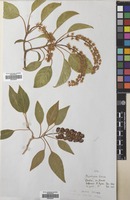
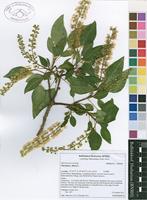
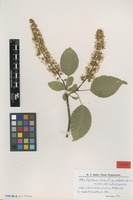
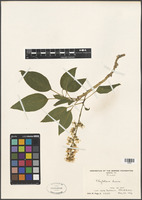
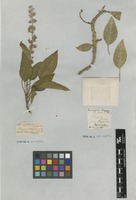
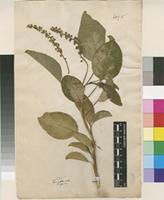
Phytolacca dioica

14 Images see all

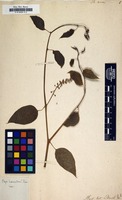
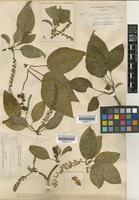
Filed as Phytolacca dioica [family PHYTOLACCACEAE]
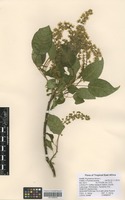
Filed as Phytolacca dioica L. [family PHYTOLACCACEAE]
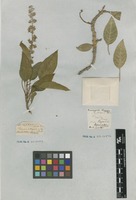
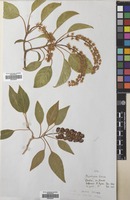
Filed as Phytolacca dioica [family PHYTOLACCACEAE]
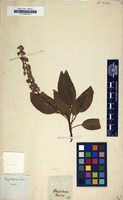
Filed as Phytolacca dioica L. [family PHYTOLACCACEAE]
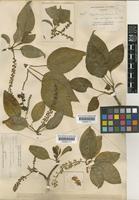
Syntype of Phytolacca dioica L. var. ovatifolia Chodat [family PHYTOLACCACEAE]
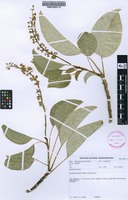
Filed as Phytolacca dioica L. [family PHYTOLACCACEAE]
Phytolacca dioica L. [family PHYTOLACCACEAE]
Filed as Phytolacca dioica L. [family PHYTOLACCACEAE]
Phytolacca dioica L. [family PHYTOLACCACEAE]
Filed as Phytolacca dioica Steud. ex A.Rich. [family PHYTOLACCACEAE]
Filed as Phytolacca dioica L. [family PHYTOLACCACEAE]
Lectotype of Phytolacca dioica L. [family PHYTOLACCACEAE]
Previous
Next

Name

Identification
Phytolacca dioica L. [family PHYTOLACCACEAE ] (stored under name); Verified by Burrows, J.E., 2011
Related name
  • Phytolacca dioica

Flora

Entry for PHYTOLACCA dioica L. [family PHYTOLACCACEAE]
Herbarium
Royal Botanic Gardens, Kew (K)
Collection
Flora of Tropical East Africa
Resource Type
Reference Sources
Entry From
Flora of Tropical East Africa, page 1, (1971) Author: R. M. POLHILL
Names
PHYTOLACCA dioica L. [family PHYTOLACCACEAE], ,
Information
a South American species, has been grown as an ornamental tree at various places in East Africa, e.g. Uganda, Entebbe Botanic Gardens, Chandler 1143 !,Kenya, Marsabit, T. Adamson in E.A.H. 11304!, Nairobi Arboretum, G. R. Williams 329 !, Tanganyika, Morogoro, Wigg 976! Dale, Introd. Trees Ug.: 55 (1953) is rather disparaging of it. Apart from its habit, it may be further distinguished from P. dodecandra by the 20–30 stamens, the broader glabrous sepals, the more marked differentiation of the flowers (the staminodes being quite small or lacking in the ♀ flowers) and the fruits with less divergent carpels.

Related Materials

  • Terms and Conditions
  • Privacy Policy
  • Cookie Policy
  • Cookie Settings
  • Accessibility
  • Help
  • Contact Us
  • Facebook
  • Twitter
ITHAKA

JSTOR is part of ITHAKA, a not-for-profit organization helping the academic community use digital technologies to preserve the scholarly record and to advance research and teaching in sustainable ways.

©2000-2026 ITHAKA. All Rights Reserved. JSTOR®, the JSTOR logo, JPASS®, Aluka®, and ITHAKA® are registered trademarks of ITHAKA.

╳