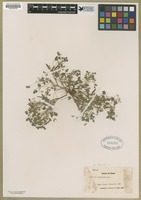
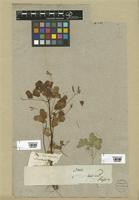
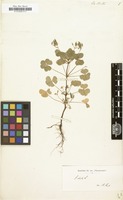
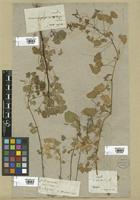
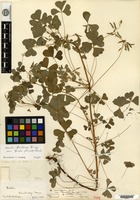
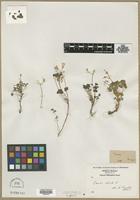
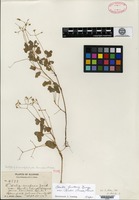
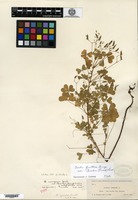
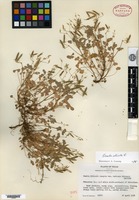
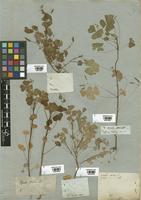
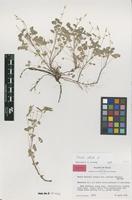
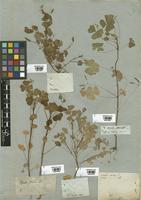
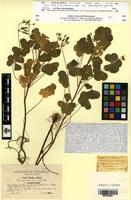
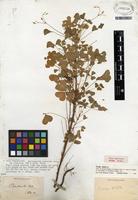
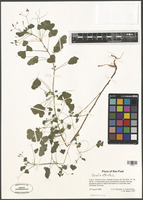
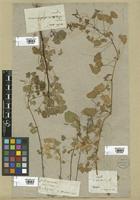
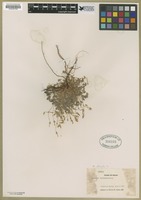
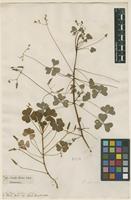
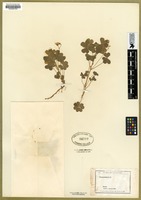
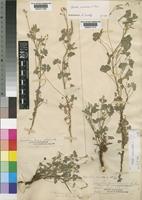
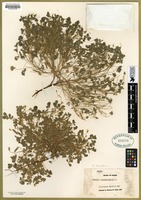
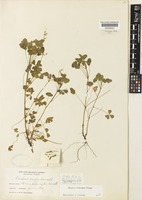
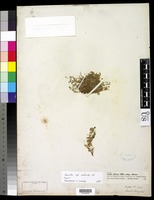
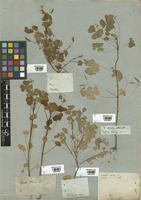
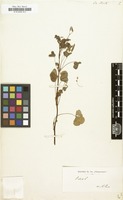
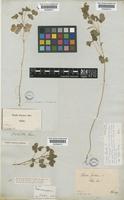
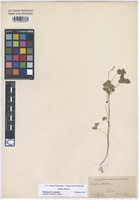
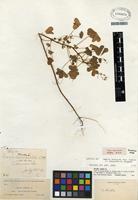
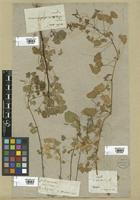
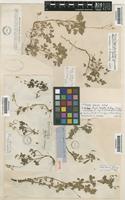
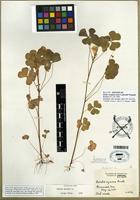
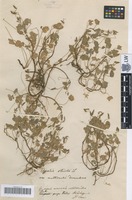
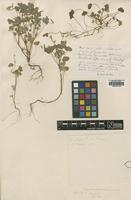
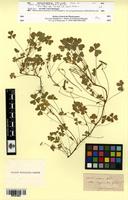
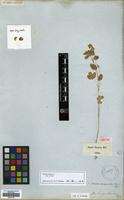
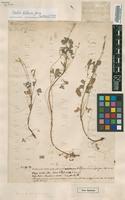
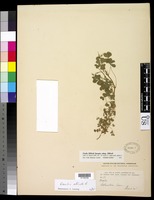
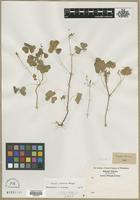
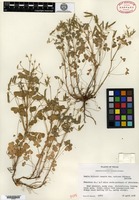
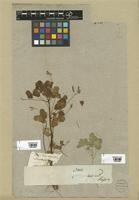
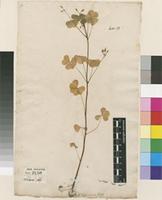
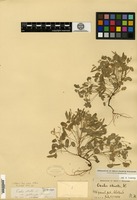
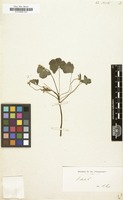
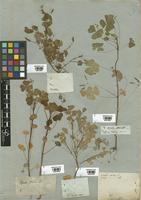
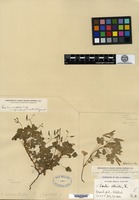
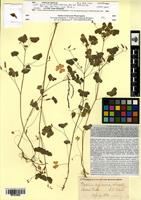
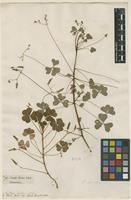
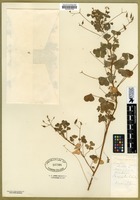
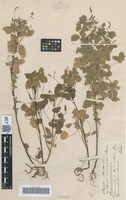
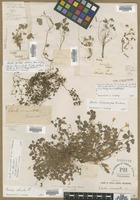
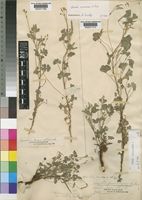
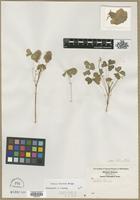
Perennial herb, with usually thin stems arising from a thick tuberous main rootstock 5 mm. or more across. Stems erect or ascending, not rooting at the nodes, somewhat angular, loosely pubescent with spreading hairs, more densely so at the nodes and on young parts. Leaves alternate or rarely fasciculate, very like those of O. corniculata but with no stipules at the base of the petiole; leaflets very variable in size, usually softly hairy on both sides, sparsely so on the upper side, ciliate at margins. Peduncles axillary, usually l–l.5(–2.5) times as long as the subtending petioles; bracts 2–many, variable, linear to oblanceolate, ciliate; pedicels 1–2 cm. long, with short spreading hairs which sometimes appear curly on dry specimens. Sepals linear-lanceolate, up to 5 mm. long, often tinged with purple, softly hairy and ciliate at apex. Petals usually appearing pinkish in bud, sometimes with reddish markings in the throat and greenish-yellow at the base, 10 mm. long or rarely longer, glabrous, sometimes ciliate at the top. Short filaments glabrous or rarely hairy; long filaments glabrous or pilose, as long as the sepals or longer. Styles 5, as long as the long filaments or intermediate in length between the 2 filament whorls or shorter than both whorls (specimens from Moroto), hirsute; stigmas laciniate. Capsule cylindrical, gradually tapering to the persistent styles, 5-lobed, up to 3 cm. long, closely pubescent with hairs usually pointing backwards. Seeds many in each locule, brown, somewhat flattened and transversely ridged. Fig. 1/6.