JSTOR Global Plants Home
  • Home
  • Browse
  • About
  • Access
  • Account
    • Saved Items
    • Profile
  • Log in

Global Plants

Skip to Main Content
  • JSTOR Global Plants Home
  • Global Plants

    • Browse
    • About
    • Access
    • Account
      • Saved Items
      • Profile
Log in
  • Browse
  • About
  • Access
  • Account
    • Saved Items
    • Profile
Advanced Search

Compilation
Neocarya macrophylla

15 Images see all

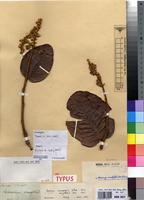
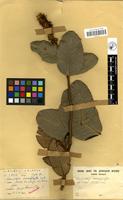
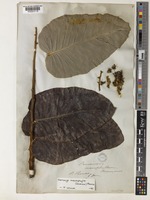
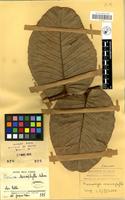
Isotype of Parinari senegalensis Perr. ex DC. [family CHRYSOBALANACEAE]
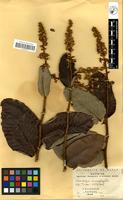
Type of Parinari senegalensis Perr. ex DC. [family CHRYSOBALANACEAE]
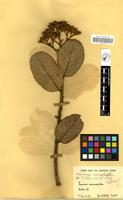
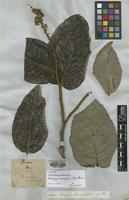
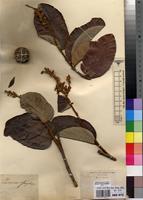
Filed as Neocarya macrophylla (Sabine) Prance ex F.White [family CHRYSOBALANACEAE]
Filed as Neocarya macrophylla (Sabine) Prance [family CHRYSOBALANACEAE]
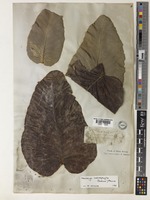
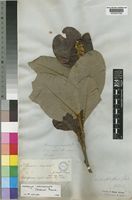
Holotype of Parinarium macrophyllum Br. [family CHRYSOBALANACEAE]
Neocarya macrophylla (Sabine) Prance [family CHRYSOBALANACEAE]
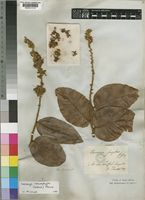
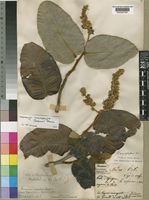
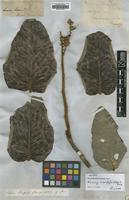
Isotype of Neocarya macrophylla (Sabine) Prance ex F.White [family CHRYSOBALANACEAE]
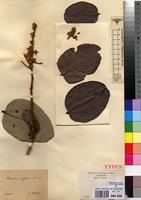
Holotype of Parinarium macrophyllum [Brownmull] [family CHRYSOBALANACEAE]
Neocarya macrophylla (Sabine) Prance [family CHRYSOBALANACEAE]
Isotype of Neocarya macrophylla (Sabine) Prance ex F.White [family CHRYSOBALANACEAE]
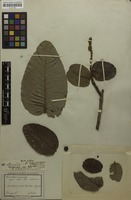
Isotype of Parinari senegalensis Perr. ex DC. [family CHRYSOBALANACEAE]
Filed as Neocarya macrophylla (Sabine) Prance [family CHRYSOBALANACEAE]
Isotype of Parinari senegalensis Perr. ex DC. [family CHRYSOBALANACEAE]
Previous
Next

Name

Identification
Parinari macrophylla Sabine [family CHRYSOBALANACEAE ] Verified by Ghillean Tolmie (Iain) Prance, Isotype of Neocarya macrophylla (Sabine) Prance ex F.White [family CHRYSOBALANACEAE ] (stored under name); Verified by Ghillean Tolmie (Iain) Prance,
Related name
  • Parinari macrophylla
  • Parinari senegalensis
  • Parinarium macrophyllum
  • Neocarya macrophylla
Common name
  • beul (K&A) buel (K&A) (SENEGAL, DIOLA (Efok)), Burkill, H.M. 1985. The useful plants of west tropical Africa, Vol. 1
  • bu ngafay (JB); = hand-climber (DF, The Gambia) (SENEGAL, DIOLA-FLUP), Burkill, H.M. 1985. The useful plants of west tropical Africa, Vol. 1
  • danga (FB) (MALI, MANDING-BAMBARA), Burkill, H.M. 1985. The useful plants of west tropical Africa, Vol. 1
  • gisa (FCD) jσ (FCD) (SIERRA LEONE, VAI), Burkill, H.M. 1985. The useful plants of west tropical Africa, Vol. 1
  • ba (K; K&A) baa (DF) baabu = over-grown fruit (auctt.) ahab (DF) (SENEGAL, DIOLA (Fogny)), Burkill, H.M. 1985. The useful plants of west tropical Africa, Vol. 1
  • bansuma (CHOP) (GUINEA, SUSU), Burkill, H.M. 1985. The useful plants of west tropical Africa, Vol. 1
  • naawdi (pl. naawde) the fruit (MM) nawarre the tree (JMD; KO&S) node(l) the fruit (JMD) (NIGERIA, FULA-FULFULDE (Nigeria)), Burkill, H.M. 1985. The useful plants of west tropical Africa, Vol. 1
  • nya (Lynn; FRI) (GHANA, NANKANNI), Burkill, H.M. 1985. The useful plants of west tropical Africa, Vol. 1
  • bahab (AS; FB) bel (auctt.) bu ba (JB) bumafaye (Aub.); = sucking (DF, The Gambia) (SENEGAL, DIOLA), Burkill, H.M. 1985. The useful plants of west tropical Africa, Vol. 1
  • tamba tambakumbaa (indef. and def.) (SENEGAL, MANDINKA), Burkill, H.M. 1985. The useful plants of west tropical Africa, Vol. 1
  • baa, bahab, baabou over-grown fruit (DF) bahab (AS) bel (AS) (THE GAMBIA, DIOLA (Fogny)), Burkill, H.M. 1985. The useful plants of west tropical Africa, Vol. 1
  • gámsà (pl. -à) (D&C) (NIGER, SONGHAI), Burkill, H.M. 1985. The useful plants of west tropical Africa, Vol. 1
  • gi-núnú (Ferry) (SENEGAL, BEDIK), Burkill, H.M. 1985. The useful plants of west tropical Africa, Vol. 1
  • bεnjamin (FCD; S&F) (SIERRA LEONE, KRIO), Burkill, H.M. 1985. The useful plants of west tropical Africa, Vol. 1
  • kóbenci the fruit (Banfield) pútú (Banfield; KO&S) pútú yiwó ‘female’ (Banfield) pútú’bá ‘male’ (Banfield) (NIGERIA, NUPE), Burkill, H.M. 1985. The useful plants of west tropical Africa, Vol. 1
  • bénô bénô (JDES) bitiague (JDES) menau (JDES) (GUINEA-BISSAU, MANKANYA), Burkill, H.M. 1985. The useful plants of west tropical Africa, Vol. 1
  • pomme (pommier) du Cayor (apple, or apple tree of Cayor)., Burkill, H.M. 1985. The useful plants of west tropical Africa, Vol. 1
  • daf (auctt.) idaf (K; K&A) (SENEGAL, SERER), Burkill, H.M. 1985. The useful plants of west tropical Africa, Vol. 1
  • Gambia) kura-bansuma(-i) (DRR; DAP) naude (JMD; DAP) (THE GAMBIA, FULA-PULAAR (The), Burkill, H.M. 1985. The useful plants of west tropical Africa, Vol. 1
  • mampataz (GeS; JMD) mampataz grande (EPdS) (GUINEA-BISSAU, CRIOULO), Burkill, H.M. 1985. The useful plants of west tropical Africa, Vol. 1
  • tifi (Barker) (LIBERIA, KRU-BASA), Burkill, H.M. 1985. The useful plants of west tropical Africa, Vol. 1
  • makalonkalσ (Glanville; FCD) (SIERRA LEONE, LIMBA), Burkill, H.M. 1985. The useful plants of west tropical Africa, Vol. 1
  • (Guinea-Bissau) cura-bussuma (JDES) curanaco (EPdS) nando (EPdS) naudo (JDES) tambacumba (GeS; RdoF) (GUINEA-BISSAU, FULA-PULAAR), Burkill, H.M. 1985. The useful plants of west tropical Africa, Vol. 1
  • néo (auctt.) néu (K; K&A) (SENEGAL, WOLOF), Burkill, H.M. 1985. The useful plants of west tropical Africa, Vol. 1
  • kisin-dε (FCD; S&F) (SIERRA LEONE, BULOM (Sherbro)), Burkill, H.M. 1985. The useful plants of west tropical Africa, Vol. 1
  • naodé (K; K&A) neudi (K; K&A) (SENEGAL, FULA-PULAAR (Senegal)), Burkill, H.M. 1985. The useful plants of west tropical Africa, Vol. 1
  • danga (Aub.) tétu (Vuillet) vo (JB) wo (K&A) (SENEGAL, MANDING-BAMBARA), Burkill, H.M. 1985. The useful plants of west tropical Africa, Vol. 1
  • gaosa (Aub.) (NIGER, HAUSA), Burkill, H.M. 1985. The useful plants of west tropical Africa, Vol. 1
  • (‘Kwaatay’) nuhuntan (K&A) (SENEGAL, DIOLA), Burkill, H.M. 1985. The useful plants of west tropical Africa, Vol. 1
  • kifokum (K&A) (SENEGAL, BANYUN), Burkill, H.M. 1985. The useful plants of west tropical Africa, Vol. 1
  • neong néu (JMD; FD) (THE GAMBIA, WOLOF), Burkill, H.M. 1985. The useful plants of west tropical Africa, Vol. 1
  • bakar rura (RES) gàwàsaá (auctt.) (NIGERIA, HAUSA), Burkill, H.M. 1985. The useful plants of west tropical Africa, Vol. 1
  • bénô bénô (JDES) bitiague (JDES) menau (JDES) (GUINEA-BISSAU, MANDYAK), Burkill, H.M. 1985. The useful plants of west tropical Africa, Vol. 1
  • néo tambacumba (JDES) (GUINEA-BISSAU, MANDING-MANDINKA), Burkill, H.M. 1985. The useful plants of west tropical Africa, Vol. 1
  • tambaa (indef. and def.) (auctt.) tamba-kumbaa (indef. and def.) = big headed ‘tamba’ (DF) (THE GAMBIA, MANDING-MANDINKA), Burkill, H.M. 1985. The useful plants of west tropical Africa, Vol. 1
  • a-núnú (Ferry) (SENEGAL, BASARI), Burkill, H.M. 1985. The useful plants of west tropical Africa, Vol. 1
  • tamba (JMD) (SIERRA LEONE, MANDING-MANDINKA), Burkill, H.M. 1985. The useful plants of west tropical Africa, Vol. 1
  • kobira-fire (FCD) tamui (FCD) (SIERRA LEONE, SUSU), Burkill, H.M. 1985. The useful plants of west tropical Africa, Vol. 1
  • nórònóròdó (JDES) nororodo (EPdS) orodjô (JDES) (GUINEA-BISSAU, BIDYOGO), Burkill, H.M. 1985. The useful plants of west tropical Africa, Vol. 1
  • bunou (auctt.) (SENEGAL, MANDYAK), Burkill, H.M. 1985. The useful plants of west tropical Africa, Vol. 1
  • kura-bansuma (CHOP) neudi (Aub.) niamui (Aub.) (GUINEA, FULA-PULAAR (Guinea)), Burkill, H.M. 1985. The useful plants of west tropical Africa, Vol. 1
  • fé (Aub.; FB) (SENEGAL, BALANTA), Burkill, H.M. 1985. The useful plants of west tropical Africa, Vol. 1
  • gingerbread plum; neou oil tree; the fruit: ginger plum (Sierra Leone, Deighton); ‘rotten plum’ (locally, Dalziel)., Burkill, H.M. 1985. The useful plants of west tropical Africa, Vol. 1
  • foni-lawa (def.-lawei) (FCD; S&F) gise, gisini (def.-i) (auctt.) ndawa (JMD) (SIERRA LEONE, MENDE), Burkill, H.M. 1985. The useful plants of west tropical Africa, Vol. 1
  • ferah (JMD; Aub.) néva (AS; Aub.) nif (AS; Aub.) (SENEGAL, SERER-NON), Burkill, H.M. 1985. The useful plants of west tropical Africa, Vol. 1
  • n-bute (JDES) n-djapô (JDES) n-japo (EPdS) téhé (JDES) umbatú (JDES) undjapô (JDES) (GUINEA-BISSAU, BALANTA), Burkill, H.M. 1985. The useful plants of west tropical Africa, Vol. 1
  • néu (K&B) (IVORY COAST, VULGAR), Burkill, H.M. 1985. The useful plants of west tropical Africa, Vol. 1

Information

Entry for Neocarya macrophylla (Sab.) Prance [family CHRYSOBALANACEAE]
Herbarium
Royal Botanic Gardens, Kew (K)
Collection
Useful Plants of West Tropical Africa
Resource Type
Reference Sources
Entry From
Burkill, H.M. 1985. The useful plants of west tropical Africa, Vol 1
Names
Neocarya macrophylla (Sab.) Prance [family CHRYSOBALANACEAE]
Parinari macrophylla Sab. [family CHRYSOBALANACEAE]
Common names
English gingerbread plum; neou oil tree; the fruit: ginger plum (Sierra Leone, Deighton); ‘rotten plum’ (locally, Dalziel). French pomme (pommier) du Cayor (apple, or apple tree of Cayor). SENEGAL: BALANTA fé (Aub.; FB) BANYUN kifokum (K&A) BASARI a-núnú (Ferry) BEDIK gi-núnú (Ferry) DIOLA bahab (AS; FB) bel (auctt.) bu ba (JB) bumafaye (Aub.); = sucking (DF, The Gambia) DIOLA (Efok) beul (K&A) buel (K&A) DIOLA (Fogny) ba (K; K&A) baa (DF) baabu = over-grown fruit (auctt.) ahab (DF) DIOLA (‘Kwaatay’) nuhuntan (K&A) DIOLA-FLUP bu ngafay (JB); = hand-climber (DF, The Gambia) FULA-PULAAR (Senegal) naodé (K; K&A) neudi (K; K&A) MANDING-BAMBARA danga (Aub.) tétu (Vuillet) vo (JB) wo (K&A) MANDINKA tamba tambakumbaa (indef. and def.) MANDYAK bunou (auctt.) SERER daf (auctt.) idaf (K; K&A) SERER-NON ferah (JMD; Aub.) néva (AS; Aub.) nif (AS; Aub.) WOLOF néo (auctt.) néu (K; K&A) THE GAMBIA: DIOLA (Fogny) baa, bahab, baabou over-grown fruit (DF) bahab (AS) bel (AS) FULA-PULAAR (The Gambia) kura-bansuma(-i) (DRR; DAP) naude (JMD; DAP) MANDING-MANDINKA tambaa (indef. and def.) (auctt.) tamba-kumbaa (indef. and def.) = big headed ‘tamba’ (DF) WOLOF neong néu (JMD; FD) GUINEA-BISSAU: BALANTA n-bute (JDES) n-djapô (JDES) n-japo (EPdS) téhé (JDES) umbatú (JDES) undjapô (JDES) BIDYOGO nórònóròdó (JDES) nororodo (EPdS) orodjô (JDES) CRIOULO mampataz (GeS; JMD) mampataz grande (EPdS) FULA-PULAAR (Guinea-Bissau) cura-bussuma (JDES) curanaco (EPdS) nando (EPdS) naudo (JDES) tambacumba (GeS; RdoF) MANDING-MANDINKA néo tambacumba (JDES) MANDYAK bénô bénô (JDES) bitiague (JDES) menau (JDES) MANKANYA bénô bénô (JDES) bitiague (JDES) menau (JDES) GUINEA: FULA-PULAAR (Guinea) kura-bansuma (CHOP) neudi (Aub.) niamui (Aub.) SUSU bansuma (CHOP) SIERRA LEONE: BULOM (Sherbro) kisin-dε (FCD; S&F) KRIO bεnjamin (FCD; S&F) LIMBA makalonkalσ (Glanville; FCD) MANDING-MANDINKA tamba (JMD) MENDE foni-lawa (def.-lawei) (FCD; S&F) gise, gisini (def.-i) (auctt.) ndawa (JMD) SUSU kobira-fire (FCD) tamui (FCD) VAI gisa (FCD) jσ (FCD) LIBERIA: KRU-BASA tifi (Barker) MALI: MANDING-BAMBARA danga (FB) IVORY COAST: VULGAR néu (K&B) GHANA: NANKANNI nya (Lynn; FRI) NIGER: HAUSA gaosa (Aub.) SONGHAI gámsà (pl. -à) (D&C) NIGERIA: FULA-FULFULDE (Nigeria) naawdi (pl. naawde) the fruit (MM) nawarre the tree (JMD; KO&S) node(l) the fruit (JMD) HAUSA bakar rura (RES) gàwàsaá (auctt.) NUPE kóbenci the fruit (Banfield) pútú (Banfield; KO&S) pútú yiwó ‘female’ (Banfield) pútú’bá ‘male’ (Banfield)
Uses
fruit kernel Food: general root-bark Medicines: generally healing leaf bark root fruit Medicines: pain-killers bark Medicines: eye treatments leaf bark Medicines: pulmonary troubles fruit Medicines: diarrhoea, dysentery endocarp hairs Medicines: vermifuges root Medicines: antidotes (venomous stings, bites, etc.) seed-endocarp Phytochemistry: soap and substitutes kernel Phytochemistry: fatty acids, etc. kernel-oil Phytochemistry: aromatic substances wood Products: building materials fruit-endocarp Products: exudations-gums, resins, etc. wood endocarp hair Products: fuel and lighting Social: religion, superstitions, magic Social: sayings, aphorisms
Description
A tree to 10 m high, often less, of disjuncted distribution, along the coastal strip from Senegal to Liberia to 300 km inland in sandy localities, and secondly 700–1,000 km inland Mali to Niger and N Nigeria on banks of sandy seasonal watercourses and on sandstone cliffs, conjecturally a relic vegetation from an earlier wetter climate (22).The tree appears to survive annual firing in savanna and in northern Sierra Leone it is often the only tree of any stature attaining double the normal height to 20 m, with girth of 1.30 m (21).The wood is light brown and fairly hard. It works and polishes well and is suitable for planks and building timber (5, 13). The Nankanni of Ghana use the wood for making canoes (Lynn fide 12). In Liberia it serves to produce charcoal (2), and firewood in The Gambia (20).A decoction of the bark, leaves or dried fruit pulp is much used over the Region as a gargle-cum-mouthwash for toothache (5, 12; Senegal, 14–17). The leaves may also be chewed (5), or applied topically (15) for the same end. A decoction of bark or leaves is taken internally for respiratory troubles, and a lotion made from the macerated bark is instilled into the eyes for inflammation (5). In The Gambia powdered bark is used in application over deep-seated pain (23).In Senegal (Casamance) the powdered root in a water decoction is used as a gargle against toothache and the root-bark is considered haemostatic and cicitrisant on wounds, especially by the Banyun and Efok in circumcision (14–17). In Cayor (Senegal) the powdered root is taken with fuf (Wolof, Securidaca longepedunculata Fres., Polygalaceae) as a poison-antidote (14, 17). The root has unspecified medicinal use in The Gambia (10).The fruit is ellipsoid about 5 cm long. Before maturity fishermen in Senegal obtain a sticky substance from it for smearing on their tackle and to stop cracks in leaking pots (Sébire fide 5). The endocarp is surrounded by a soft mealy pulp that is edible and evokes the name ‘rotten plum’ (5). The pulp is everywhere eaten but it is not ubiquitously favoured, perhaps on account of flavour, perhaps because other choicer fruits are in season. In The Gambia it is not so much appreciated as is the closely related mampato fruit (Mandinka, Parinari excelsa) (6). Nor is it liked by the Limba of northern Sierra Leone (7). Yet in Guinea-Bissau it is said to be much liked (11), and farmers in Casamance (Senegal) clearing the bush retain the tree for the sake of its fruit: thus the tree enters into a form of semi-cultivation (1). In Sokoto market in N Nigeria the fruit is said to be available all the year round (19). In parts of Senegal a fruit-decoction is taken against diarrhoea (14, 17).The endocarp bears within it a layer of hairs which can be used for tinder (5). A similar tinder occurs in other African species, and also in an Indo-Chinese species (3). The hairs are also held to be anthelmintic in children. In Ivory Coast, because they tend to stick in the gullet, the hairs are administered with a ripe banana taken first thing in the morning on an empty stomach (18). In Guinea the endocarp is sold in markets as sikuni (Susu) as a vermifuge for taking with milk or better still with a banana. In Konakry Government hospital tests conducted showed evidence of affectiveness against helminths (14, 18). In this treatment the endocarpic hairs were placed in capsules for ease of swallowing. The hairs have been shown to contain ceryl palmitate. See also Bafodeya benna.The kernel is edible. It is the source of neou oil which takes its name from the Wolof vernacular. It is an excellent drying oil and is composed of oleic acid 40%, eleostearic acid 31 %, linoleic acid 15%, palmitic acid 12% and stearic acid 2% (4, 9). The kernel also contains some protein and two phytosterols: parincerium sterol A and B (18). Neou oil finds local use in Sierra Leone mixed with palm-oil as a pleasant-smelling body-unguent (7). The fruit-rind is also similarly used (5). The ratio of the endocarp to the kernel is about 85: 15%. The kernel has been recorded as containing 62% oil, while 9% has been found in the endocarp (14). The nut is burnt to ash in The Gambia (23), and in Sierra Leone (8) for making soap.The plant has superstitious usage in Senegal. In parts the root enters into a charm against bad luck (14), and branches are placed before new huts about to be occupied for the first time as a fetish to bring good luck (16). The Wolof endow the roots with power to relieve one possessed or tormented by Shades of the Departed (17).
References
References:1. Aubréville, 1950: 205, as Parinari macrophylla Sab. 2. Barker 1242, K. 3. Burkill, 1935: 1666, P. annanense. 4. Busson, 1965: 220, as P. macrophylla Sab. 5. Dalziel, 1937. 6. Dawe 21, K. 7. Deighton 2492, K. 8. Deighton 5302, K. 9. Eckey, 1954: 472, as Parinarium macrophyllum. 10. Fox 82, K. 11. Gomes e Sousa, 1930: 69, as Parinarium macrophyllum Sabine. 12. Irvine, 1961: 265, as P. macrophylla Sab. 13. Keay et al., 1960: 317, as P. macrophylla Sabine. 14. Kerharo, 1966: 78–79, as P. macrophylla. 15. Kerharo & Adam, 1962: as P. macrophylla Sab. 16. Kerharo & Adam, 1963, b: as P. macrophylla Sab. 17. Kerharo & Adam, 1974: 680–2 as P. macrophylla Sab., with phytochemistry and pharmacology. 18. Kerharo & Bouquet, 1950: 90, as P. macrophyllum Sab. with references. 19. Lely 804, K. 20. Rosevear, 1961, as P. macrophylla. 21. Savill & Fox, 1967, 216, as P. macrophylla Sabine. 22. White, 1976: 308–10. 23. Williams, F. N., 1907: 96, as P. macrophyllum Sabine.
Contributor
Royal Botanic Gardens, Kew (K)

Related Materials

  • Terms and Conditions
  • Privacy Policy
  • Cookie Policy
  • Cookie Settings
  • Accessibility
  • Help
  • Contact Us
  • Facebook
  • Twitter
ITHAKA

JSTOR is part of ITHAKA, a not-for-profit organization helping the academic community use digital technologies to preserve the scholarly record and to advance research and teaching in sustainable ways.

©2000-2026 ITHAKA. All Rights Reserved. JSTOR®, the JSTOR logo, JPASS®, Aluka®, and ITHAKA® are registered trademarks of ITHAKA.

╳