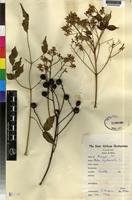
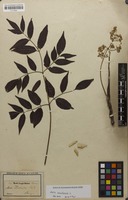
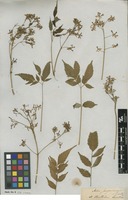
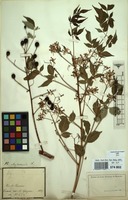
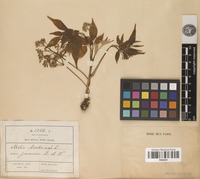
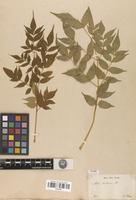
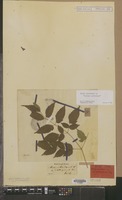
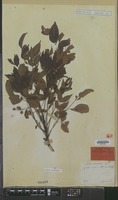
Entry From
Flora of South Africa, (2003) Author: Dr J.P. Roux
Habitat
The fruit of Melia has long been known to be poisoÂnous to some animals including the pig, and the deaths of children have been reported. Four highly toxic meliatoxins (a group of limonoids) have,recently been discovered in the fruit flesh. Fully ripe fruit, however, appears to be much less toxic than fruit just beginning to ripen. The endocarp of the fruits, which are easily pierced at the ends, are used for beads.
Use
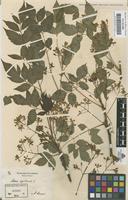
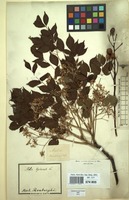
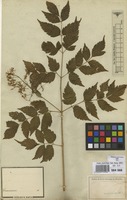
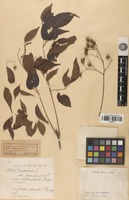
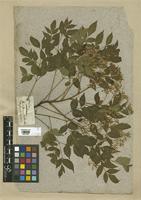
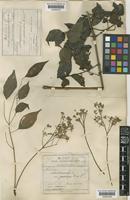
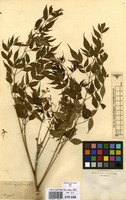
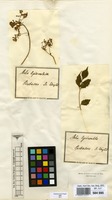
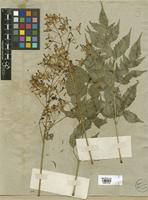
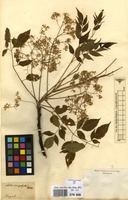
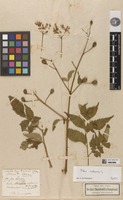
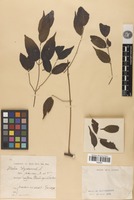
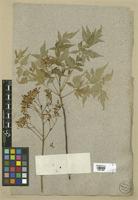
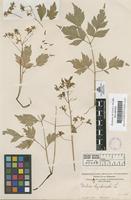
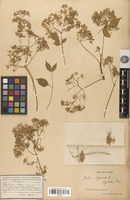
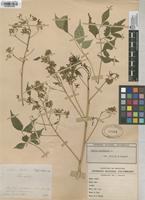
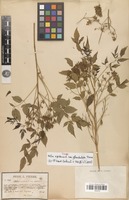
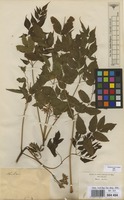
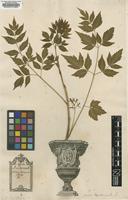
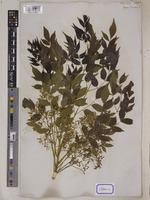
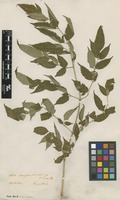
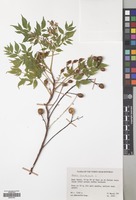
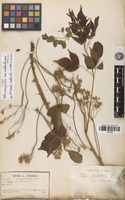
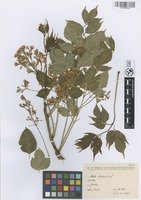
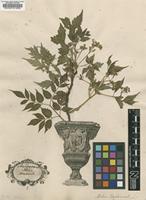
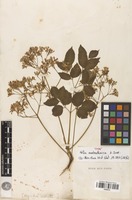
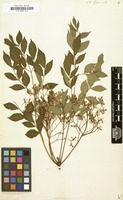
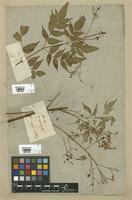
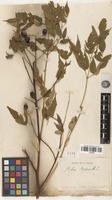
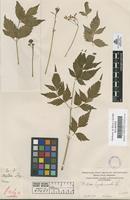
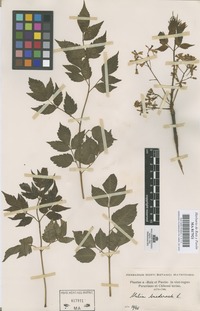
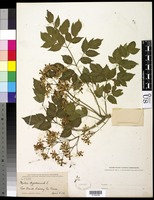
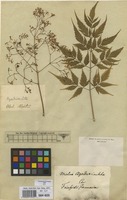
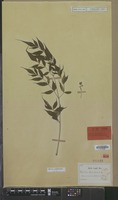
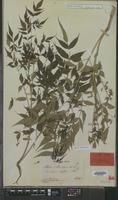
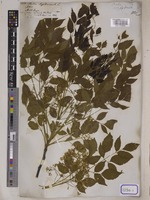
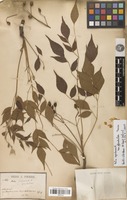
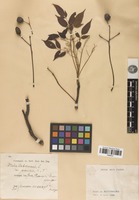
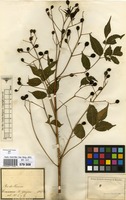
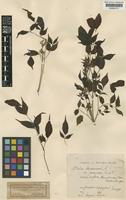
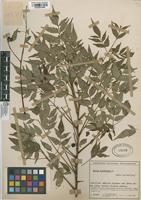
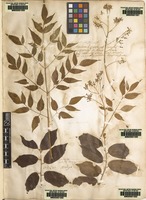
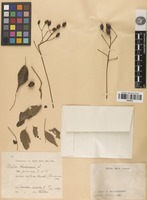
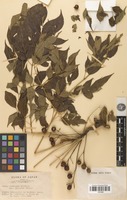
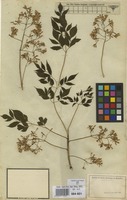
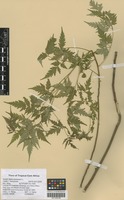
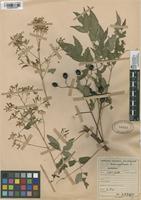
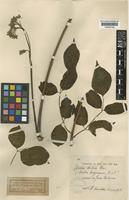
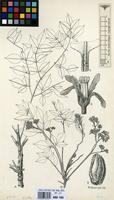
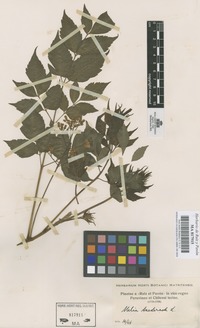
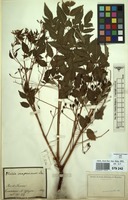
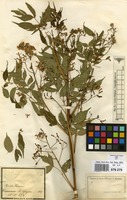
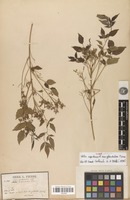
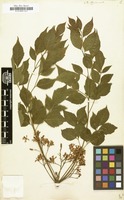
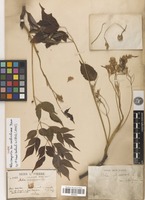
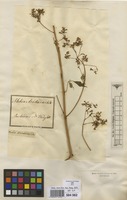
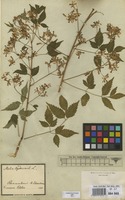
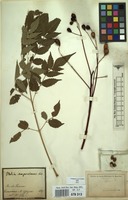
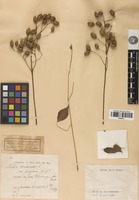
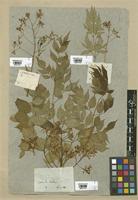
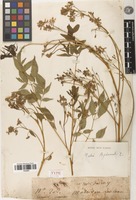
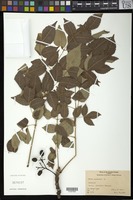
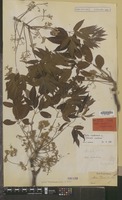
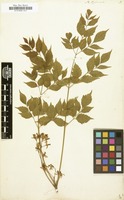
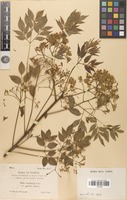
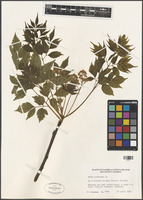
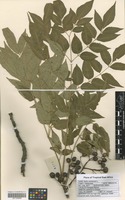
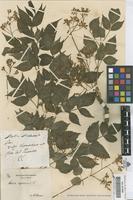
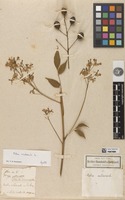
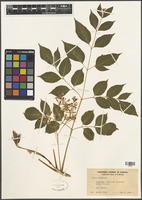
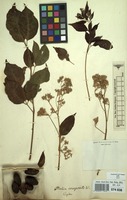
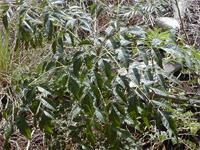
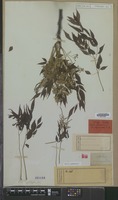
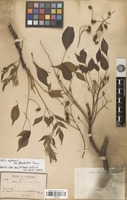
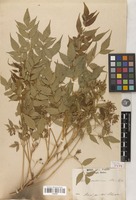
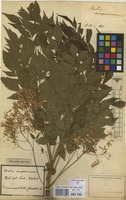
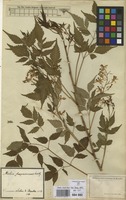
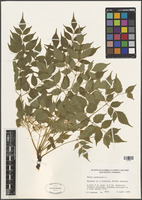
Melia azedarach L., Sp. PI. 1: 384 (1753); Curtis's bot. Mag. 27, fig. 1066 (1807); Sond. in F.C. 1: 246 (1860); C. DC. in Monogr. Phan. 1: 451 (1878); Burtt Davy, Fl. Transv. 2:486 (1932); O. B. Miller in Jl S. Afr. Bot. 18: 39 (1952); White & Styles in F.Z. 2: 315 (1963); Ross, Fl. Natal 216 (1972); MabÂberley in Gdns' Bull., Singapore 37: 55 (1984). Type: Holland, De Hartecamp, cult. Hort. Cliff. 161.1 (BM, lecto. of Mabberley, 1984).
Range
Widely planted for ornament in all the warmer parts of southern Africa. In places it is naturalized and has become a pest. As early as 1906 it was established near Barberton, and now, in the Transvaal, it is the most widespread and agressive of the invasive introduced trees. The cultivar 'Umbraculifera', the Texas Umbrella Tree, a mutant with a flattened crown, is sometimes grown in gardens. Map 39.