JSTOR Global Plants Home
  • Home
  • Browse
  • About
  • Access
  • Account
    • Saved Items
    • Profile
  • Log in

Global Plants

Skip to Main Content
  • JSTOR Global Plants Home
  • Global Plants

    • Browse
    • About
    • Access
    • Account
      • Saved Items
      • Profile
Log in
  • Browse
  • About
  • Access
  • Account
    • Saved Items
    • Profile
Advanced Search

Compilation
Lithophragma parviflorum

8 Images see all

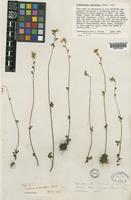
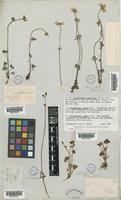
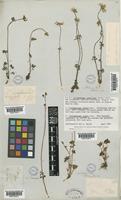
Lectotype of Tellima grandiflora (Pursh) Douglas ex Lindl. [family SAXIFRAGACEAE]
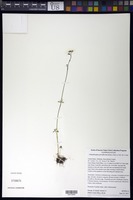
Lithophragma parviflorum (Hook.) Nutt. [family SAXIFRAGACEAE]
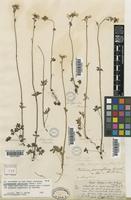
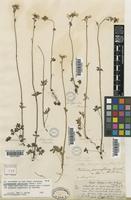
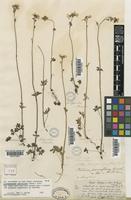
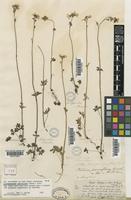
Isotype of Lithophragma parviflorum (Hook.) Nutt. [family SAXIFRAGACEAE]
Lithophragma glabrum Nutt. [family SAXIFRAGACEAE]
Lithophragma parviflorum (Hook.) Nutt. [family SAXIFRAGACEAE]
Previous
Next

Name

Identification
Isotype of Lithophragma parviflorum (Hook.) Nutt. [family SAXIFRAGACEAE ] (stored under name);
Related name
  • Lithophragma parviflorum
  • Tellima grandiflora
  • Lithophragma glabrum
Common name
  • Smallflower woodland star, Flora of North America Vol. 8

Flora

Entry for Lithophragma trifoliatum Eastwood [family SAXIFRAGACEAE]
Herbarium
Flora of North America (FNA)
Collection
Flora of North America
Resource Type
Reference Sources
Entry From
Flora of North America, Vol 8,
Names
Lithophragma trifoliatum Eastwood [family SAXIFRAGACEAE], Bull. Torrey Bot. Club, 32: 200. 1905 (as trifoliata),
Lithophragma parviflorum (Hooker) Nuttall ex Torrey & A. Gray var. trifoliatum (Eastwood) Jepson [family SAXIFRAGACEAE]
Treatment Author(s)
Roy L. Taylor
Information
Plants slender. Flowering stems simple, 20–50 cm. Leaves in basal rosette and cauline, basal digitately 3-lobed, segments again lobed, cauline (2–3), 3-foliolate or deeply lobed, reduced, similar to basal (except lobes longer); stipules large, decurrent on petiole base; petiole to 11 cm; blade dark green or reddish green, orbiculate, (base hastate), surfaces densely hairy. Inflorescences usually 1, (lax), nodding, 4–8-flowered racemes, simple. Pedicels not exceeding length of hypanthium. Flowers deciduous if unfertilized, fragrant, horizontal; hypanthium elongate-obconic, elongating in fruit, abruptly expanding, open at throat, (9–11 mm, length 3–4 times diam.); sepals erect, triangular; petals widely spreading, pink, obovate-rhombic, narrowly clawed, 3-lobed, 4–14 mm, ultimate margins entire; ovary 1/2+ to ± entirely inferior; styles included in fruit; stigma papillae in narrow subapical band. Seeds 0.6–0.7 mm, smooth or wrinkled. 2n = 28.
Phenology
Flowering Mar–May
Altitude range
40–700 m
Distribution
USA Calif.
Discussion
Lithophragma trifoliatum is known from the western slope of the Cascade Range and Sierra Nevada in California. It is closely related to L. parviflorum and was considered a variety by P. E. Elvander (1993). The shape of the hypanthium, the fragrant flowers, the relatively large pink petals, and the relatively large seeds are distinctive. Lithophragma trifoliatum rarely produces seed; in cultivation, self-pollination was unsuccessful (R. L. Taylor 1965). It may represent a sterile derivative of L. parviflorum that now persists by vegetative reproduction.

Related Materials

  • Terms and Conditions
  • Privacy Policy
  • Cookie Policy
  • Cookie Settings
  • Accessibility
  • Help
  • Contact Us
  • Facebook
  • Twitter
ITHAKA

JSTOR is part of ITHAKA, a not-for-profit organization helping the academic community use digital technologies to preserve the scholarly record and to advance research and teaching in sustainable ways.

©2000-2026 ITHAKA. All Rights Reserved. JSTOR®, the JSTOR logo, JPASS®, Aluka®, and ITHAKA® are registered trademarks of ITHAKA.

╳