JSTOR Global Plants Home
  • Home
  • Browse
  • About
  • Access
  • Account
    • Saved Items
    • Profile
  • Log in

Global Plants

Skip to Main Content
  • JSTOR Global Plants Home
  • Global Plants

    • Browse
    • About
    • Access
    • Account
      • Saved Items
      • Profile
Log in
  • Browse
  • About
  • Access
  • Account
    • Saved Items
    • Profile
Advanced Search

Compilation
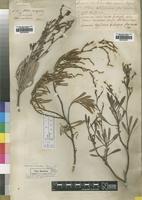
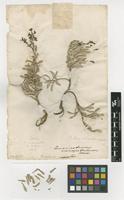
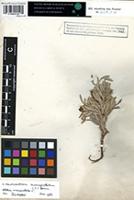
Limoniastrum monopetalum

4 Images see all

Filed as Limoniastrum monopetalum (L.) Boiss. [family PLUMBAGINACEAE]
Type of Limonium siculum Mill. [family PLUMBAGINACEAE]
Previous
Next

Name

Identification
Limoniastrum monopetalum (L.) Boiss. [family PLUMBAGINACEAE ] (stored under name); Statice monopetala L. [family PLUMBAGINACEAE ]
Related name
  • Limoniastrum monopetalum
  • Limonium siculum
  • Statice monopetala
  • Limonium articulatum
Common name
  • (Mali) zeïta (HM) zita (HM) (MALI, ARABIC), Burkill, H.M. 1985. The useful plants of west tropical Africa, Vol. 4

Information

Entry for Limoniastrum monopetalum (Linn.) Boiss. [family PLUMBAGINACEAE]
Herbarium
Royal Botanic Gardens, Kew (K)
Collection
Useful Plants of West Tropical Africa
Resource Type
Reference Sources
Entry From
Burkill, H.M. 1985. The useful plants of west tropical Africa, Vol 4
Names
Limoniastrum monopetalum (Linn.) Boiss. [family PLUMBAGINACEAE]
Common names
MALI: ARABIC (Mali) zeïta (HM) zita (HM)
Uses
(camels, stock) Agri-horticulture: fodder (gypsum, salt) Agri-horticulture: indicators (soil, water) Products: fuel and lighting
Description
A small shrub, much branched, branch ends terete, conspicuously grey, to 1 m high; common in the desert zone, often on unstable sand; of the north and south coasts of the Mediterranean, and penetrating the Sahara along the northernmost limits of the W Afr
References
References:1. Keith, 1970: 2: 610. 2. Maire, H, 1933: 166.
Contributor
Royal Botanic Gardens, Kew (K)

Related Materials

  • Terms and Conditions
  • Privacy Policy
  • Cookie Policy
  • Cookie Settings
  • Accessibility
  • Help
  • Contact Us
  • Facebook
  • Twitter
ITHAKA

JSTOR is part of ITHAKA, a not-for-profit organization helping the academic community use digital technologies to preserve the scholarly record and to advance research and teaching in sustainable ways.

©2000-2026 ITHAKA. All Rights Reserved. JSTOR®, the JSTOR logo, JPASS®, Aluka®, and ITHAKA® are registered trademarks of ITHAKA.

╳