JSTOR Global Plants Home
  • Home
  • Browse
  • About
  • Access
  • Account
    • Saved Items
    • Profile
  • Log in

Global Plants

Skip to Main Content
  • JSTOR Global Plants Home
  • Global Plants

    • Browse
    • About
    • Access
    • Account
      • Saved Items
      • Profile
Log in
  • Browse
  • About
  • Access
  • Account
    • Saved Items
    • Profile
Advanced Search

Compilation
Homalium skirlii

7 Images see all

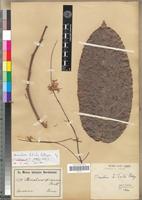
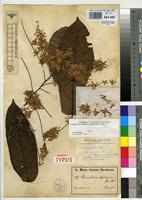
Lectotype of Homalium skirlii Gilg [family FLACOURTIACEAE]
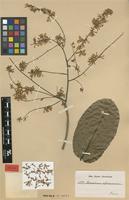
Isotype of Homalium skirlii Gilg ex Engl. [family SALICACEAE]
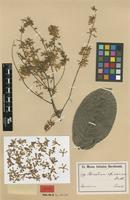
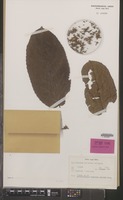
Isolectotype of Homalium skirlii Gilg [family FLACOURTIACEAE]
Isotype of Homalium skirlii Gilg ex Engl. [family SALICACEAE]
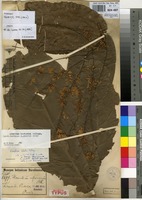
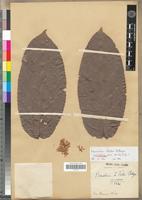
Isolectotype of Homalium skirlii Gilg [family FLACOURTIACEAE]
Isotype of Homalium skirlii Gilg [family FLACOURTIACEAE]
Isolectotype of Homalium skirlii Gilg [family FLACOURTIACEAE]
Previous
Next

Name

Identification
Homalium skirlii Gilg [family FLACOURTIACEAE ] Verified by Not on sheet, Homalium letestui Pellegr. [family FLACOURTIACEAE ] (stored under name); Verified by Sleumer H., 1970
Related name
  • Homalium letestui
  • Homalium africanum
  • Homalium skirlii
Common name
  • duakowaboba (CJT) mmepσmdua (FRI; CJT) εsononankoroma = elephant’s knee (auctt.) (GHANA, AKAN-ASANTE), Burkill, H.M. 1985. The useful plants of west tropical Africa, Vol. 2
  • tiubétad (JB) (SENEGAL, FULA-PULAAR (Senegal)), Burkill, H.M. 1985. The useful plants of west tropical Africa, Vol. 2
  • akporo (auctt.) ekalado (JMD) kalado (JMD) kalado akporo (Lamb) (NIGERIA, EDO), Burkill, H.M. 1985. The useful plants of west tropical Africa, Vol. 2
  • abo àkó = female ‘ako’ (auctt.) òtúrù (Verger) (NIGERIA, YORUBA), Burkill, H.M. 1985. The useful plants of west tropical Africa, Vol. 2
  • di iroa (FRI) (GHANA, BAULE), Burkill, H.M. 1985. The useful plants of west tropical Africa, Vol. 2
  • di iroa (Aub.) (IVORY COAST, BAULE), Burkill, H.M. 1985. The useful plants of west tropical Africa, Vol. 2
  • mbléufu (Aub.) mélé fu fu (Aub.) (IVORY COAST, ABE), Burkill, H.M. 1985. The useful plants of west tropical Africa, Vol. 2
  • kσli-galε (def. -i) = leopard’s bone (auctt.) kσtu-wulo (FCD) (SIERRA LEONE, MENDE), Burkill, H.M. 1985. The useful plants of west tropical Africa, Vol. 2
  • rokò bachi (auctt.) (NIGERIA, NUPE), Burkill, H.M. 1985. The useful plants of west tropical Africa, Vol. 2
  • nyaŋgi (NWT) (SIERRA LEONE, SUSU), Burkill, H.M. 1985. The useful plants of west tropical Africa, Vol. 2
  • akoledo (Lancaster) (NIGERIA, YORUBA (Ondo)), Burkill, H.M. 1985. The useful plants of west tropical Africa, Vol. 2
  • ahubé (Aub.) diunankahia (Aub.) (IVORY COAST, KYAMA), Burkill, H.M. 1985. The useful plants of west tropical Africa, Vol. 2
  • akpurukwu (KO&S) (NIGERIA, IGBO), Burkill, H.M. 1985. The useful plants of west tropical Africa, Vol. 2
  • wudi-na-akhσ-na (FCD) (SIERRA LEONE, YALUNKA), Burkill, H.M. 1985. The useful plants of west tropical Africa, Vol. 2
  • (Guinea-Bissau) tchubètáde (JDES) (GUINEA-BISSAU, FULA-PULAAR), Burkill, H.M. 1985. The useful plants of west tropical Africa, Vol. 2
  • osononankroma (DF; E&A) (GHANA, TWI), Burkill, H.M. 1985. The useful plants of west tropical Africa, Vol. 2
  • bro-kpar = hard as bone (C&R) (LIBERIA, KRU-BASA), Burkill, H.M. 1985. The useful plants of west tropical Africa, Vol. 2
  • teinpiando (?tienpiando) (S&F) (SIERRA LEONE, KISSI), Burkill, H.M. 1985. The useful plants of west tropical Africa, Vol. 2
  • osonnankroma (DF) εsononankoroma = elephant’s knee (auctt.) (GHANA, WASA), Burkill, H.M. 1985. The useful plants of west tropical Africa, Vol. 2
  • miarhire (auctt.) (GHANA, NZEMA), Burkill, H.M. 1985. The useful plants of west tropical Africa, Vol. 2

Information

Entry for Homalium letestui Pellegr. [family FLACOURTIACEAE]
Herbarium
Royal Botanic Gardens, Kew (K)
Collection
Useful Plants of West Tropical Africa
Resource Type
Reference Sources
Entry From
Burkill, H.M. 1985. The useful plants of west tropical Africa, Vol 2
Names
Homalium dolichophyllum Gilg. [family FLACOURTIACEAE]
Homalium letestui Pellegr. [family FLACOURTIACEAE]
Homalium skirlii Gilg, p. 1: 197. [family FLACOURTIACEAE]
Common names
SENEGAL: FULA-PULAAR (Senegal) tiubétad (JB) GUINEA-BISSAU: FULA-PULAAR (Guinea-Bissau) tchubètáde (JDES) SIERRA LEONE: KISSI teinpiando (?tienpiando) (S&F) MENDE kσli-galε (def. -i) = leopard’s bone (auctt.) kσtu-wulo (FCD) SUSU nyaŋgi (NWT) YALUNKA wudi-na-akhσ-na (FCD) LIBERIA: KRU-BASA bro-kpar = hard as bone (C&R) IVORY COAST: ABE mbléufu (Aub.) mélé fu fu (Aub.) BAULE di iroa (Aub.) KYAMA ahubé (Aub.) diunankahia (Aub.) GHANA: AKAN-ASANTE duakowaboba (CJT) mmepσmdua (FRI; CJT) εsononankoroma = elephant’s knee (auctt.) TWI osononankroma (DF; E&A) WASA osonnankroma (DF) εsononankoroma = elephant’s knee (auctt.) BAULE di iroa (FRI) NZEMA miarhire (auctt.) NIGERIA: EDO akporo (auctt.) ekalado (JMD) kalado (JMD) kalado akporo (Lamb) IGBO akpurukwu (KO&S) NUPE rokò bachi (auctt.) YORUBA abo àkó = female ‘ako’ (auctt.) òtúrù (Verger) YORUBA (Ondo) akoledo (Lancaster)
Uses
bark Medicines: dropsy, swellings, oedema, gout Agri-horticulture: ornamental, cultivated or partially tended Agri-horticulture: fence-posts, poles, sticks Products: building materials sap Products: exudations-gums, resins, etc. Products: carpentry and related applications Social: religion, superstitions, magic
Description
A tree with a long straight slender bole attaining about 27 m height, occasionally up to 33 m, and to 1 m girth, of dense rain-forest, transition, semi-deciduous, galleried and secondary forests of lowlands and foothills in Senegal to Nigeria and Fernando Po, and also into central Africa to the Congo basin. It prefers proximity to running water.The tree has magnificent clusters of rose-coloured flowers. The fruits are also showy and the young leaf-flush is red before turning green. The tree is thus attractive and worthy of cultivation (1, 4, 5).The sap-wood is light brown and hard. Heart-wood is light brown, hard, heavy and with moderately fine texture (7). Because of its strength and hardness it is commonly used for house-posts and is cut for small timbers (3) and boards (6). Several vernaculars alluding to bone reflect the wood’s hardness. The wood is also used in carpentry.A bark-slash will produce a little clear sap which darkens on exposure (6). In Ivory Coast sap from the bark is used in enemas for the treatment of generalised oedemas while lees from the bark are rubbed over the area (2). In Gabon a bark-decoction with other drug-plants is taken by draught for orchitis, and bark-scrapings enter a prescription given to a newly-delivered woman (9).The Yoruba of Nigeria call on the plant in an incantation against small-pox (8), while the bark, finely ground to a powder, is blown by Liberian witchdoctors into a dragon’s lair to stupefy it before slaying it (3).
References
References:1. Aubréville, 1959: 3: 26. 2. Bouquet & Debray, 1974: 159. 3. Cooper & Record, 1931: 27. 4. Dalziel, 1937: 49. 5. Irvine, 1961: 83. 6. Savill & Fox, 1967: 232. 7. Taylor, 1960: 300. 8. Verger, 1967: No. 8. 9. Walker & Sillans, 1961: 383.
Contributor
Royal Botanic Gardens, Kew (K)

Related Materials

  • Terms and Conditions
  • Privacy Policy
  • Cookie Policy
  • Cookie Settings
  • Accessibility
  • Help
  • Contact Us
  • Facebook
  • Twitter
ITHAKA

JSTOR is part of ITHAKA, a not-for-profit organization helping the academic community use digital technologies to preserve the scholarly record and to advance research and teaching in sustainable ways.

©2000-2026 ITHAKA. All Rights Reserved. JSTOR®, the JSTOR logo, JPASS®, Aluka®, and ITHAKA® are registered trademarks of ITHAKA.

╳