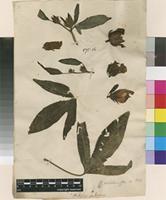
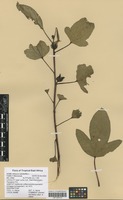
syándúŋ (FG&G) ma-tyánduŋ (FG&G) (SENEGAL, BEDIK), Burkill, H.M. 1985. The useful plants of west tropical Africa, Vol. 4
ku ges (K&A) (SENEGAL, DIOLA (Fogny)), Burkill, H.M. 1985. The useful plants of west tropical Africa, Vol. 4
mbatu (JB) (SENEGAL, BALANTA), Burkill, H.M. 1985. The useful plants of west tropical Africa, Vol. 4
bagiti (JB) (SENEGAL, CRIOULO), Burkill, H.M. 1985. The useful plants of west tropical Africa, Vol. 4
kutia (JB) (SENEGAL, BADYARA), Burkill, H.M. 1985. The useful plants of west tropical Africa, Vol. 4
fu gès (JB) (SENEGAL, DIOLA), Burkill, H.M. 1985. The useful plants of west tropical Africa, Vol. 4
bassap (JGA) bissab (anon.) karkadé the calyx (JB; FB) (SENEGAL, VULGAR), Burkill, H.M. 1985. The useful plants of west tropical Africa, Vol. 4
oseille de Guiné; oseille rouge; roselle; the rose d’Abyssinie., Burkill, H.M. 1985. The useful plants of west tropical Africa, Vol. 4
sorrel; Guinea sorrel; Jamaica sorrel; Florida cranberry (Blench); Indian sorrel; red sorrel; roselle; sour-sour (Sierra Leone)., Burkill, H.M. 1985. The useful plants of west tropical Africa, Vol. 4
a-gamene (JB) (SENEGAL, BASARI), Burkill, H.M. 1985. The useful plants of west tropical Africa, Vol. 4
Flora
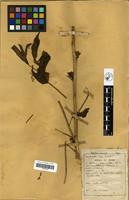
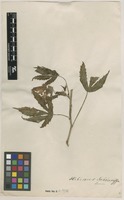
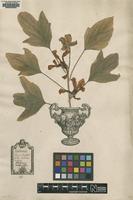
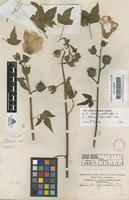
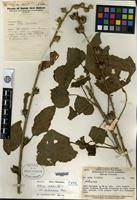
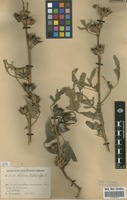
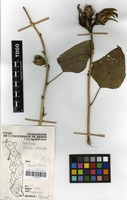
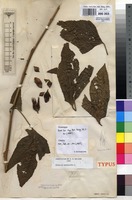
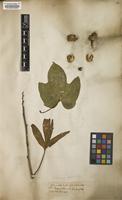
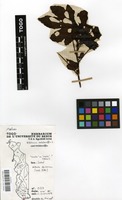
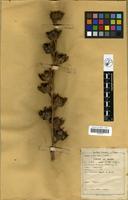
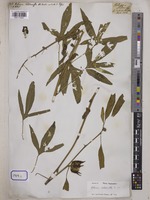
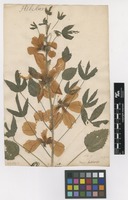
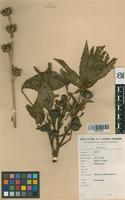
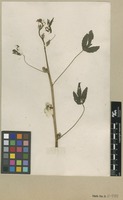
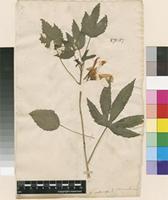
Entry for HIBISCUS sabdariffa L. [family MALVACEAE]
Herbarium
Royal Botanic Gardens, Kew (K)
Collection
Flora Somalia
Resource Type
Reference Sources
Entry From
Flora Somalia, Vol 2, (1999) Author: by M. Thulin [updated by M. Thulin 2008]
Names
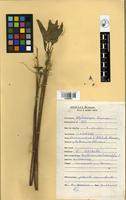
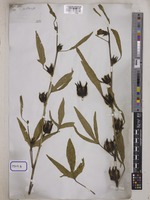
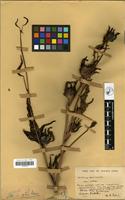
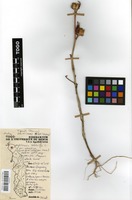
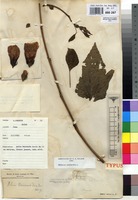
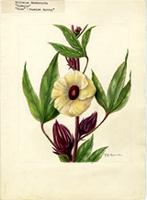
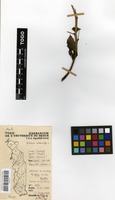
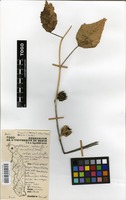
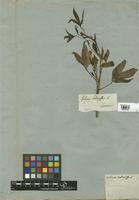
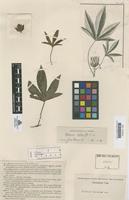
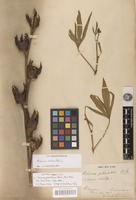
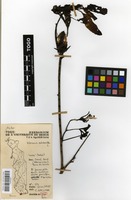
HIBISCUS sabdariffaL. [family MALVACEAE], (1753).
Information
Annual herb up to 1.5 m tall, glabrous to pubescent. Leaves with petiole up to 10 cm long; blade suborbicular to elliptic in outline, usually ± deeply 3–5-lobed, up to 15 x 15 cm; lobes linear to narrowly elliptic. Flowers in leaf axils or in well-defined racemes; pedicels up to 2 cm long, articulated below the middle. Epicalyx bracts 9–10, 10–20(–30) mm long, lanceolate. Calyx up to 50 mm long, red, fleshy; lobes ± narrowly ovate. Petals pale yellow with maroon base. Capsule up to 25 mm long, subglobose, hispid. Seeds c. 5 mm long, glabrous or sparsely and minutely pubescent.
Range
Cultivated at least in S2 cultivated throughout the tropics, perhaps of African origin.
Notes
Jamaica sorrel, roselle (Eng.).The fleshy calyx as well as the leaves may be cooked and eaten as vegetables. The calyx may also be used in drinks or jellies.