JSTOR Global Plants Home
  • Home
  • Browse
  • About
  • Access
  • Account
    • Saved Items
    • Profile
  • Log in

Global Plants

Skip to Main Content
  • JSTOR Global Plants Home
  • Global Plants

    • Browse
    • About
    • Access
    • Account
      • Saved Items
      • Profile
Log in
  • Browse
  • About
  • Access
  • Account
    • Saved Items
    • Profile
Advanced Search

Compilation
Grewia retinervis

17 Images see all

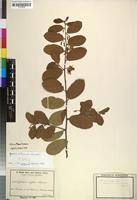
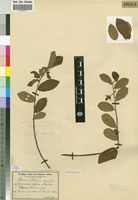
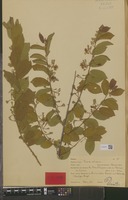
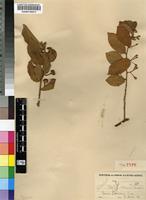
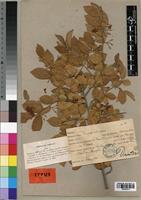
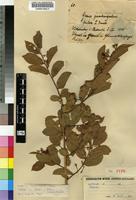
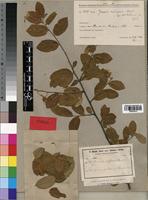
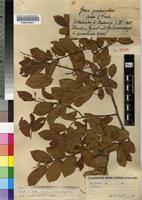
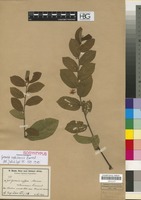
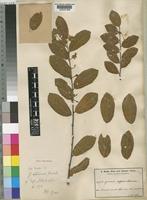
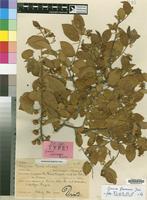
Isosyntype of Grewia retinervis Burret [family MALVACEAE]
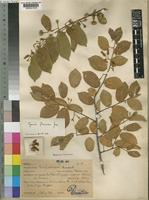
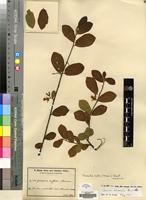
Isotype of Grewia retinervis Burret [family TILIACEAE]
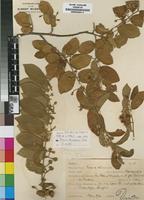
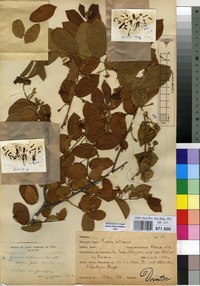
Syntype of Grewia retinervis Burret [family TILIACEAE]
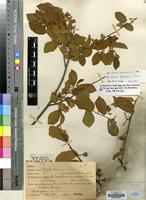
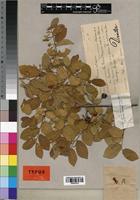
Isosyntype of Grewia retinervis Burret [family TILIACEAE]
Isotype of Grewia retinervis Burret [family TILIACEAE]
Syntype of Grewia retinervis Burret [family TILIACEAE]
Isosyntype of Grewia retinervis Burret [family TILIACEAE]
Isosyntype of Grewia retinervis Burret [family MALVACEAE]
Isotype of Grewia retinervis Burret [family TILIACEAE]
Syntype of Grewia retinervis Burret [family TILIACEAE]
Isotype of Grewia retinervis Burret [family TILIACEAE]
Syntype of Grewia retinervis Burret [family TILIACEAE]
Isotype of Grewia retinervis Burret [family TILIACEAE]
Isosyntype of Grewia retinervis Burret [family TILIACEAE]
Type of Grewia retinervis Burret [family TILIACEAE]
Syntype of Grewia retinervis Burret [family TILIACEAE]
Previous
Next

Name

Identification
Isotype of Grewia retinervis Burret [family TILIACEAE ] (stored under name); Verified by Not on sheet,
Related name
  • Grewia
  • Grewia retinervis
  • Grewia caffra
  • Grewia flavescens

Flora

Entry for Grewia retinervis [family MALVACEAE]
Herbarium
South African National Biodiversity Institute, Compton Herbarium, Cape Town (SAM)
Collection
Flora of Southern Africa
Resource Type
Reference Sources
Entry From
Flora of South Africa, (2003) Author: Dr J.P. Roux
Names
Grewia retinervis [family MALVACEAE]
Common names
G. carpinifolia sensu Szyszyl., Polypet. Thalam. Rehm. 57 (1887). G. deserticola Ulbr. in Bot. Jb. 51: 344 (1914). Type: South West Africa/ Namibia, Hereroland, Otjivero, Dinter 2742 (B, holo.t).
Information
Small bush 1-2 m tall, usually branching low down; young stems brownish pubescent or glabrescent, older branches somewhat compressed not becoming 4-angled and grooved. Leaf-blade 20-50 x 10-28 mm, el­liptic-oblong, acute or rounded at the apex, rounded at the base, margins serrate, sparsely pubescent above or glabrous, nerves reticula­te on both sides, slightly pubescent below; pe­tiole 1-3 mm long, pubescent; stipules about 2,5 mm long, subulate, pubescent. Inflores­cences all axillary; peduncles 3-6 mm long, pubescent; pedicels 2-3 together, 2-4 mm long, pubescent; basal bracts about 2 mm long, entire, lanceolate-triangular, pubescent. Buds oblong, somewhat sulcate. Sepals 6-8 x 1 mm, lorate, appressed pubescent outside, glabrous within. Petals yellow, 5-7 x 1,5 mm, narrowly oblong or lorate, with a basal nec­tariferous claw 1 mm long and circumvillous within. Androgynophore 1 mm long, glab­rous, not extended above the node, rather cu-pular at the apex and clasping the ovary base. Ovary appressed pubescent, never lobed; style 8-9 mm long, glabrous; stigmas usually 4, subulate. Fruit about 8 mm in diarn., glob­
Habitat
This species has sometimes been treated as a form of G. flavescens Juss. However, the fact that the fruits are al­ways 1-lobed, the leaves almost glabrous and the older branches rounded rather than 4-sided relates this species to G. carpinifolia Juss. rather than to G. flavescens, if one follows the criteria used by Keay in F.W.T.A. edn 2, 1, 1: 302 (1958) to separate these last two species. Ecologi­cally, as a small bush of dry sandy soils or Kalahari con­ditions, it is readily separated from G. carpinifolia, which is a forest species. Like a number of other species such as Dichapetalum venenatum (Hook, f.) Engl., also a plant of the open bushlands and woodlands of the Transvaal, G. retinervis may have evolved from a liane-like forest an­cestor. Both these plants are most nearly related to other species in the same genera which are forest scramblers or lianes. For these reasons G. retinervis is once more treated as a distinct species and, under our conditions at least, its rather dwarf habit, apart from the
Use
4. Grewia retinervis Burret in Bot. Jb. 45: 170 (1910), pro parte, quoad specim. Baum, excl. specim. Dinter; Burtt Davy, Fl. Transv. 1: 255 (1926); Wild in F.Z. 2,1: 45 (1963). Type: Angola, Bie, Baum 758 (B, holot; BM!).
Range
A species of open woodland and bushland, usually found on sandy soils in the Transvaal, northern Cape, South West Africa/Namibia. It occurs also in Botswana, Zimbabwe, Zambia and southern Angola. Map 3.

Related Materials

  • Terms and Conditions
  • Privacy Policy
  • Cookie Policy
  • Cookie Settings
  • Accessibility
  • Help
  • Contact Us
  • Facebook
  • Twitter
ITHAKA

JSTOR is part of ITHAKA, a not-for-profit organization helping the academic community use digital technologies to preserve the scholarly record and to advance research and teaching in sustainable ways.

©2000-2026 ITHAKA. All Rights Reserved. JSTOR®, the JSTOR logo, JPASS®, Aluka®, and ITHAKA® are registered trademarks of ITHAKA.

╳