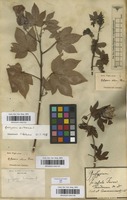
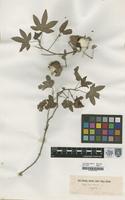
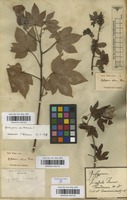
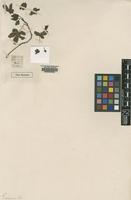
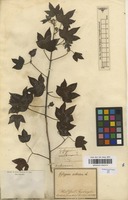
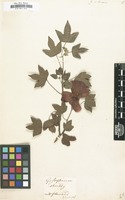
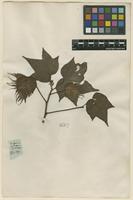
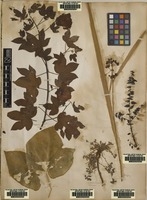
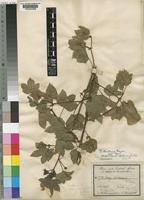
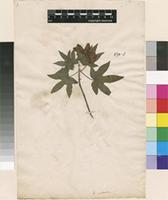
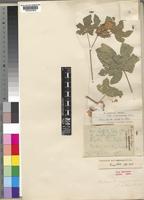
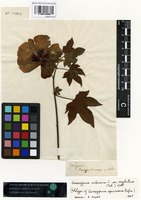
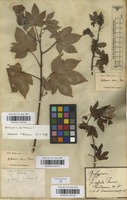
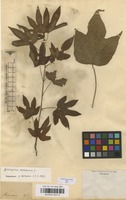
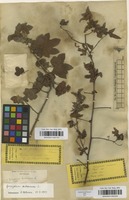
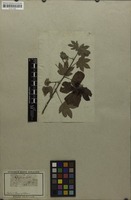
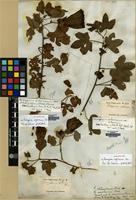
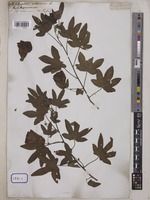
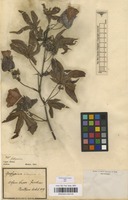
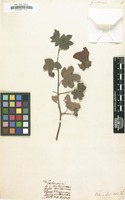
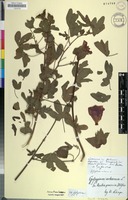
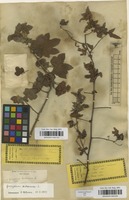
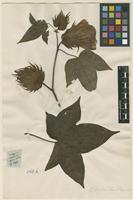
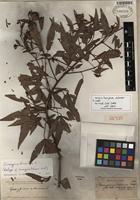
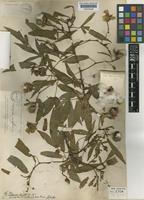
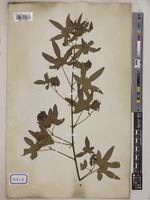
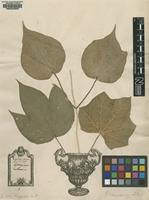
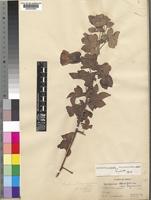
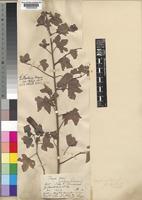
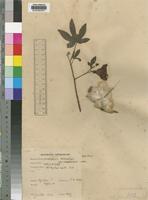
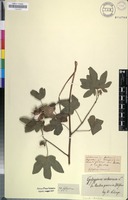
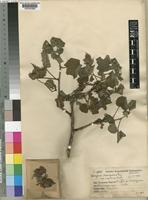
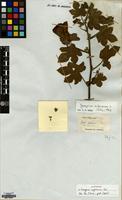
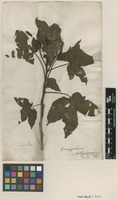
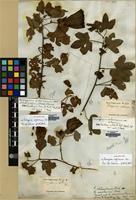
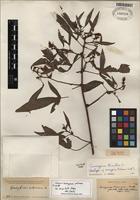
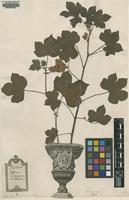
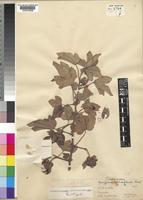
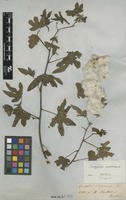
Gossypium arboreumL. [family MALVACEAE ] (stored under name); Gossypium herbaceumL. [family MALVACEAE ] Verified by Henry Trimen,
Related name
Gossypium obtusifolium
Gossypium palmerii
Gossypium vitifolium
Gossypium nanking
`
Gossypium wightianum
Gossypium rubrum
Gossypium herbaceum
Gossypium arboreum
Gossypium purpurascens
Gossypium hirsutum
Gossypium soudanense
Common name
abduga (Singha) (NIGERIA, HAUSA), Burkill, H.M. 1985. The useful plants of west tropical Africa, Vol. 4
asaawa (OA) (GHANA, AKAN-TWI), Burkill, H.M. 1985. The useful plants of west tropical Africa, Vol. 4
guiessé (A&AA) nguiessé (A&AA) (IVORY COAST, AKYE), Burkill, H.M. 1985. The useful plants of west tropical Africa, Vol. 4
òwú-kupa (JMD) (DAHOMEY ? tchéké (Diel), YORUBA-NAGO), Burkill, H.M. 1985. The useful plants of west tropical Africa, Vol. 4
tree cotton., Burkill, H.M. 1985. The useful plants of west tropical Africa, Vol. 4
owu (Singha) (NIGERIA, EDO), Burkill, H.M. 1985. The useful plants of west tropical Africa, Vol. 4
kpalagunda (Howes; JMD) (GHANA, DAGBANI), Burkill, H.M. 1985. The useful plants of west tropical Africa, Vol. 4
korondi (A&AA) (IVORY COAST, MANDING-MANINKA), Burkill, H.M. 1985. The useful plants of west tropical Africa, Vol. 4
Flora
Entry for GOSSYPIUM arboreum L. [family MALVACEAE]
Herbarium
Royal Botanic Gardens, Kew (K)
Collection
Flora Somalia
Resource Type
Reference Sources
Entry From
Flora Somalia, Vol 2, (1999) Author: by M. Thulin [updated by M. Thulin 2008]
Names
GOSSYPIUM arboreumL. [family MALVACEAE], (1753).
Information
Shrub up to 3 m tall; branches sometimes straggling, young parts pubescent with short hairs and sometimes some long simple hairs. Leaves 3–5-lobed; lobes ovate, constricted at the base. Epicalyx bracts ovate, entire or with 1–3 teeth on each side, with rounded sinuses. Capsule gradually tapering to the apex, densely pitted with conspicuous glands, opening widely and easily releasing the seeds. Seeds with long white hairs (lint) overlying shorter ones, difficult to separate seed from lint.
Range
Previously cultivated in S2 (“Wabi Shebelli”) and S3 (“Juba”) earlier widely cultivated in the Old World tropics, but now more rarely.