JSTOR Global Plants Home
  • Home
  • Browse
  • About
  • Access
  • Account
    • Saved Items
    • Profile
  • Log in

Global Plants

Skip to Main Content
  • JSTOR Global Plants Home
  • Global Plants

    • Browse
    • About
    • Access
    • Account
      • Saved Items
      • Profile
Log in
  • Browse
  • About
  • Access
  • Account
    • Saved Items
    • Profile
Advanced Search

Compilation
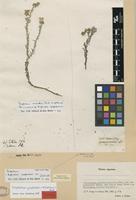
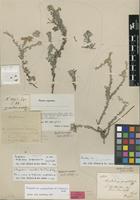
Gnaphalium gnaphalodes

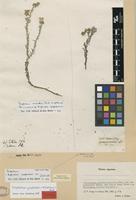
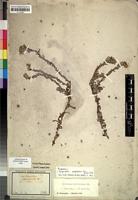
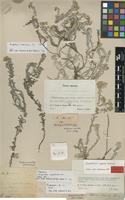
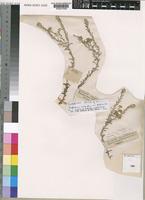
13 Images see all

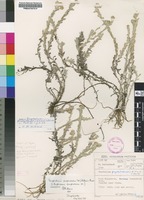
Filed as Gnaphalium gnaphalodes (DC.) Hilliard & B.L.Burtt [family ASTERACEAE]
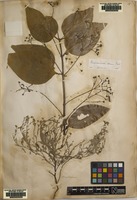
Lectotype of Gnaphalium indicum L. [family ASTERACEAE]
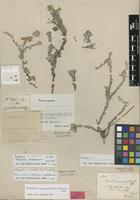
Filed as Amphidoxa gnaphalodes DC. [family ASTERACEAE]
Original material of Gnaphalium indicum L. [family ASTERACEAE]
Filed as Amphidoxa gnaphalodes DC. [family ASTERACEAE]
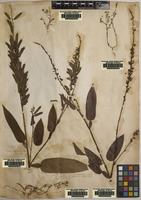
Original material of Gnaphalium indicum L. [family ASTERACEAE]
Filed as Amphidoxa gnaphalodes DC. [family ASTERACEAE]
Original material of Gnaphalium indicum L. [family ASTERACEAE]
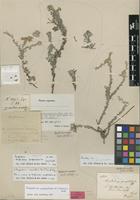
Isotype of Amphidoxa gnaphalodes DC. [family ASTERACEAE]
Isotype of Amphidoxa gnaphalodes DC. [family COMPOSITAE]
Filed as Gnaphalium capense Hilliard [family ASTERACEAE]
Gnaphalium gnaphalodes unrecorded [family COMPOSITAE]
Isotype of Amphidoxa gnaphalodes DC. [family ASTERACEAE]
Previous
Next

Name

Identification
Gnaphalium gnaphalodes unrecorded [family COMPOSITAE ] (stored under name); Gnaphalium micranthum Thunb. [family COMPOSITAE ] Verified by Hilliard, O.M.,
Related name
  • Gnaphalium gnaphalodes
  • Gnaphalium gnaphalods
  • Gnaphalium not on sheet
  • Amphidoxa gnaphalodes
  • Gnaphalium capense
  • Gnaphalium micranthum

Flora

Entry for Gnaphalium gnaphalodes [family ASTERACEAE]
Herbarium
South African National Biodiversity Institute, Compton Herbarium, Cape Town (SAM)
Collection
Flora of Southern Africa
Resource Type
Reference Sources
Entry From
Flora of South Africa, (2003) Author: Dr J.P. Roux
Names
Gnaphalium gnaphalodes [family ASTERACEAE]
Common names
Amphidoxa gnaphalodes DC, Prodr. 6:246 (1838); Harv. in F.C. 3: 263 (1865). ?Gnaphalium micranthum Thunb. var. spretum DC, Prodr. 6: 229 (1838). Type: Cape, between the Bushman's and Gouritz Rivers, Burchell 4222 (G-DC, holo.!; K, iso.!).
Information
Stoloniferous perennial herb, stems mostly 100—300 mm long, simple or branching, prostrate or decumbent, thinly greyish cottony-tomentose, leafy. Leaves ascending, appressed, mostly c. 8—20 x 2,5—4 (—5) mm, oblong-spathulate or rarely narrowly oblong-elliptic, apex usually obtuse, conspicuously mucronate, often folded lengthwise and somewhat recurved, margins more or less undulate, both surfaces loosely greyish-white appressed tomentose, often somewhat glabrescent. Heads c. 3—3,5 x 3 mm, in small corymbose clusters at or near the branch tips, eventually carried clear of the leaves on cottony peduncles. Involucral bracts in c. 4 series, outer short, golden-brown, glabrous or nearly so, inner with opaque, snow-white, oblong, obtuse tips exceeding the flowers. Receptacle shallowly tuberculate. Flowers 112-188, 90-159 ("female"), 20-50 ("bisexual"), in the proportion 2,5—7:1. Achenes c. 0,5 mm long with duplex myxogenic hairs. Pappus bristles either wanting in ("female") flowers or scabrid, bristles on ("bisexual") flowers shortly plumose at tips. Fig. 4:5.
Habitat
G. gnaphalodes is characterized by its oblong-spathulate leaves often folded lengthwise in the upper part and there slightly recurved, margins often somewhat undulate, and heads with glabrous or nearly glabrous involucres and snow-white bract tips scarcely exceeding the flowers. Pappus may be present or absent on the 9 flowers.
Use
4. Gnaphalium gnaphalodes (DC.) Hilliard & Burtt in Bot. J. Linn. Soc. 82: 193 (1981); Hilliard in Bot. J. Linn. Soc. 82: 280 (1981). Type: Cape, Uitenhage, Zwartkops River, 'Thai und angrenzende Hiigel von Villa Paul Mare bis Uitenhaag, 50-500', Dec.', Ecklon 1192 (G-DC, nolo.!; S mixed with G. micranthum var. spretum; W, iso.!).
Range
Grows in marshy places in the E. Cape and Transkei, from about Libode (near Umtata, Transkei) south and west to Grahamstown, Port Elizabeth and Uitenhage. Flowering recorded between September and May. Map 10.

Related Materials

  • Terms and Conditions
  • Privacy Policy
  • Cookie Policy
  • Cookie Settings
  • Accessibility
  • Help
  • Contact Us
  • Facebook
  • Twitter
ITHAKA

JSTOR is part of ITHAKA, a not-for-profit organization helping the academic community use digital technologies to preserve the scholarly record and to advance research and teaching in sustainable ways.

©2000-2026 ITHAKA. All Rights Reserved. JSTOR®, the JSTOR logo, JPASS®, Aluka®, and ITHAKA® are registered trademarks of ITHAKA.

╳