JSTOR Global Plants Home
  • Home
  • Browse
  • About
  • Access
  • Account
    • Saved Items
    • Profile
  • Log in

Global Plants

Skip to Main Content
  • JSTOR Global Plants Home
  • Global Plants

    • Browse
    • About
    • Access
    • Account
      • Saved Items
      • Profile
Log in
  • Browse
  • About
  • Access
  • Account
    • Saved Items
    • Profile
Advanced Search

Compilation
Gerbera jamesonii

12 Images see all

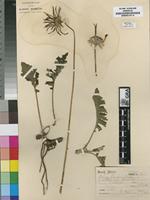
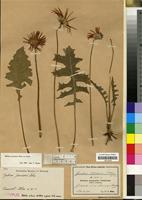
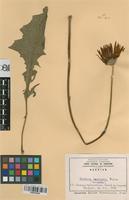
Isoneotype of Gerbera jamesonii Bolus ex Adlam [family ASTERACEAE]
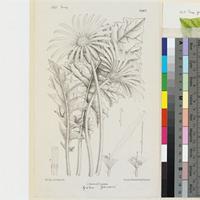
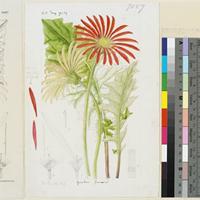
Gerbera jamesoni Bolus published illustration from Curtis's Botanical Magazine
Gerbera jamesonii Bolus ex Adlam
Type? of Gerbera wilmsii Volkens unpubl. herb. name [family COMPOSITAE/ASTERACEAE]
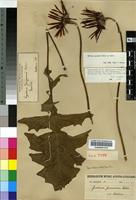
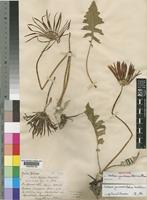
Lectotype of Gerbera jamesonii Bolus ex Adlam [family ASTERACEAE]
Gerbera jamesonii Bolus ex Adlam
Type? of Gerbera wilmsii Volkens unpubl. herb. name [family COMPOSITAE/ASTERACEAE]
Gerbera jamesonii Bolus ex Adlam
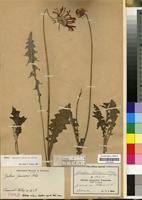
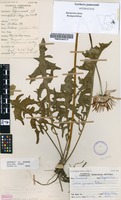
Neotype of Gerbera jamesonii Adlam [family COMPOSITAE]
Filed as Gerbera jamesonii Bolus [family COMPOSITAE]
Gerbera jamesoni Bolus original illustration from Curtis's Botanical Magazine
Filed as Gerbera jamesonii Bolus ex Adlam [family ASTERACEAE]
Previous
Next

Name

Identification
Gerbera jamesonii Bolus ex Adlam [family ASTERACEAE ]
Related name
  • Gerbera jamesonii

Flora

Entry for Gerbera jamesonii Adiam [family COMPOSITAE]
Herbarium
Royal Botanic Gardens, Kew (K)
Collection
Flora Zambesiaca
Resource Type
Reference Sources
Entry From
FZ, Vol 6, Part 1, (1992) Author: G. V. Pope
Names
Gerbera jamesonii Adiam [family COMPOSITAE]
Information
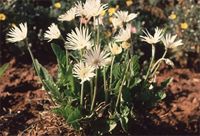
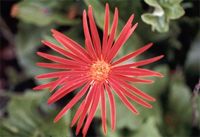
easily recognised by its large (to 68 cm. long) pinnatisect leaves, its large capitula (to 4.8 cm. in diam.) and its showy red ray-florets and yellow inner florets. Many cultivars with variously coloured rays have been produced.
Range
is cultivated as a garden ornamental in the Flora Zambesiaca area. It is indigenous to E. Transvaal
Notes
the “barberton daisy”,

Related Materials

  • Terms and Conditions
  • Privacy Policy
  • Cookie Policy
  • Cookie Settings
  • Accessibility
  • Help
  • Contact Us
  • Facebook
  • Twitter
ITHAKA

JSTOR is part of ITHAKA, a not-for-profit organization helping the academic community use digital technologies to preserve the scholarly record and to advance research and teaching in sustainable ways.

©2000-2026 ITHAKA. All Rights Reserved. JSTOR®, the JSTOR logo, JPASS®, Aluka®, and ITHAKA® are registered trademarks of ITHAKA.

╳