JSTOR Global Plants Home
  • Home
  • Browse
  • About
  • Access
  • Account
    • Saved Items
    • Profile
  • Log in

Global Plants

Skip to Main Content
  • JSTOR Global Plants Home
  • Global Plants

    • Browse
    • About
    • Access
    • Account
      • Saved Items
      • Profile
Log in
  • Browse
  • About
  • Access
  • Account
    • Saved Items
    • Profile
Advanced Search

Compilation
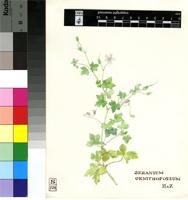
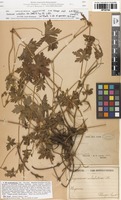
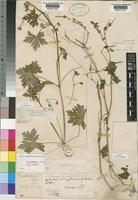
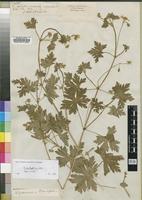
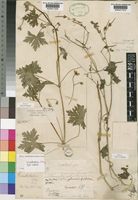
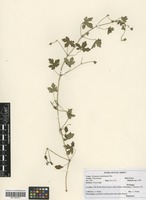
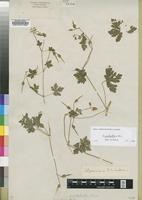
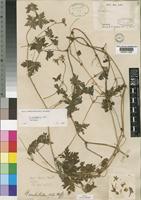
Geranium aculeolatum

8 Images see all

Geranium aculeolatum Oliv.
Isolectotype of Geranium aculeolatum Oliv. [family GERANIACEAE]
Type of Geranium aculeolatum Oliv. [family GERANIACEAE]
Filed as Geranium aculeolatum Oliv. [family GERANIACEAE]
Type of Geranium aculeolatum Oliv. [family GERANIACEAE]
Lectotype of Geranium aculeolatum Oliv. [family GERANIACEAE]
Previous
Next

Name

Identification
Geranium aculeolatum Oliv. [family GERANIACEAE ]
Related name
  • Geranium aculeolatum

Flora

Entry for GERANIUM aculeolatum Oliv. [family GERANIACEAE]
Herbarium
Royal Botanic Gardens, Kew (K)
Collection
Flora of Tropical Africa
Resource Type
Reference Sources
Entry From
Flora of Tropical Africa, Vol 1, page 289, (1868) Author: (by Prof. Oliver).(Impatiens, by Dr. J. D. Hooker.)
Names
GERANIUM aculeolatum Oliv. [family GERANIACEAE]
Information
Perennial. Branches decumbent and rooting below or ascending, retrorsely aculeolate. Leaves 5-partite; segments deeply incised with acute teeth, sparsely setose-pilose beneath, glabrescent or with scattered pubescence above, 1 1/2–2 1/2 in. diam. or probably often larger. Peduncles with scattered recurved setæ, 2-flowered, exceeding the leaves; pedicels and sepals glandular-pilose. Sepals oblong-lanceolate with a rather long apiculus. Petals entire, ciliate at the base, about twice as long as the sepals. Carpels smooth, shortly pilose. Seeds very minutely punctate.
Distribution
Abyssinia Nile Land Schimper! Roth!
Notes
Roth says the flowers are white. They are probably also purple.

Related Materials

  • Terms and Conditions
  • Privacy Policy
  • Cookie Policy
  • Cookie Settings
  • Accessibility
  • Help
  • Contact Us
  • Facebook
  • Twitter
ITHAKA

JSTOR is part of ITHAKA, a not-for-profit organization helping the academic community use digital technologies to preserve the scholarly record and to advance research and teaching in sustainable ways.

©2000-2026 ITHAKA. All Rights Reserved. JSTOR®, the JSTOR logo, JPASS®, Aluka®, and ITHAKA® are registered trademarks of ITHAKA.

╳