JSTOR Global Plants Home
  • Home
  • Browse
  • About
  • Access
  • Account
    • Saved Items
    • Profile
  • Log in

Global Plants

Skip to Main Content
  • JSTOR Global Plants Home
  • Global Plants

    • Browse
    • About
    • Access
    • Account
      • Saved Items
      • Profile
Log in
  • Browse
  • About
  • Access
  • Account
    • Saved Items
    • Profile
Advanced Search

Compilation
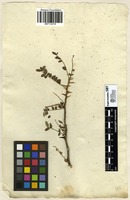
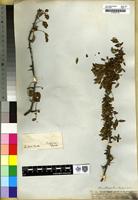
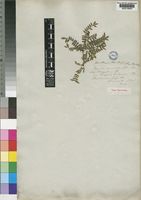
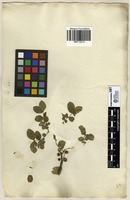
Fagara capensis

4 Images see all

Filed as Elaphrium capense [family BURSERACEAE]
Type of Fagara capensis Thunb. [family RUTACEAE]
Type of Zanthoxylum thunbergii DC. var. multijuga [family RUTACEAE]
Filed as Elaphrium capense [family BURSERACEAE]
Previous
Next

Name

Identification
Fagara capensis Thunb. [family RUTACEAE ] Fagara armata Thunb. [family RUTACEAE ] Elaphrium capense DC. [family BURSERACEAE ] Zanthoxylum capense (Thunb.) Harv. [family RUTACEAE ] (stored under name); Zanthoxylum thunbergii DC. [family RUTACEAE ]
Related name
  • Fagara capensis
  • Zanthoxylum thunbergii
  • Zanthoxylum capense
  • Fagara armata
  • Elaphrium capense

Flora

Entry for XANTHOXYLON capense Harv. [family ]
Herbarium
Royal Botanic Gardens, Kew (K)
Collection
Flora Capensis
Resource Type
Reference Sources
Entry From
Flora Capensis, Vol 1, page 445, (1894) Author: (By W. H. HARVEY).
Names
XANTHOXYLON capense Harv. [family ], (Rhetza)
Fagara capensis Thunb. [family RUTACEAE], Fl. Cap. p. 141. E. & Z.! No. 921.
Fagarastrum capense Don. [family ], —Pappe, Fl. Med. p. 8.
Elaphrium capense DC. [family BURSERACEAE], Prod. I. p. 724.
Rhus obliqua [family ANACARDIACEAE], litt. c. E. Mey.! (non Thunb.)
Information
branches armed; petioles unarmed, channelled; leaves paripinnate, leaflets elliptical, obovate, ovate, or ovato-lanceolate, obtuse or acute, crenulate, sessile, sub-unequal at base; panicles axillary and terminal, puberulous; flowers 4 parted; ovary single, ovoid; style filiform, equalling the petals; stigmas capitate. A large, much branched shrub or small tree, the branches and twigs armed with sharp, strong, horizontal, solitary prickles, usually placed under the insertion of the petiole. Leaflets in 4–5 pairs, opposite or alternate, 1/2–1 1/2 inch long, 2–6 lines wide, the lowest smallest, the rest gradually larger, very variable in shape, with a translucent gland in each serrature, and sometimes sparsely pellucid dotted. Panicles many flowered, shorter than the petioles. Petals of the ♂ flowers oval, concave, very obtuse; of the ♀, ovato-lanceolate, sub-acute, keeled.
Distribution
SOUTH AFRICA In woods, in the districts of George, Uitenhage, and Albany, common; also in Caffirland, and at Port Natal. (Herb. T.C.D., Hook., Sond.)

Related Materials

  • Terms and Conditions
  • Privacy Policy
  • Cookie Policy
  • Cookie Settings
  • Accessibility
  • Help
  • Contact Us
  • Facebook
  • Twitter
ITHAKA

JSTOR is part of ITHAKA, a not-for-profit organization helping the academic community use digital technologies to preserve the scholarly record and to advance research and teaching in sustainable ways.

©2000-2026 ITHAKA. All Rights Reserved. JSTOR®, the JSTOR logo, JPASS®, Aluka®, and ITHAKA® are registered trademarks of ITHAKA.

╳