Entry From
Flora of North America, Vol 20,
Discussion
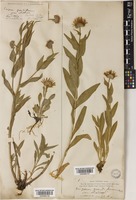
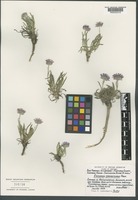
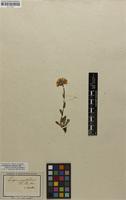
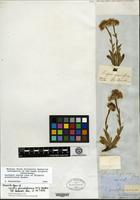
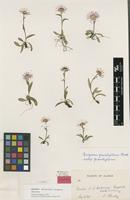
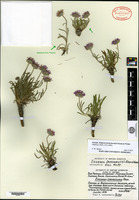
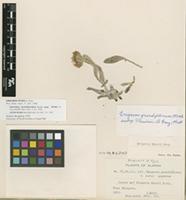
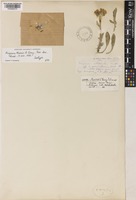
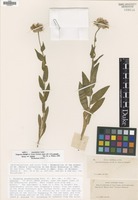
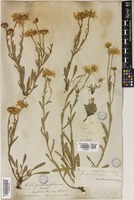
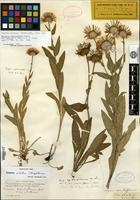
S. A. Spongberg (1971) recognized only the triploid populations as Erigeron grandiflorus and assigned the diploid ones to E. simplex. He hypothesized that the triploids incorporate genomic elements from an ancestor other than E. simplex. Based on his comments and annotations, however, triploids in southern Canada and the western United States apparently differ from the much more widespread diploids only quantitatively, having involucres and florets at the higher end of size ranges. Morphologic distinctions between the ploidal races do not provide a basis for consistent distinction. Spongberg (p. 200) also noted that “because of the intergrading of morphologic features of plants of Erigeron grandiflorus...the single most important criterion indicative of this taxon is highly irregular [in shape] and greatly abortive pollen.” These pollen features result from meiotic anomalies associated with the triploid condition.
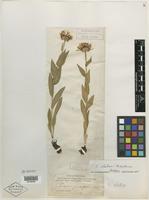
Specimen citations by A. Cronquist (1947) for Erigeron grandiflorus were mostly from collections of the species treated here as E. porsildii. He also cited two collections from southwestern Alberta; those and the type collection of E. grandiflorus (from the same region) are disjunct by more than 1500 kilometers from the more northern range of E. porsildii and instead lie at the northern extremity of the range of what previously has generally been identified as E. simplex.