JSTOR Global Plants Home
  • Home
  • Browse
  • About
  • Access
  • Account
    • Saved Items
    • Profile
  • Log in

Global Plants

Skip to Main Content
  • JSTOR Global Plants Home
  • Global Plants

    • Browse
    • About
    • Access
    • Account
      • Saved Items
      • Profile
Log in
  • Browse
  • About
  • Access
  • Account
    • Saved Items
    • Profile
Advanced Search

Compilation
Erigeron formosissimus

17 Images see all

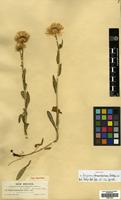
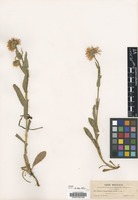
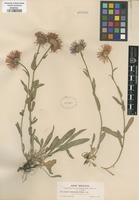
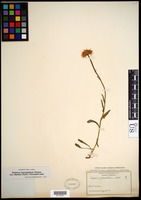
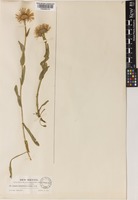
Isotype of Erigeron formosissimus Greene [family COMPOSITAE]
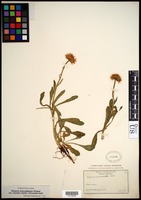
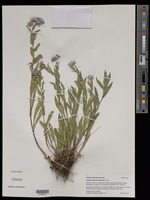
Erigeron formosissimus var. viscidus (Rydb.) Cronquist [family ASTERACEAE]
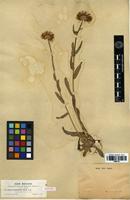
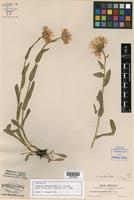
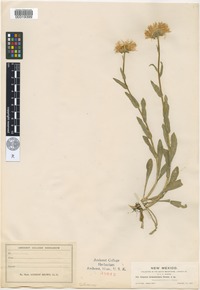
Isotype of Erigeron formosissimus Greene [family ASTERACEAE]
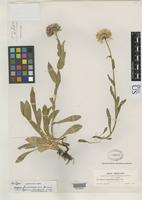
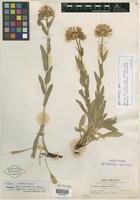
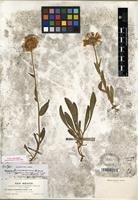
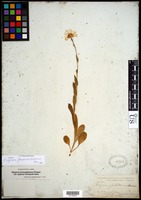
Isotype of Erigeron formosissimus Greene, E.L. 1898 [family ASTERACEAE]
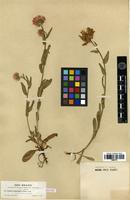
Type? of Erigeron formosissimus Greene [family ASTERACEAE]
Isotype of Erigeron formosissimus Greene [family ASTERACEAE]
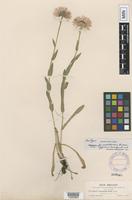
Type of Erigeron formosissimus Greene [family ASTERACEAE]
Isotype of Erigeron formosissimus var. typicus Cronquist [family ASTERACEAE]
Isotype of Erigeron formosissimus Greene var. typicus Cronquist [family ASTERACEAE]
Isotype of Erigeron formosissimus Greene [family ASTERACEAE]
Erigeron formosissimus var. viscidus (Rydb.) Cronquist [family ASTERACEAE]
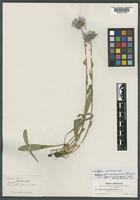
Isotype of Erigeron formosissimus Greene [family ASTERACEAE]
Erigeron formosissimus Greene [family ASTERACEAE]
Erigeron formosissimus Green, E.L. [family COMPOSITAE]
Previous
Next

Name

Identification
Isotype of Erigeron formosissimus Greene [family ASTERACEAE ] (stored under name); Verified by E.L.Greene,
Related name
  • Erigeron formosissimus
Common name
  • Beautiful fleabane, Flora of North America Vol. 20

Flora

Entry for Erigeron formosissimus Greene [family COMPOSITAE]
Herbarium
Flora of North America (FNA)
Collection
Flora of North America
Resource Type
Reference Sources
Entry From
Flora of North America, Vol 20,
Names
Erigeron formosissimus Greene [family COMPOSITAE], Bull. Torrey Bot. Club, 25: 121, plate 332, figs. 3, 4. 1898
Treatment Author(s)
Guy L. Nesom
Information
Perennials, 10–40(–55) cm; rhizomatous, fibrous-rooted, rhizomes variably thick. Stems ascending, densely hirsute to hirsutulous or glabrous, minutely glandular to stipitate-glandular. Leaves basal (persistent) and cauline; basal blades oblanceolate to oblanceolate-spatulate, 20–100(–150) × 4–10(–15) mm, margins entire, closely ciliate, faces glabrous or sparsely hirsute, sometimes sparsely glandular; cauline blades becoming ovate to lanceolate, gradually reduced distally (bases clasping). Heads 1–6. Involucres 5–8 × 10–20 mm. Phyllaries in 2–3 series (greenish), glabrous or hirsuto-villous, densely minutely glandular to stipitate-glandular (glands sometimes obscured by hairs in var. formosissimus). Ray florets 75–150; corollas blue to purple, rarely pink to white, 8–15 mm (ca. 1 mm wide), laminae coiling at tips or not at all. Disc corollas 3.5–4.5 mm. Cypselae (1.3–)1.6–1.9 mm, 2-nerved, faces sparsely strigose; pappi: outer of setae, inner of 15–25 bristles.
Distribution
w United States.
Discussion
Variation in vestiture of Erigeron formosissimus is complex, ranging from stems and heads glabrous and densely stipitate-glandular to stems and heads densely hairy and essentially eglandular; intermediates are found over the range of the species. The taxonomic solution of recognizing broadly sympatric varieties within a single species is biologically untenable, and some have treated this as a single entity; the variation is greater than typically occurs within a single species of Erigeron (see comments following 3. E. neomexicanus, where the situation with E. oreophilus is similar).

Related Materials

  • Terms and Conditions
  • Privacy Policy
  • Cookie Policy
  • Cookie Settings
  • Accessibility
  • Help
  • Contact Us
  • Facebook
  • Twitter
ITHAKA

JSTOR is part of ITHAKA, a not-for-profit organization helping the academic community use digital technologies to preserve the scholarly record and to advance research and teaching in sustainable ways.

©2000-2026 ITHAKA. All Rights Reserved. JSTOR®, the JSTOR logo, JPASS®, Aluka®, and ITHAKA® are registered trademarks of ITHAKA.

╳