Entry From
Flora of South Africa, (2003) Author: Dr J.P. Roux
Common names
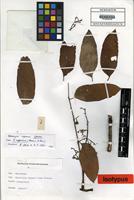
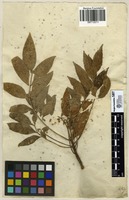
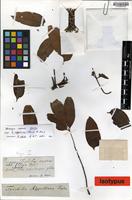
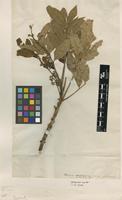
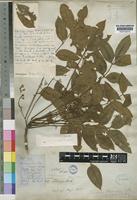
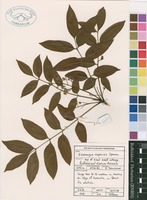
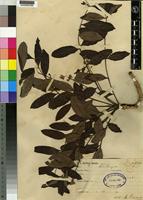
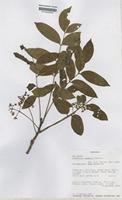
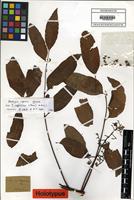
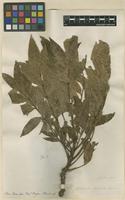
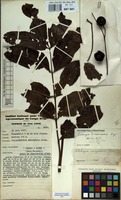
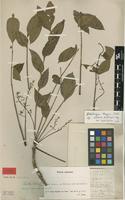
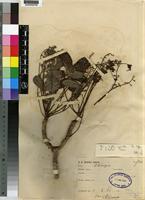
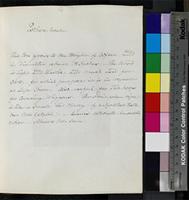
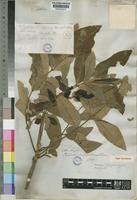
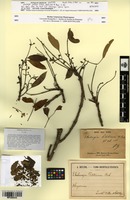
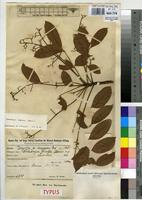
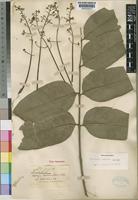
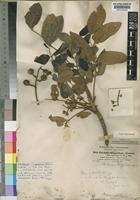
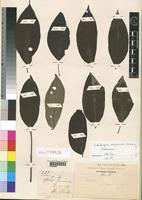
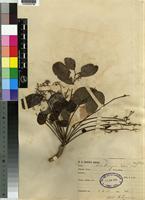
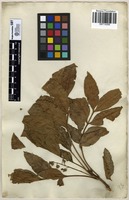
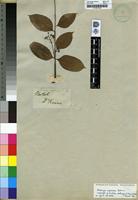
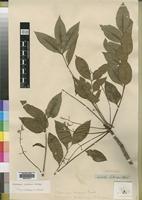
Trichilia ekebergia E. Mey. ex Sond. in F.C. 1: 246 (1860); E. Mey. ex Drege, Zwei HI. Doc. 227 (1843), nom. nud.; Pappe, Silv. Cap. 5 (1862). Syntypes: South Africa, Tsitsikamma ('Sitzekamma'), Drege s.n. (TCD; S); Port Natal, Krauss (TCD; S). Ekebergia meyeri Presl ex C. DC. in Monogr. Phan. 1: 642 (1878); Presl, Bot. Bemerk. 25 (1844), nom. nud. (as Eckebergia); Bum Davy, Fl. Transv. 2: 487 (1932). Type: South Africa, 'Cape Peninsula', Drege s.n. (B, nolo., presumably destroyed).
Habitat
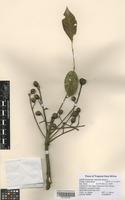
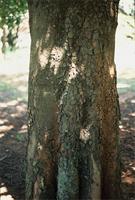
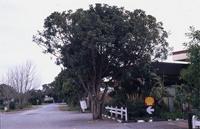
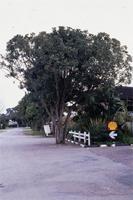
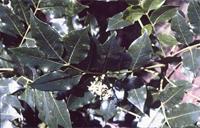
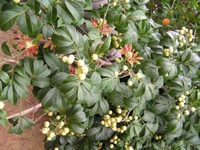
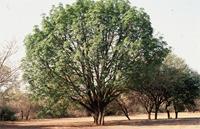
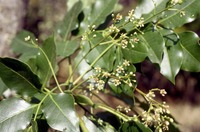
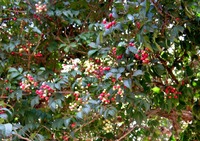
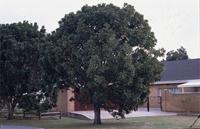
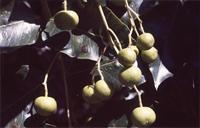
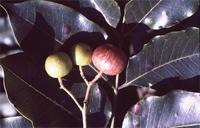
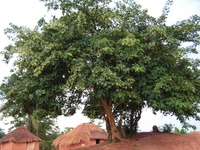
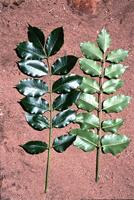
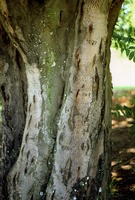
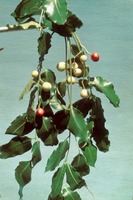
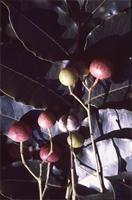
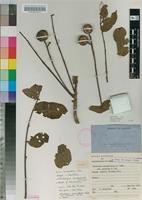
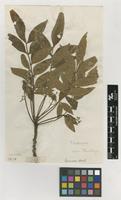
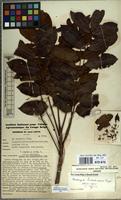
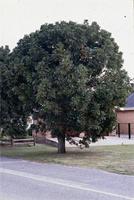
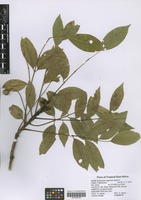
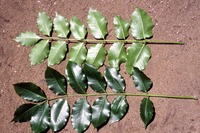
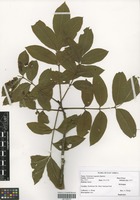
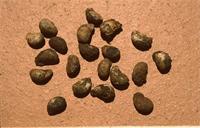
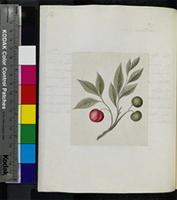
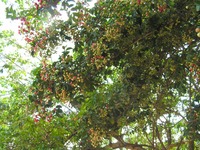
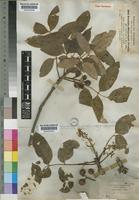
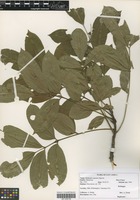
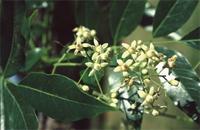
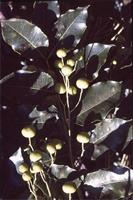
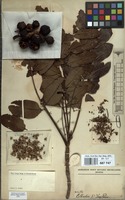
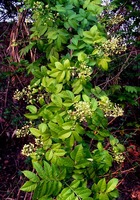
The Dog plum or Essenhout, like most widespread species, is very variable. Most individuals from the eastern Cape have very prominent leaf scars, a narrowly winged rhachis and small, narrow, crowded leaflets. In tropical Africa and Natal the predominant form has a wingless rhaÂchis and larger, broader, more widely spaced leaflets. These two variants, however, have been confused since before 1860. There are also too many intermediates and the overall pattern is too diffuse to justify the formal recognition of named taxa. The Cape variant is often cultivated as a street tree and in gardens. E. capensis is sometimes confused with Harpephyllum caffrum Bernh. (Anacardiaceae), the leaves of which are superficially similar.
Use
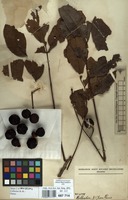
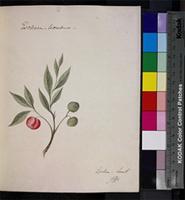
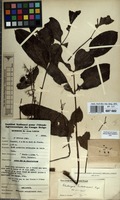
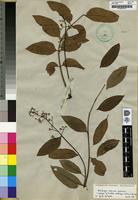
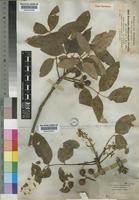
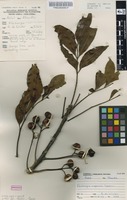
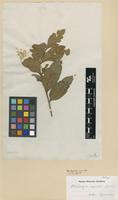
1. Ekebergia capensis Sparrm. in K. Svenska Vetensk-Akad. Handl. 40: 282, fig. 9 (1779); Thunb., F.C. edn Schult. 542 (1823); Sond. in F.C. 1: 247 (1860) excluding Ecklon & Zeyher 425; Pappe, Silv. Cap. 6 (1862); C. DC. in Monogr. Phan. 1: 641 (1878); Bum Davy, Fl. Transv. 2: 487 (1932); White & Styles in F.Z. 2: 316, fig. 62 (1963); Ross, Fl. Natal 216 (1972); Van Wyk, Trees Kruger Nat. Park, 1: 274 & photos (1972); Palmer & Pitman, Trees S. Afr. 2: 1065 & photos (1973). Type: South Africa, Sparrman s.n. (S, holo.!).