Global Plants
Skip to Main Content
Global Plants
Browse
About
Access
Account
Saved Items
Profile
Log in
Browse
About
Access
Account
Saved Items
Profile
Filter search by
Names
Names with Synonyms
Places
People
Free Text
Search
Search
Advanced Search
Compilation
Drypetes vignei
6 Images
see all
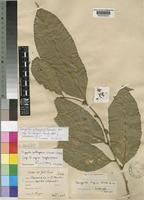
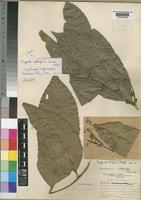
Drypetes pellegrinii Leandri [family EUPHORBIACEAE]
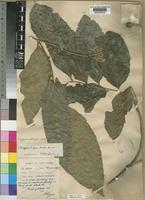
Drypetes pellegrinii Léandri [family EUPHORBIACEAE]
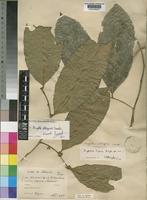
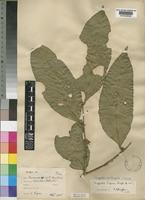
Drypetes pellegrinii Leandri [family EUPHORBIACEAE]
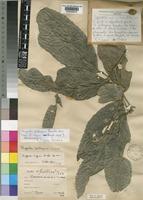
Drypetes pellegrinii Leandri [family EUPHORBIACEAE]
Type of Drypetes pellegrinii Leandri [family EUPHORBIACEAE]
Drypetes pellegrinii Leandri [family EUPHORBIACEAE]
Previous
Next
Name
Identification
Drypetes pellegrinii
Leandri
[family
EUPHORBIACEAE
] (stored under name); Verified by Keay, R.W.J.,
Caseari bartvei
unrecorded
[family
EUPHORBIACEAE
]
Drypetes vignei
Hoyle
[family
EUPHORBIACEAE
] Verified by Hoyle, A.C.,
Related name
Drypetes vignei
Drypetes pellegrinii
Casearia barteri
Drypetes principum
Caseari bartvei
Common name
opaha (DF) (GHANA, VULGAR), Burkill, H.M. 1985. The useful plants of west tropical Africa, Vol. 2
σpaha-kσkσσ (auctt.) (GHANA, AKAN-ASANTE), Burkill, H.M. 1985. The useful plants of west tropical Africa, Vol. 2
σpaha (auctt.) (GHANA, TWI), Burkill, H.M. 1985. The useful plants of west tropical Africa, Vol. 2
kahibéhi (Aub.) (IVORY COAST, ‘SOUBRE’), Burkill, H.M. 1985. The useful plants of west tropical Africa, Vol. 2
Information
Entry for Drypetes pellegrinii Léandri [family EUPHORBIACEAE]
Herbarium
Royal Botanic Gardens, Kew (K)
Collection
Useful Plants of West Tropical Africa
Resource Type
Reference Sources
Entry From
Burkill, H.M. 1985. The useful plants of west tropical Africa, Vol 2
Names
Drypetes pellegrinii
Léandri
[family
EUPHORBIACEAE
]
Drypetes vignei
Hoyle.
[family
EUPHORBIACEAE
]
Common names
IVORY COAST
:
‘SOUBRE’
kahibéhi (Aub.)
GHANA
:
VULGAR
opaha (DF)
AKAN-ASANTE
σpaha-kσkσσ (auctt.)
TWI
σpaha (auctt.)
Uses
bark Food: sauces, condiments, spices, flavourings
Description
A understorey tree of the high-forest, to 13 m tall by 1 m girth, locally abundant in Ivory Coast and Ghana.The bark has a spicy taste and is used in Ivorean medicine (1).
References
Reference:1. Aubréville, 1959, 2: 54.
Contributor
Royal Botanic Gardens, Kew (K)
Related Materials
╳