JSTOR Global Plants Home
  • Home
  • Browse
  • About
  • Access
  • Account
    • Saved Items
    • Profile
  • Log in

Global Plants

Skip to Main Content
  • JSTOR Global Plants Home
  • Global Plants

    • Browse
    • About
    • Access
    • Account
      • Saved Items
      • Profile
Log in
  • Browse
  • About
  • Access
  • Account
    • Saved Items
    • Profile
Advanced Search

Compilation
Diospyros chamaethamnus

21 Images see all

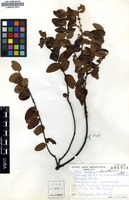
Diospyros chamaethamnus Mildbr. [family EBENACEAE]
Diospyros chamaethamnus Dinter ex Mildbr.
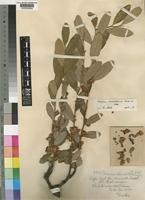
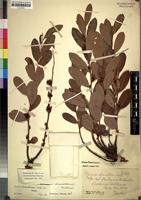
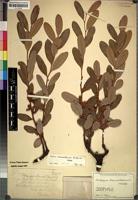
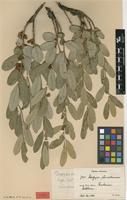
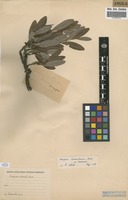
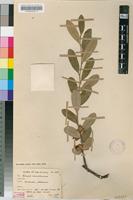
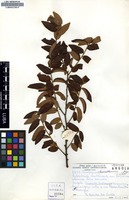
Isotype of Diospyros chamaethamnus Dinter ex Mildbr. [family EBENACEAE]
Diospyros chamaethamnus Dinter ex Mildbr.
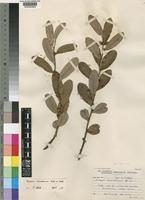
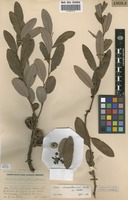
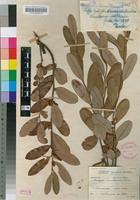
Isotype of Diospyros chamaethamnus Dinter ex Mildbr. [family EBENACEAE]
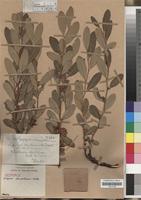
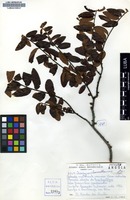
Type of Diospyros chamaethamnus Mildbr. [family EBENACEAE]
Diospyros chamaethamnus Dinter ex Mildbr.
Filed as Diospyros chamaethamnus Mildbr. [family EBENACEAE]
Diospyros chamaethamnus Dinter ex Mildbr.
Diospyros chamaethamnus Mildbr. [family EBENACEAE]
Isotype of Diospyros chamaethamnus Dinter ex Mildbr. [family EBENACEAE]
Diospyros chamaethamnus Dinter ex Mildbr.
Filed as Diospyros chamaethamnus Mildbr. [family EBENACEAE]
Isotype of Diospyros chamaethamnus Mildbr. [family EBENACEAE]
Diospyros chamaethamnus [family EBENACEAE]
Isotype of Diospyros chamaethamnus Dinter ex Mildbr. [family EBENACEAE]
Diospyros chamaethamnus [family EBENACEAE]
Diospyros chamaethamnus Dinter ex Mildbr.
Diospyros chamaethamnus [family EBENACEAE]
Previous
Next

Name

Identification
Diospyros chamaethamnus Dinter ex Mildbr. [family EBENACEAE ]
Related name
  • Diospyros chamaethamnus

Flora

Entry for Diospyros chamaethamnus [family EBENACEAE]
Herbarium
South African National Biodiversity Institute, Compton Herbarium, Cape Town (SAM)
Collection
Flora of Southern Africa
Resource Type
Reference Sources
Entry From
Flora of South Africa, (2003) Author: Dr J.P. Roux
Names
Diospyros chamaethamnus [family EBENACEAE]
Information
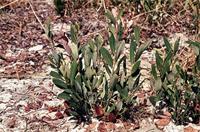
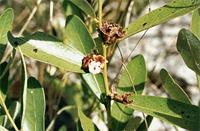
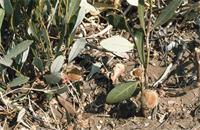
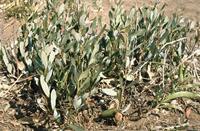
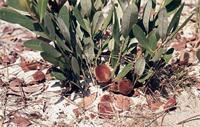
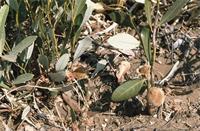
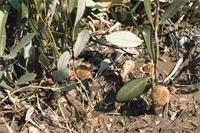
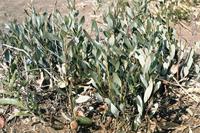
Small rhizomatous suffrutices consisting of branched or unbranched shoots 30-60 cm high, originating from a woody stock; stems hairy at the base, subglabrous to quite glabrous upwards. Leaves glabrous, oblong to narrowly oblong-elliptic (rarely some basal leaves obovate), maximum size 9x3 cm, petioles up to 5 mm long usually with a few oblique ridges; leaf-blade discolorous, lower surface glaucous, and dotted with glands, upper pale green, nervation more prominent on upper than lower surface, apex subobtuse, base cuneate to rounded, margin entire, under stronger magnification the bloom on the lower surface is seen as tiny waxy globules. Inflorescence a dense axillary cluster of flowers or occasionally flowers solitary with a densely bracteate peduncle. Flowers dioecious, scented, up to 1-3 cm long. Male flowers: calyx densely rufous-pubescent, often enclosed below by bracts; lobes 5-7, about as long as the tube. Corolla urceolate 1 cm long, white; lobes refiexed, densely rufous-pubescent outside. Staminodes absent. Stamens about 15-20 in number, in two whorls; anthers often in bundles of 2-3 together at apex of the short connate fi
Habitat
The fruits, which are edible, have a tough hairy rind. The juicy flesh is whitish, somewhat stringy, of a fresh sweet taste and adheres to the large seeds. It is eaten by all the native tribes in the area including the Bushmen. Vernacular names: Makwewo (Sambiu & Diriko) Makoksi (Mbukushu); Omukokofi (plant), Ekokofi (fruit) Ovambo.
Use
4. Diospyros chamaethamnus Mildbr. in Notizbl. Bot. Gart. Berlin 15: 757 (1942). Type: South West Africa, Okavango, Karakovisa, Dinter 7305 (B, holo.j; PRE!).
Range
A typical constituent of the undershrub layer of the open woodlands covering the fixed white Kalahari sand-dunes of the Okavango, Ovamboland and parts of south tropical Africa. It is frequently associated with species such as Baikiaea plurijuga, Guibourtia coleosperma, Combretum spp., Burkea afrieana and, in Ovamboland, Colophospermum mopane.

Related Materials

  • Terms and Conditions
  • Privacy Policy
  • Cookie Policy
  • Cookie Settings
  • Accessibility
  • Help
  • Contact Us
  • Facebook
  • Twitter
ITHAKA

JSTOR is part of ITHAKA, a not-for-profit organization helping the academic community use digital technologies to preserve the scholarly record and to advance research and teaching in sustainable ways.

©2000-2026 ITHAKA. All Rights Reserved. JSTOR®, the JSTOR logo, JPASS®, Aluka®, and ITHAKA® are registered trademarks of ITHAKA.

╳