Flora Somalia, Vol 4, (1995) Author: by T. A. Cope [updated by M. Thulin 2008]
Names
DIGITARIA nodosaParl. [family ], (1842).
DIGITARIA eriantha [family ], auct. non Steud.
Information
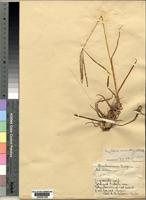
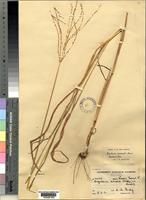
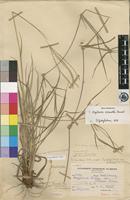
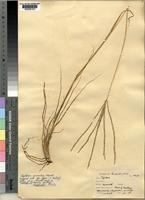
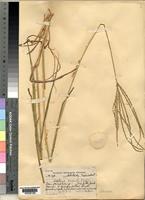
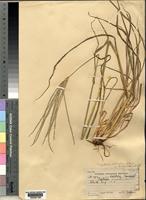
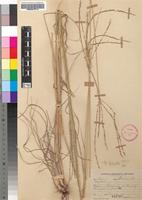
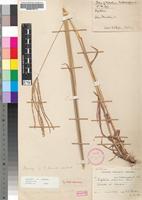
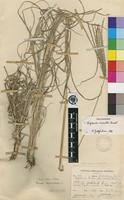
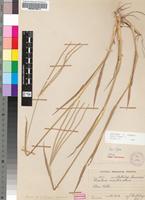
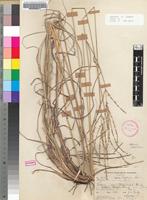
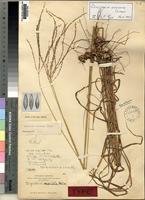
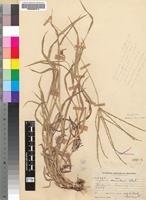
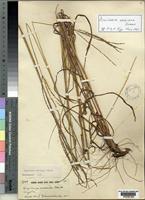
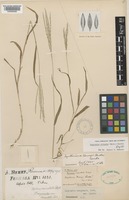
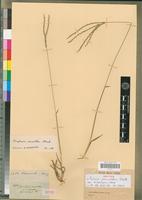
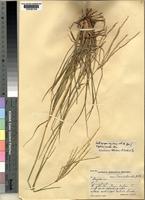
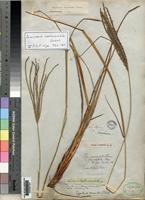
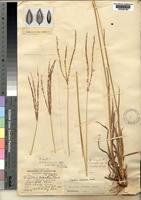
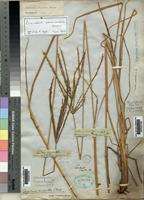
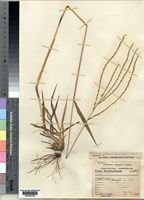
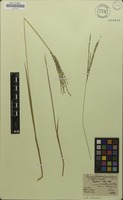
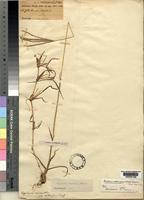
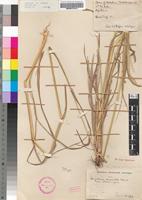
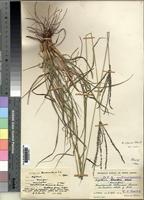
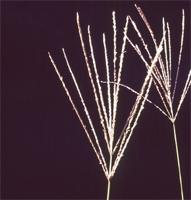
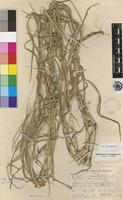
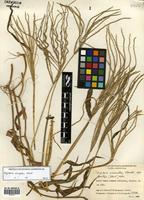
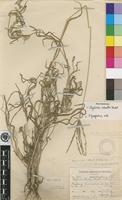
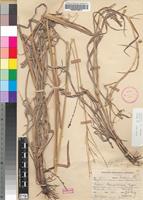
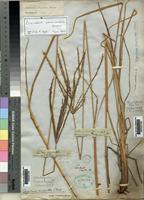
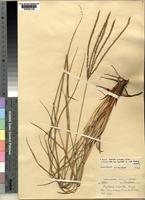
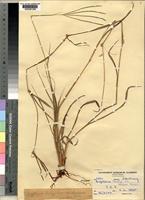
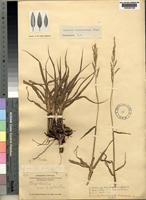
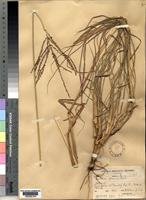
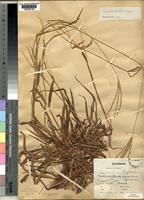
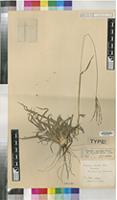
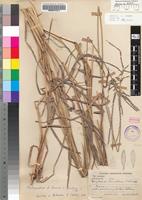
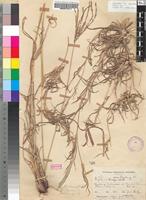
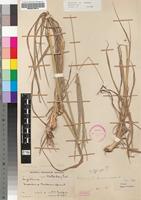
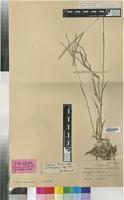
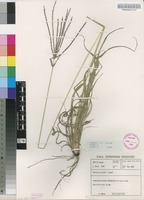
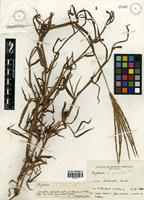
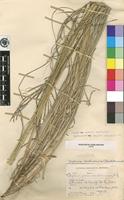
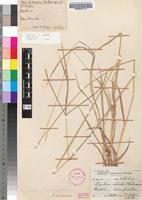
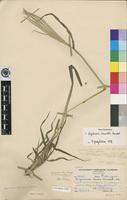
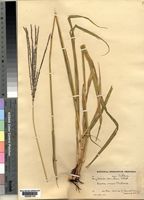
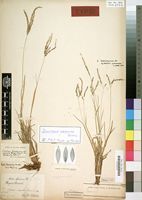
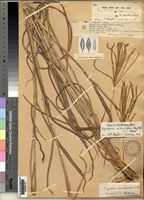
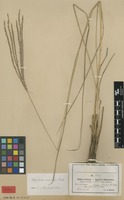
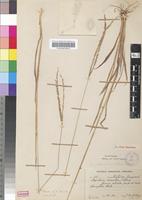
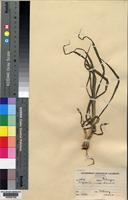
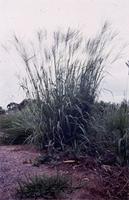
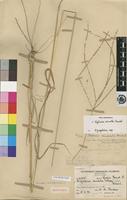
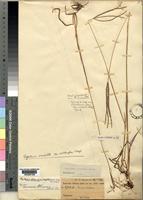
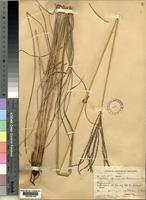
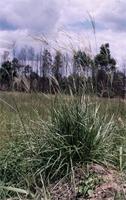
Tufted perennial up to 100 cm high, usually bulbous at the base, without rhizomes, the basal sheaths silky-pubescent to tomentose; nodes glabrous; leaves linear. Inflorescence of 4–12 digitate or subdigitate racemes (axis up to 7.5 cm long); racemes 3–15 cm long, the spikelets in approximate pairs on a triquetrous rhachis. Spikelets narrowly elliptic, 2–3 mm long; lower glume an ovate scale 0.1–0.4 mm long; upper glume 2/3 as long to as long as the spikelet, 3-nerved, glabrous to pubescent or villous; lower lemma 7-nerved, glabrous to pilose or woolly-villous; fruit ellipsoid, greyish to light brown.
Range
N1; C1; S2
Altitude range
c. 50 m.
Distribution
SOMALIA and North Africa through Eritrea, Kenya and Tanzania to Arabia and Pakistan. Appleton s.n.; Herlocker 410; Bigi 7.
Distribution (external)
Canary Is
Notes
A variable species in Africa rather hard to distinguish from D. macroblephara. The latter has pilose or villous nodes, but these are often concealed in the sheaths. D. nodosa has a tendency towards a tighter raceme than in D. macroblephara with the spikelet-hairs appressed rather than forming a spreading fringe and not or scarcely exceeding the tip of the spikelet, but these characters are not very reliable.