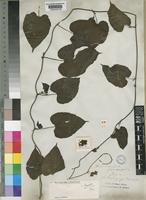
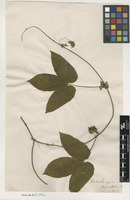
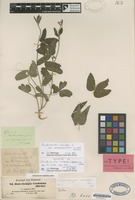
Entry for DALECHAMPIA parvifolia Lam. [family EUPHORBIACEAE]
Entry From
Flora Somalia, Vol 1, (1993) Author: by S. Carter (Euphorbia, Monadenium), M. G. Gilbert (Acalypha, Andrachne, Antidesma, Bridelia, Caperonia, Cephalocroton, Chrozophora, Clutia, Dalechampia, Flueggea, Givotia, Manihot, Meineckia, Micrococca, Oldfieldia, Phyllanthus, Ricinus, Suregada, Tragia), and M. Thulin (Croton, Drypetes, Erythrococca, Excoecaria, Jatropha, Spirostachys and Thecacoris) [updated by M. Thulin 2008]
Names
DALECHAMPIA parvifolia Lam. [family EUPHORBIACEAE], (1786). Fig. 167.
DALECHAMPIA cordofana Webb [family EUPHORBIACEAE], (“cordafana”) (1849);
DALECHAMPIA scandens (Webb) Muell. Arg. var. cordofana [family EUPHORBIACEAE], in DC., Prodr. 15(2): 1245 (1866). [type as above]
DALECHAMPIA scandens [family EUPHORBIACEAE], in the sense of African authors, not L.
DALECHAMPIA ipomoeifolia [family EUPHORBIACEAE], in the sense of Agnew (1974), not Benth.
Notes
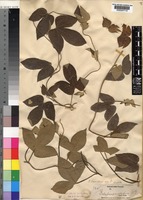
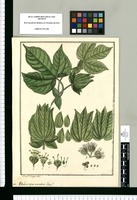
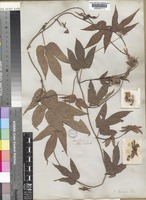
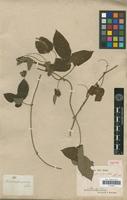
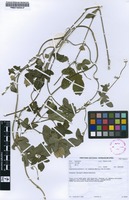
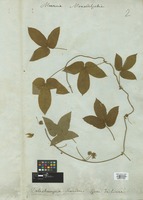
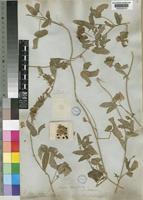
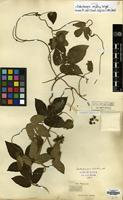
The leaves vary dramatically in form between those with narrow, acuminate lobes and those with broad, rounded lobes but the forms overlap extensively in distribution and it does not seem practicable to separate them. This species has usually been included within D. scandens, but Webster & Armbruster in Bot. J. Linn. Soc. 105: 160–162 (1991) treat D. scandens as a species restricted to the New World. Apart from var. cordofana, Pax recognised amongst the “Old World D. scandens ” one variety from Madagascar, one from India, one from South Africa and var. hildebrandtii (Pax) Pax from coastal East Africa. The latter differs from D. parvifolia by the entire leaf-lobes and may be a distinct species, although collections such as Thulin & al. 7539 could almost be regarded as intermediate.


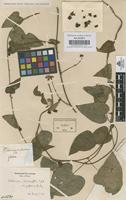
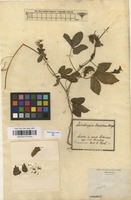
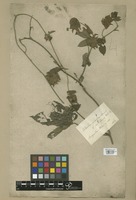
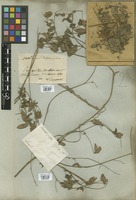
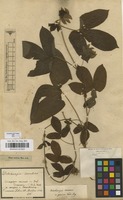
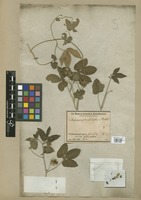
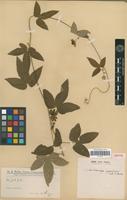
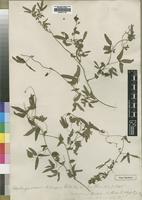
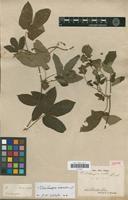
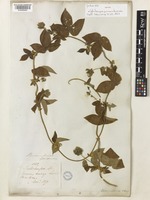
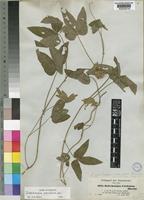
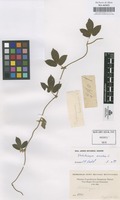
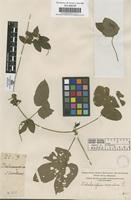
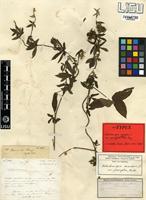
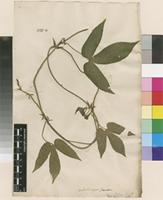
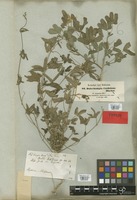
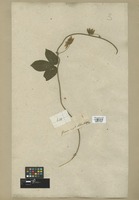
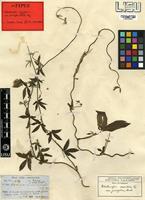
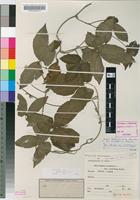 Syntype of Dalechampia scandens L. var. cordofana (Hochst. ex Webb) Müll.Arg. [family EUPHORBIACEAE]
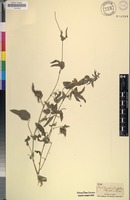
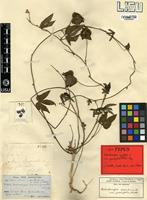
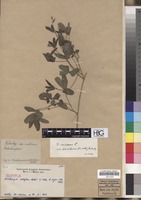
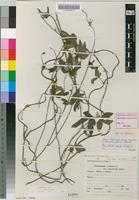
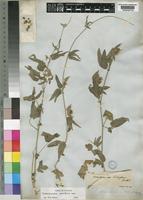
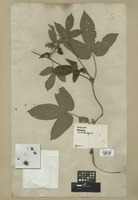
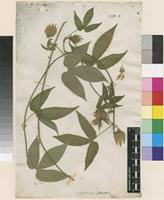
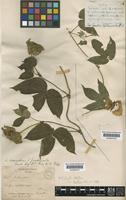
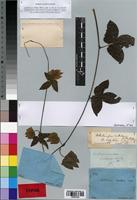
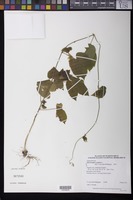
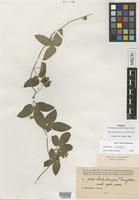
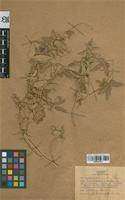
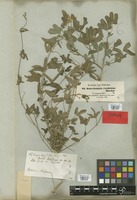
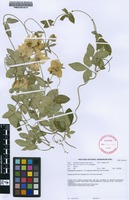
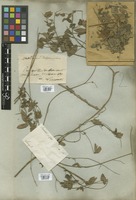
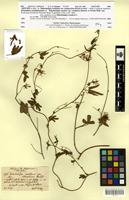
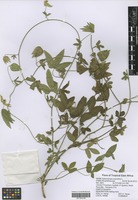
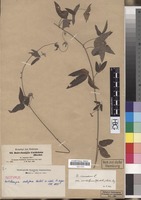
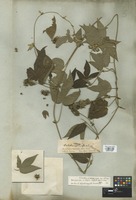
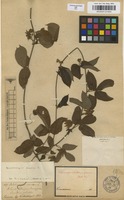
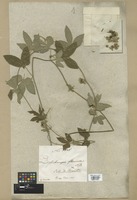
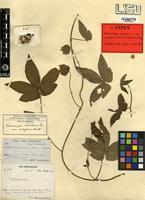 Syntype of Dalechampia scandens L. var. cordofana (Hochst. ex Webb) Müll.Arg. [family EUPHORBIACEAE]
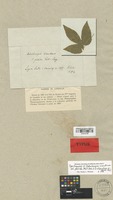
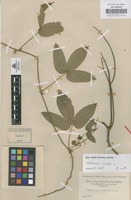
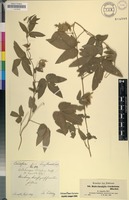
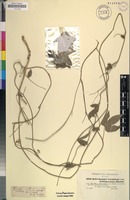
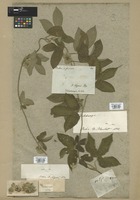
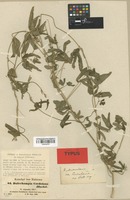
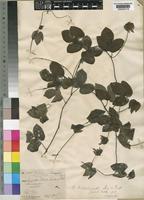
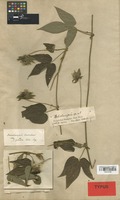
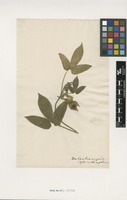
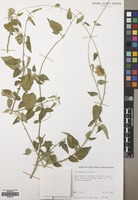
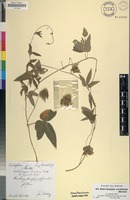
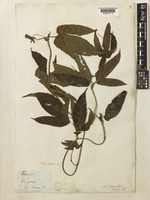
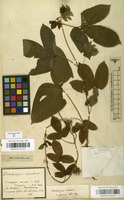
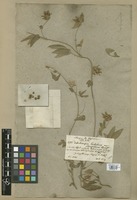
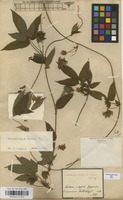
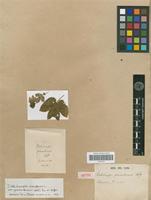
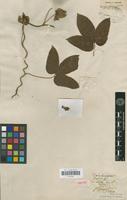
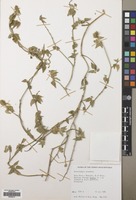
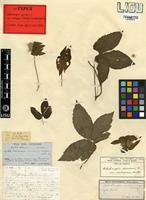 Syntype of Dalechampia scandens L. var. cordofana (Hochst. ex Webb) Müll.Arg. [family EUPHORBIACEAE]
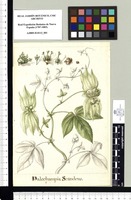
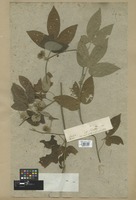
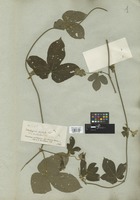

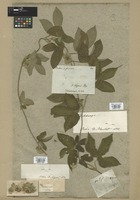
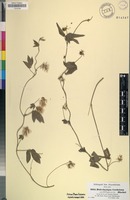
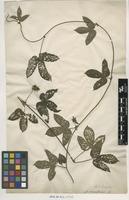
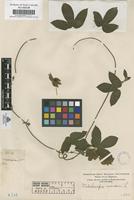
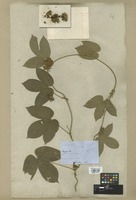
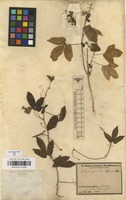
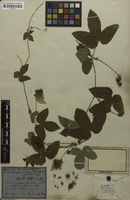
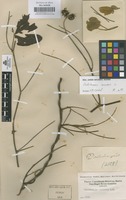
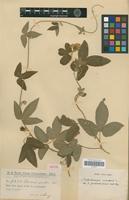
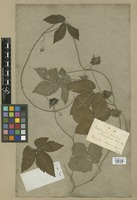
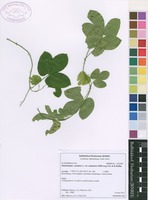
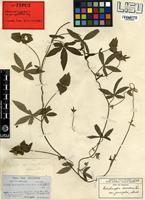
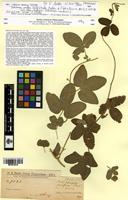
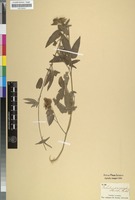
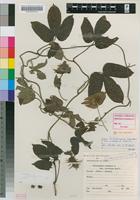
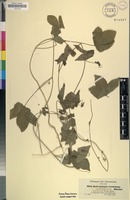
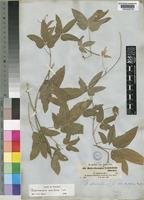
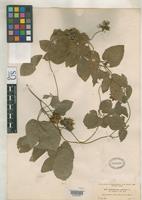
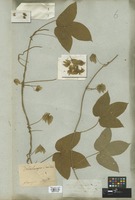
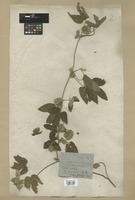
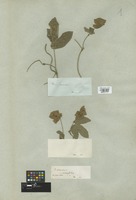
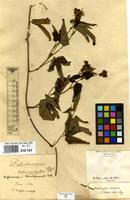
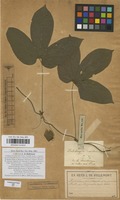
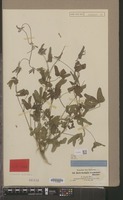
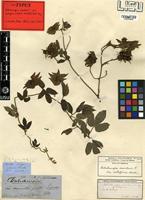 Syntype of Dalechampia scandens L. var. cordofana (Hochst. ex Webb) Müll.Arg. [family EUPHORBIACEAE]