Global Plants
Skip to Main Content
Global Plants
Browse
About
Access
Account
Saved Items
Profile
Log in
Browse
About
Access
Account
Saved Items
Profile
Filter search by
Names
Names with Synonyms
Places
People
Free Text
Search
Search
Advanced Search
Compilation
Dalbergia bignonae
6 Images
see all
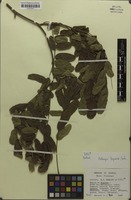
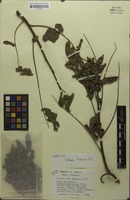
Type? of Dalbergia bignonae Berhaut [family FABACEAE]
Type of Dalbergia bignonae J. Berhaut [family FABACEAE-PAPILIONOIDEAE]
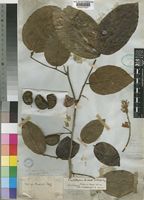
Dalbergia bignonae Berhaut [family LEGUMINOSAE-PAPILIONOIDEAE]
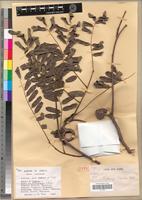
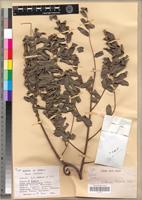
Type of Dalbergia bignonae Berhaut [family LEGUMINOSAE-PAPILIONOIDEAE]
Type of Dalbergia bignonae Berhaut [family FABACEAE]
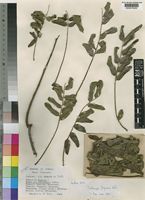
Type of Dalbergia bignonae J. Berhaut [family FABACEAE-PAPILIONOIDEAE]
Previous
Next
Name
Identification
Dalbergia bignonae
Berhaut
[family
LEGUMINOSAE-PAPILIONOIDEAE
] (stored under name);
Related name
Dalbergia heudelotii
Lonchocarpus sericeus
Dalbergia bignonae
Ecastaphyllum monetaria
Ecastaphyllum heudoltii
Ecastaphyllum pinnatum
Common name
é lut é ñab (JB) (SENEGAL, DIOLA-FLUP), Burkill, H.M. 1985. The useful plants of west tropical Africa, Vol. 3
Information
Entry for Dalbergia bignonae Berhaut [family LEGUMINOSAE-PAPILIONOIDEAE]
Herbarium
Royal Botanic Gardens, Kew (K)
Collection
Useful Plants of West Tropical Africa
Resource Type
Reference Sources
Entry From
Burkill, H.M. 1985. The useful plants of west tropical Africa, Vol 3
Names
Dalbergia bignonae
Berhaut
[family
LEGUMINOSAE-PAPILIONOIDEAE
]
Common names
SENEGAL
:
DIOLA-FLUP
é lut é ñab (JB)
Description
A bushy lianescent shrub reaching 10–15 m high, of the forest zone in Casamance (Senegal), Guinea and Sierra Leone, and occurring perhaps in the Central African Republic (1, 2).No usage is recorded.
References
References:1. Berhaut, 1967: 427. 2. idem, 1976: 174–5.
Contributor
Royal Botanic Gardens, Kew (K)
Related Materials
╳