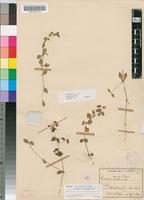
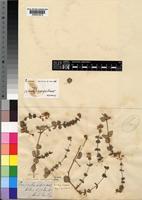
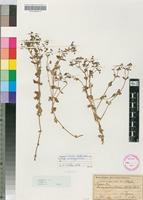
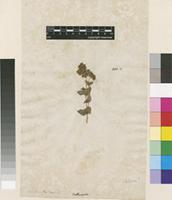
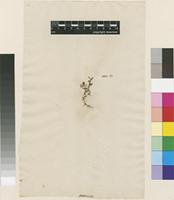
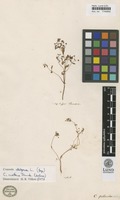
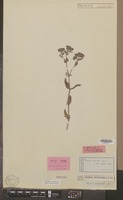
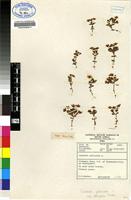
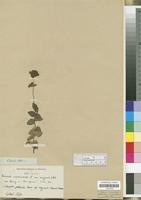
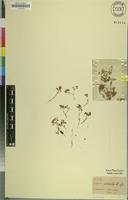
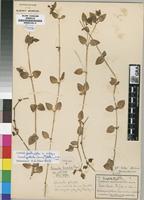
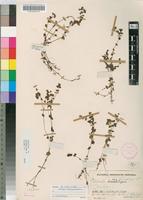
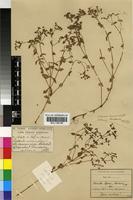
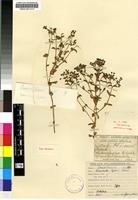
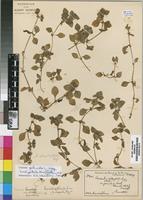
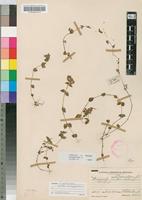
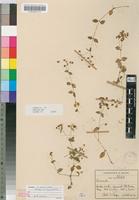
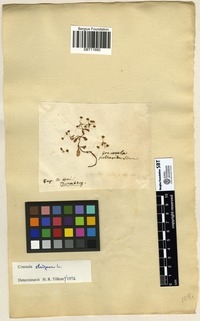
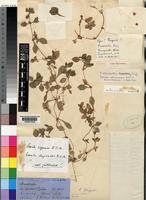
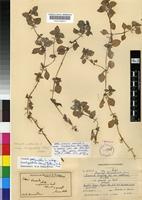
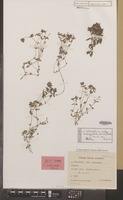
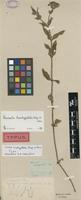
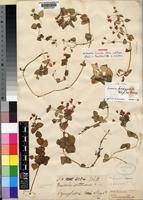
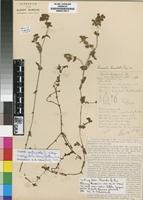
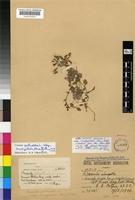
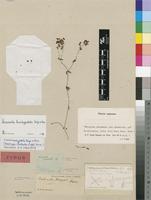
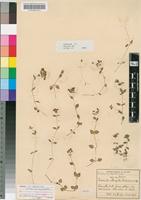
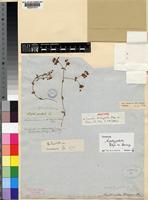
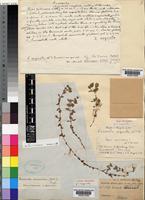
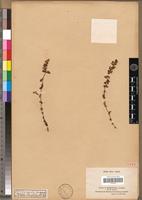
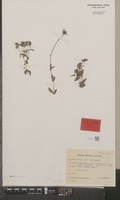
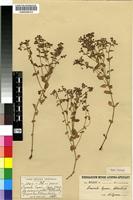
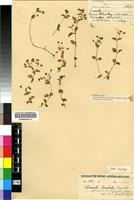
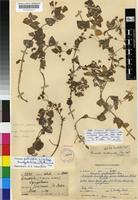
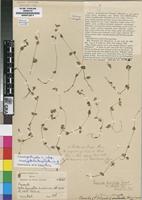
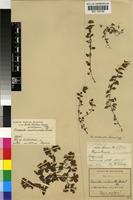
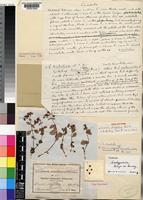
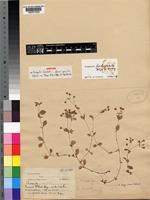
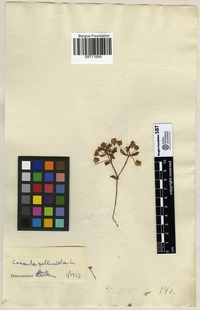
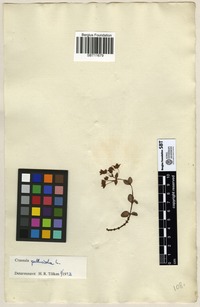
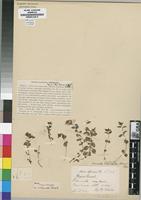
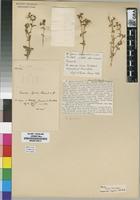
stem herbaceous, distantly forked, diffuse or prostrate, 4-angled, glabrous; leaves connato-perfoliate, either cordate-ovate, ovate, elliptical, oblong or obovate, obtuse or acute or mucronate, flat, thinnish, (pellucid when dry), margined and often dotted within the margin, quite entire or crenato-denticulate; flowers on filiform pedicels, the lower axillary, the upper in a terminal sessile or pedunculate umbel or fascicle; calyx-lobes lanceolate, acuminate, keeled, glabrous; petals nearly free, spreading, oblongo-or ovato-lanceolate, acute, concave; styles shortly subulate. Stems perennial, very weak and rooting at the nodes, 1–3 feet long, the forks 6–8 inches apart. Leaves very variable in shape, even on the same stem, the lower leaves being often obovate and very obtuse, the upper cordate-ovate and acute. Sometimes all the leaves are cordate-ovate; sometimes ovato-lanceolate and even acuminate, When dry they are pellucid and veiny, often with linear purple lines, but as often without them. I cannot regard C. marginalis as more than a local variety: and scarcely that, for Thunberg's specimen of C. centauroides from Table Mt.., belongs to it. “ C. dichotoma ” of Herb. Thunb. is a form of this species, with lanceolato-spathulate, acute leaves.