JSTOR Global Plants Home
  • Home
  • Browse
  • About
  • Access
  • Account
    • Saved Items
    • Profile
  • Log in

Global Plants

Skip to Main Content
  • JSTOR Global Plants Home
  • Global Plants

    • Browse
    • About
    • Access
    • Account
      • Saved Items
      • Profile
Log in
  • Browse
  • About
  • Access
  • Account
    • Saved Items
    • Profile
Advanced Search

Compilation
Cochlospermum angolense

11 Images see all

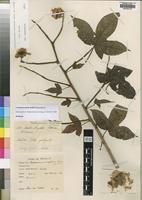
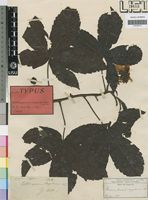
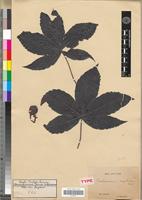
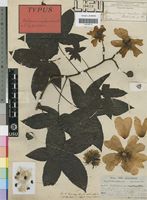
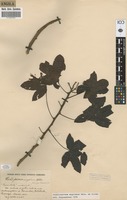
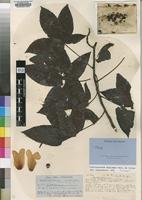
Holotype of Cochlospermum noldei Poppend. [family BIXACEAE]
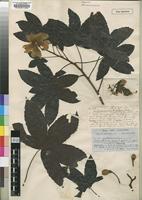
Cochlospermum angolense Welw. [family COCHLOSPERMACEAE]
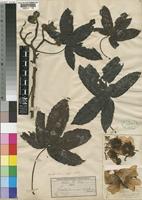
Isotype of Cochlospermum angolense Welw. [family COCHLOSPERMACEAE]
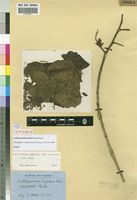
Type of Cochlospermum angolense Oliv. [family COCHLOSPERMACEAE]
Isotype of Cochlospermum angolense Welw. [family COCHLOSPERMACEAE]
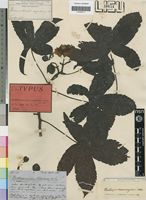
Type of Cochlospermum angolense Welw. [family COCHLOSPERMACEAE]
Filed as Cochlospermum angolense Welw. ex Oliv. [family BIXACEAE]
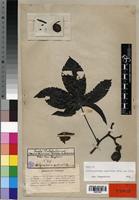
Isotype of Cochlospermum angolense Welw. ex Oliv. [family BIXACEAE]
Type of Cochlospermum angolense Welw. ex Oliv. [family BIXACEAE]
Isotype of Cochlospermum noldei Poppend. [family BIXACEAE]
Previous
Next

Name

Identification
Cochlospermum angolense Welw. ex Oliv. [family BIXACEAE ] (stored under name); Cochlospermum angolense Welw. ex Oliv. [family BIXACEAE ]
Related name
  • Cochlospermum angolense
  • Cochlospermum noldei

Flora

Entry for COCHLOSPERMUM angolense Welw. [family COCHLOSPERMACEAE]
Herbarium
Royal Botanic Gardens, Kew (K)
Collection
Flora of Tropical Africa
Resource Type
Reference Sources
Entry From
Flora of Tropical Africa, Vol 1, page 112, (1868) Author: (by Prof. Oliver).
Names
COCHLOSPERMUM angolense Welw. [family COCHLOSPERMACEAE], mss.
Information
A tree, attaining a height of 10–20 ft., with a trunk about 9 in. diam. at the base. Branches divaricate. Leaves rather coriaceous, deeply divided (three-fourths or more) into 5 lanceolate or oblong-lanceolate, acuminate segments, serrulate above or nearly entire; glabrous on both surfaces or the nerves obsoletely pubescent beneath; the segments usually slightly overlap each other at the base. Larger leaves 6–7 in. broad, 3 1/2–4 in. long, central lobe about 1 1/4–1 3/4 in. broad; petiole 2–4 in. long. Flowers few together (about 3), 3–4 in. diam., deep yellow. Pedicels puberulous, 1 in. long. Sepals nearly or quite glabrous. Anthers dehiscing by a single minute terminal slit. Ovary densely and softly villous. Fruit about 3 in. long and 2 in. diam., broadly ellipsoidal or obovoid, depressed at the top, separating when ripe into 4 thin, coriaceous, striate, puberulous valves. Seeds reniform, black and shining, enveloped in a deciduous cotton.
Distribution
Angola Lower Guinea distr. Golungo Alto. Frequent on dry, stony declivities between Sange and Camilungo; flowering in February and March, Dr. Welwitsch!
Notes
The Borotuto of the natives, who use the bark in fabricating a coarse cordage. This species is very closely allied to C. Gillivræi, Benth., growing in Queensland, Australia, differing in the villous ovary and some minor characters.

Related Materials

  • Terms and Conditions
  • Privacy Policy
  • Cookie Policy
  • Cookie Settings
  • Accessibility
  • Help
  • Contact Us
  • Facebook
  • Twitter
ITHAKA

JSTOR is part of ITHAKA, a not-for-profit organization helping the academic community use digital technologies to preserve the scholarly record and to advance research and teaching in sustainable ways.

©2000-2026 ITHAKA. All Rights Reserved. JSTOR®, the JSTOR logo, JPASS®, Aluka®, and ITHAKA® are registered trademarks of ITHAKA.

╳