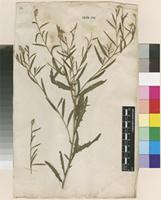
Entry From
Flora of North America, Vol 19,
Names
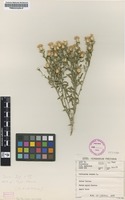
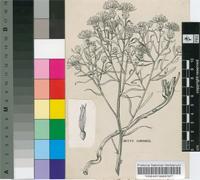
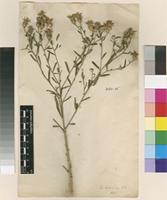
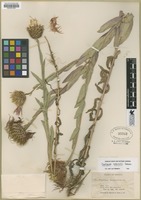
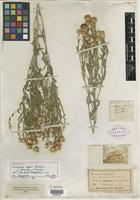
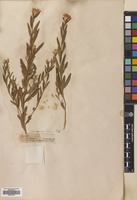
Acroptilon repens (Linnaeus) de Candolle [family COMPOSITAE], in A. P. de Candolle and A. L. P. P. de Candolle, Prodr., 6: 663. 1838
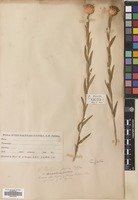
Centaurea repens Linnaeus [family COMPOSITAE], Sp. Pl. ed., 2, 2: 1293. 1763
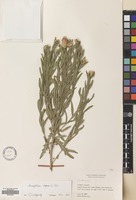
Acroptilon picris (Pallas ex Willdenow) C. A. Meyer [family COMPOSITAE]
C. picris Pallas ex Willdenow [family ]
Discussion
Acroptilon repens has been reported also from Arkansas, Illinois, Indiana, Kentucky, Louisiana, Michigan, Missouri, New York, Ohio, Virginia, and Wisconsin; I have not seen specimens from those states.
Acroptilon repens is a serious weed pest, especially in the western United States. It is a strong competitor in infested areas, often forming dense colonies, and has allelopathic effects on other plants growing nearby. It is very difficult to control or eradicate once it becomes established. It reproduces vigorously from seed and spreads from adventitious buds borne on deep-seated runner roots. Root fragments readily regenerate as new individuals after cultivation. In addition, Russian knapweed is very poisonous to horses, causing neurological symptoms. Because of its bitter taste, it is usually avoided by grazing animals, and consequently it tends to spread when more palatable plants are consumed.