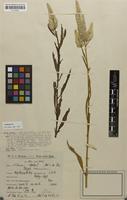
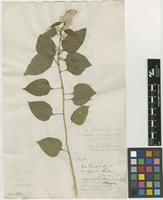
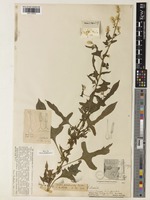
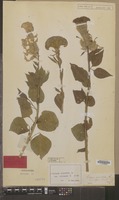
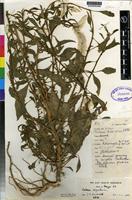
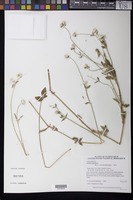
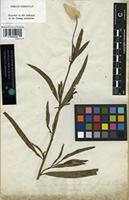
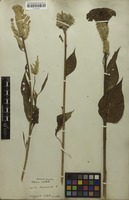
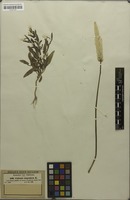
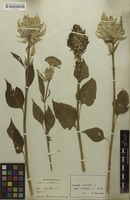
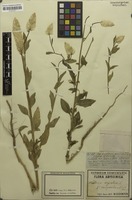
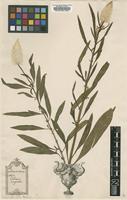
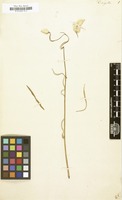
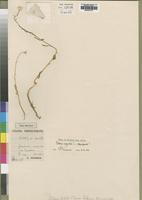
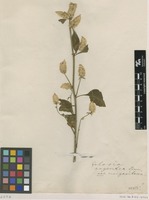
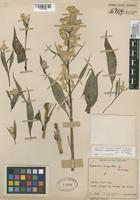
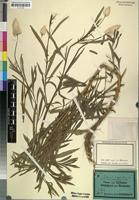
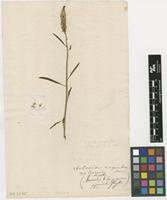
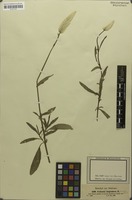
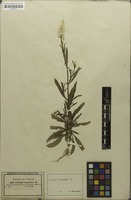
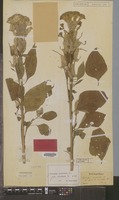
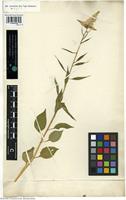
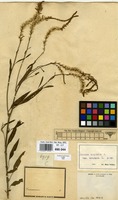
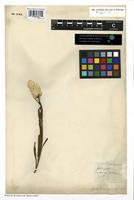
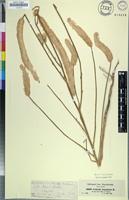
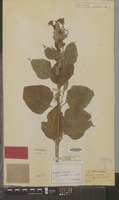
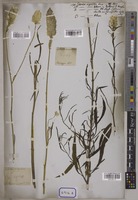
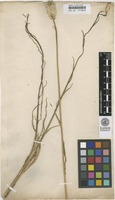
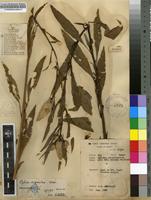
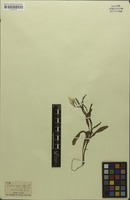
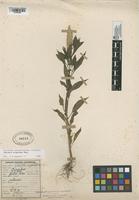
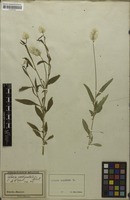
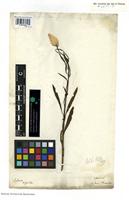
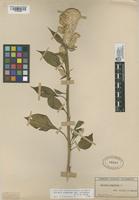
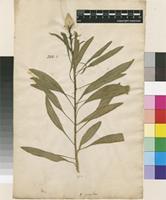
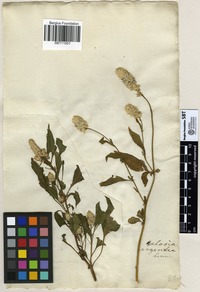
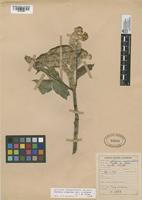
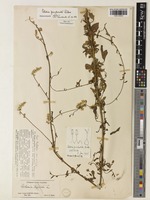
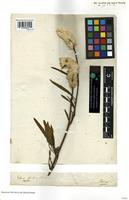
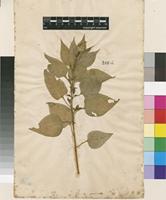
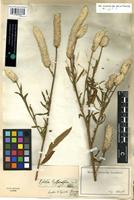
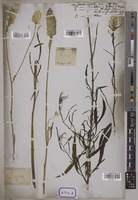
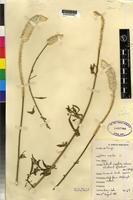
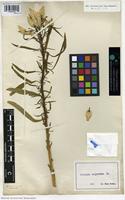
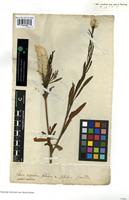
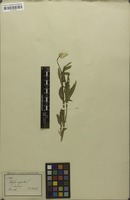
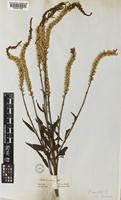
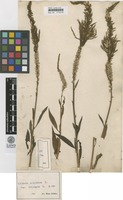
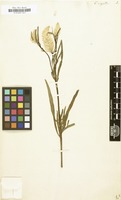
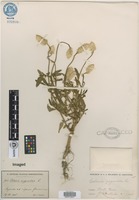
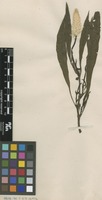
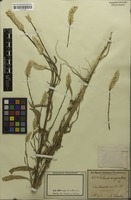
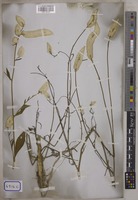
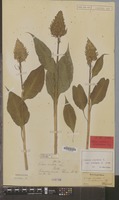
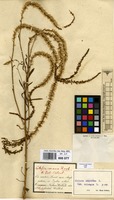
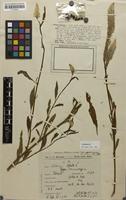
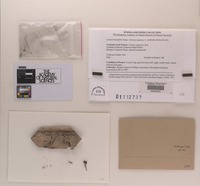
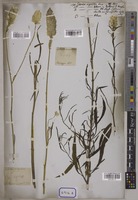
Celosia argenteaL. [family AMARANTHACEAE ] (stored under name);
Related name
Amaranthus not on sheet
Celosia coccinea
Celosia margaritaceae
Celosia margaritacea
`
Celosia trigyna
Celosia cristata
Celosia cernua
Celosia debilis
Celosia stricta
Celosia splendens
Celosia argentea
Common name
kikpσi (FCD) kipσi (FCD) kpange (FCD) yσgσtσ (FCD) (SIERRA LEONE KRIO shσkσtσ-yσkσtσ (FCD), MENDE), Burkill, H.M. 1985. The useful plants of west tropical Africa, Vol. 1
- (SIERRA LEONE KRIO shσkσtσ-yσkσtσ (FCD), SUSU), Burkill, H.M. 1985. The useful plants of west tropical Africa, Vol. 1
an-lami (FCD) (SIERRA LEONE KRIO shσkσtσ-yσkσtσ (FCD), TEMNE (Yoni)), Burkill, H.M. 1985. The useful plants of west tropical Africa, Vol. 1
célosie argentée., Burkill, H.M. 1985. The useful plants of west tropical Africa, Vol. 1
an-lami (FCD) (SIERRA LEONE KRIO shσkσtσ-yσkσtσ (FCD), TEMNE (Kunike)), Burkill, H.M. 1985. The useful plants of west tropical Africa, Vol. 1
ς̣ ọ#ko# (CWvE) so#ko# yọ̀kọ̀tọ̀ = make husband fat (Verger; Dawodu) sọkọ yọ̀kọ̀tọ̀ pupa, pupa: red (CWvE) ς̣ọ#kọtọ a contracted form (JMD) (NIGERIA, YORUBA), Burkill, H.M. 1985. The useful plants of west tropical Africa, Vol. 1
bŏh (JMD) (LIBERIA, MANO), Burkill, H.M. 1985. The useful plants of west tropical Africa, Vol. 1
ígyár′ (Vermeer) (NIGERIA, TIV), Burkill, H.M. 1985. The useful plants of west tropical Africa, Vol. 1
Silver cockscomb, Flora of North America Vol. 4
osun (Lamb) (NIGERIA, YORUBA (Ilorin)), Burkill, H.M. 1985. The useful plants of west tropical Africa, Vol. 1
àbórrà (Dennett; Singha) (NIGERIA, EDO), Burkill, H.M. 1985. The useful plants of west tropical Africa, Vol. 1
Loko) an-kσkσrσ (FCD) (SIERRA LEONE KRIO shσkσtσ-yσkσtσ (FCD), TEMNE (Port), Burkill, H.M. 1985. The useful plants of west tropical Africa, Vol. 1
teŋge-na (FCD) (SIERRA LEONE KRIO shσkσtσ-yσkσtσ (FCD), DYALONKE), Burkill, H.M. 1985. The useful plants of west tropical Africa, Vol. 1
eriemio#nu# (BNO) (NIGERIA, IGBO), Burkill, H.M. 1985. The useful plants of west tropical Africa, Vol. 1
quail grass (Irvine); Lagos spinach (Ghana, Irvine 4802, K); lizard bean (Lagos, Nigeria, because the plant is often frequented by lizards, Onwunyi 1092, UCI)., Burkill, H.M. 1985. The useful plants of west tropical Africa, Vol. 1
ngo ban ku (JB) (SENEGAL, MANDING-BAMBARA), Burkill, H.M. 1985. The useful plants of west tropical Africa, Vol. 1
farar áláyyafóo = white alayafu (JMD; Singha) riímií (ZOG) (NIGERIA, HAUSA), Burkill, H.M. 1985. The useful plants of west tropical Africa, Vol. 1
an-kσkσrσ (FCD) (SIERRA LEONE KRIO shσkσtσ-yσkσtσ (FCD), TEMNE (Sanda)), Burkill, H.M. 1985. The useful plants of west tropical Africa, Vol. 1
∫okotσ (FRI) (GHANA, MANO), Burkill, H.M. 1985. The useful plants of west tropical Africa, Vol. 1
nkyewσduε (FRI) (GHANA, AKAN-FANTE), Burkill, H.M. 1985. The useful plants of west tropical Africa, Vol. 1
sheiba (JMD) (NIGERIA, ARABIC), Burkill, H.M. 1985. The useful plants of west tropical Africa, Vol. 1
tσbσ (FRI) (GHANA, ADANGME-KROBO), Burkill, H.M. 1985. The useful plants of west tropical Africa, Vol. 1
Flora
Entry for CELOSIA argentea L. [family AMARANTHACEAE]
Herbarium
Royal Botanic Gardens, Kew (K)
Collection
Flora Somalia
Resource Type
Reference Sources
Entry From
Flora Somalia, Vol 1, (1993) Author: by C. C. Townsend [updated by M. Thulin 2008]
Erect annual herb, 0.4–2 m, simple to much-branched, stem and branches quite glabrous. Leaves lanceolate-oblong to narrowly linear, acute or obtuse, glabrous, main stem-leaves 2–15 x 0.1–3.2 cm, narrowed to an obscure petiole, those of the upper stem and branches rapidly reducing. Inflorescence a dense spike, 2.5–20 x 1.5–2.2 cm, silvery-white or pinkish, long-pedunculate on the stem and branches, at first conical, finally cylindrical, sometimes laxer at the base. Tepals 6–10 mm, narrowly elliptic-oblong, the midrib shortly excurrent, 1–2 shorter lateral nerves present on each side, margins broadly hyaline. Ovary 4–8-ovulate; style slender, 5–7 mm long, with 2–3 very short stigmas. Capsule ovoid or subglobose, 3–4 mm.
Range
S3 almost a pantropical weed, probably originating in tropical Africa, where it is widespread.