JSTOR Global Plants Home
  • Home
  • Browse
  • About
  • Access
  • Account
    • Saved Items
    • Profile
  • Log in

Global Plants

Skip to Main Content
  • JSTOR Global Plants Home
  • Global Plants

    • Browse
    • About
    • Access
    • Account
      • Saved Items
      • Profile
Log in
  • Browse
  • About
  • Access
  • Account
    • Saved Items
    • Profile
Advanced Search

Compilation
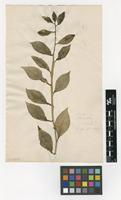
Cactus pereskia

5 Images see all

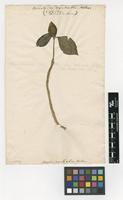
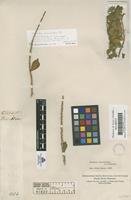
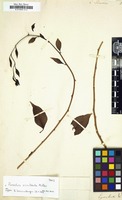
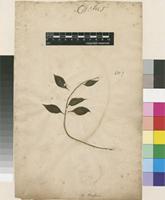
Filed as Pereskia aculeata Mill. [family CACTACEAE]
Filed as Pereskia zinniiflora DC. [family CACTACEAE]
Filed as Cactus pereskia [family CACTACEAE]
Filed as Cactus pereskia L. [family CACTACEAE]
Filed as Pereskia aculeata Mill. [family CACTACEAE]
Previous
Next

Name

Identification
Cactus pereskia L. [family CACTACEAE ] (stored under name); Verified by Not on sheet,
Related name
  • Pereskia zinniiflora
  • Cactus pereskia
  • Pereskia aculeata
Common name
  • blade apple cactus, Flora of North America Vol. 4
  • Barbados gooseberry, Flora of North America Vol. 4
  • Lemon vine, Flora of North America Vol. 4

Flora

Entry for Pereskia aculeata Miller [family CACTACEAE]
Herbarium
Flora of North America (FNA)
Collection
Flora of North America
Resource Type
Reference Sources
Entry From
Flora of North America, Vol 4,
Names
Pereskia aculeata Miller [family CACTACEAE], Gard. Dict. ed., 8. 1768
Cactus pereskia Linnaeus [family ], Sp. Pl., 1: 469. 1753
Treatment Author(s)
Michael W. Hawkes
Information
Shrubs or vines, clambering, 3–10 m. Stems to 3 cm diam., spiny; areoles to 15 mm diam., largest on basal portion of stem. Leaves lanceolate to ovate or oblong, 4.5–11 × 1.5–5 cm, 0.5–1 mm thick. Spines of 2 kinds; primary spines (= first formed) 2 per areole, recurved, clawlike, 4–8 mm; secondary spines to 25 per older areole, straight, 10–35 mm. Flowers to 70 in terminal or lateral inflorescences, fragrant, 3 × 2.5–5 cm; pedicels 5–15 mm; tepals perigynous; scales and areoles on prominent to inconspicuous tubercles; perianth whitish to light pink. Fruits yellow to orange, spheric, not angled, 40 × 15–25 mm, never proliferating. Seeds lenticular, 4.5–5 mm diam., glossy. 2n = 22.
Phenology
jun-aug (summer), sep-nov (fall)
Altitude range
0–50 m;
Distribution
West IndiesSouth America.USA Fla.USA Tex.
Discussion
Pereskia aculeata is cultivated as an ornamental, both for its edible fruits and fragrant flowers (though the scent is considered unpleasant by some). The species has escaped from cultivation in seven counties in Florida: Brevard, Dade, Indian River, Manatee, Highlands, St. Lucie, and Palm Beach, and it is established in Willacy County, near the southernmost tip of Texas (J. Ideker 1996).
Native/Introduced
introduced;

Related Materials

  • Terms and Conditions
  • Privacy Policy
  • Cookie Policy
  • Cookie Settings
  • Accessibility
  • Help
  • Contact Us
  • Facebook
  • Twitter
ITHAKA

JSTOR is part of ITHAKA, a not-for-profit organization helping the academic community use digital technologies to preserve the scholarly record and to advance research and teaching in sustainable ways.

©2000-2026 ITHAKA. All Rights Reserved. JSTOR®, the JSTOR logo, JPASS®, Aluka®, and ITHAKA® are registered trademarks of ITHAKA.

╳