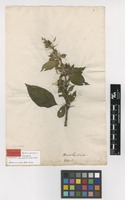
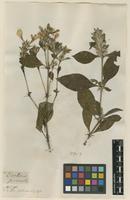
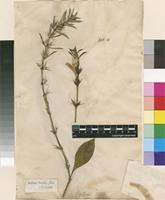
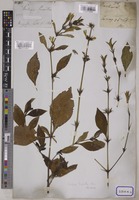
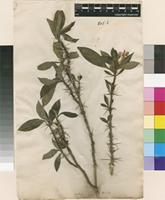
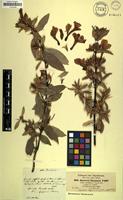
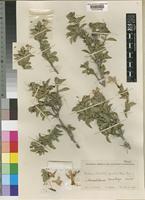
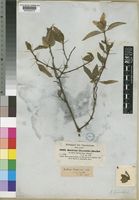
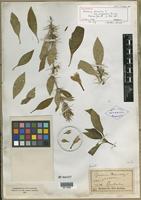
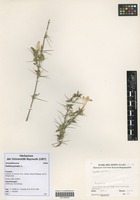
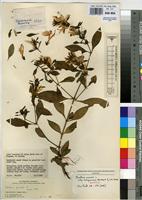
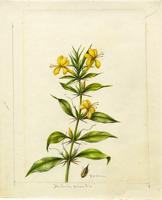
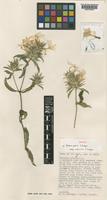
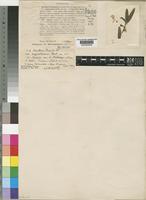
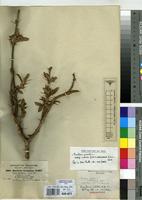
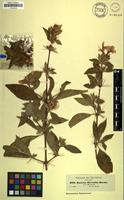
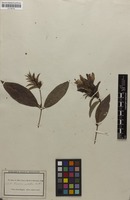
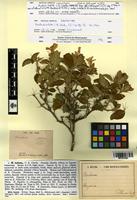
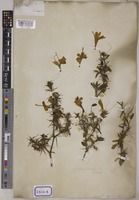
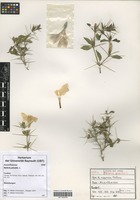
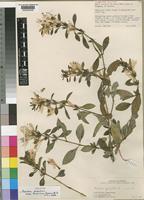
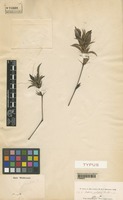
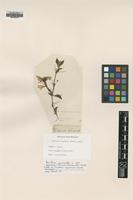
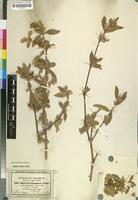
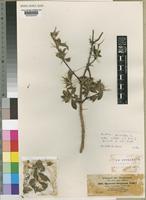
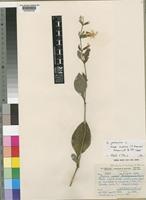
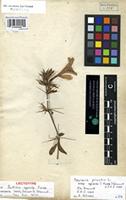
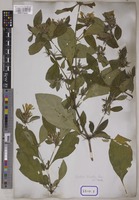
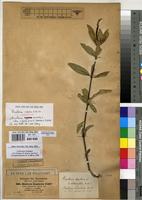
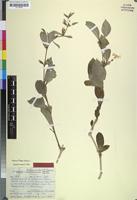
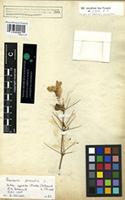
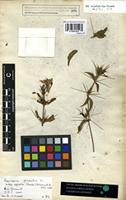
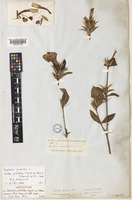
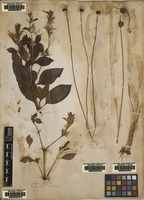
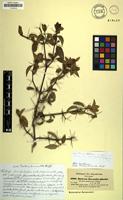
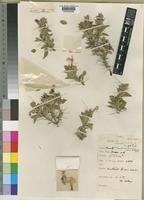
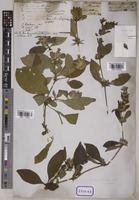
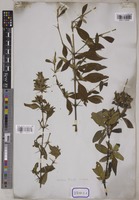
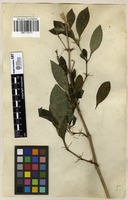
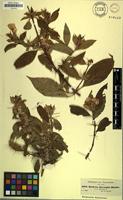
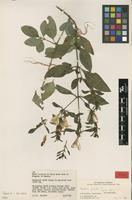
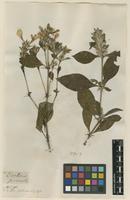
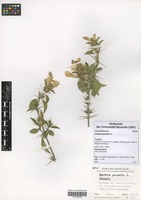
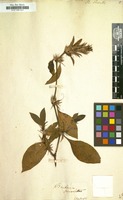
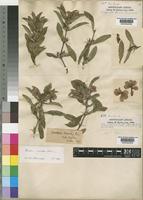
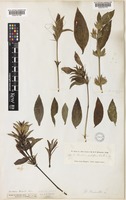
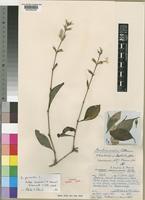
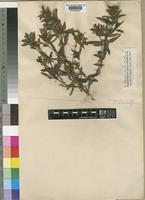
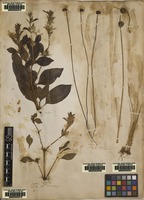
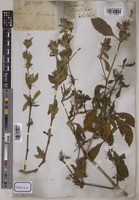
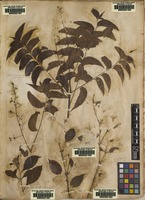
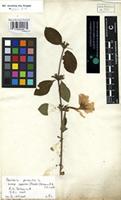
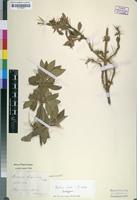
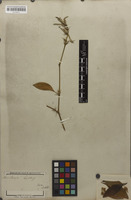
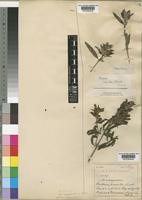
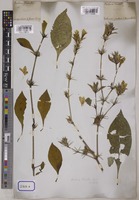
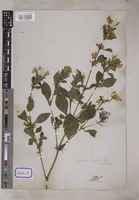
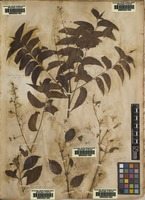
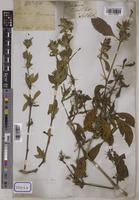
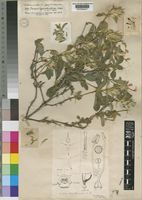
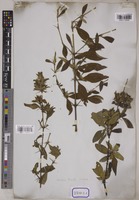
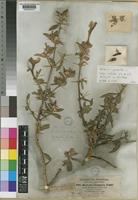
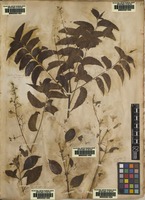
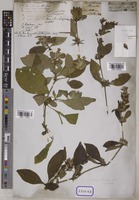
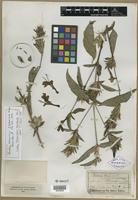
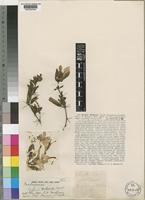
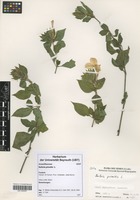
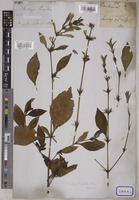
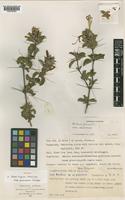
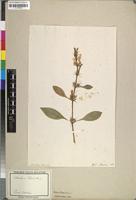
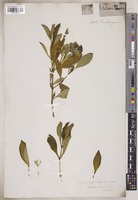
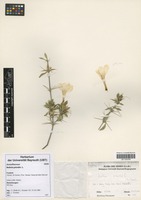
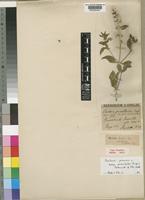
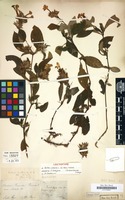
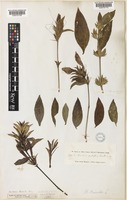
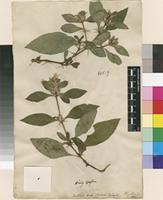
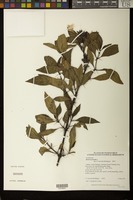
Entry for Barleria prionitis Linn. [family ACANTHACEAE]
Entry From
Burkill, H.M. 1985. The useful plants of west tropical Africa, Vol 1
Uses
leafy twigs leaf-sap Medicines: arthritis, rheumatism, etc. Medicines: ear treatments Medicines: oral treatments leaf sap Medicines: naso-pharyngeal affections Medicines: skin, mucosae Medicines: liver, etc. Medicines: kidneys, diuretics leafy twig leaf-sap Medicines: fabrifuges Medicines: dropsy, swellings, oedema, gout Medicines: paralysis, epilepsy, convulsions, spasm whole plant Phytochemistry: alkali salts (excl. common salt) flower Agri-horticulture: ornamental, cultivated or partially tended Agri-horticulture: hedges, markers
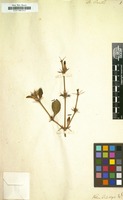
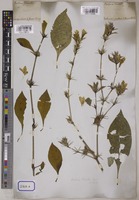
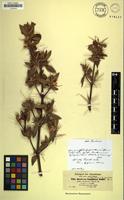
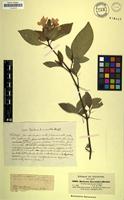
Description
A stiff bushy plant to 1.70 m high, spiny, native of tropical E Africa and Asia and dispersed by man to other hot countries.The plant is adapted to high rainfall areas. It has attractive yellow or light buff-coloured flowers, and is cultivated here and there in the West African region as an ornamental. In Asia is often grown as a hedge and with clipping it strengthens and by reason of its spines becomes impenetrable (1, 3, 4).Leaf-sap is slightly acid and bitter. It is given with honey or sugar to children in India for catarrhal affections accompanied by fever and much phlegm. In the Philippines a bath using a decoction of leaves and leafy twigs is administered for febrile catarrh (5). Other Indian uses are for aphthae, intermittent fever, paralysis, rheumatism, liver diseases, jaundice and dropsy (6), whooping-cough, urinary troubles, bleeding gums, earache, and cracking and laceration of the feet in the rainy season (5). A root-decoction is taken as a mouth-wash in E Africa to relieve toothache (6).Tests for the plant’s antimalarial activity have proved negative on avian malaria (2).The plant is found to be rich in potassium and this is said to contribute to its diuretic action. Important organic principles appear to be absent.