Entry From
Burkill, H.M. 1985. The useful plants of west tropical Africa, Vol 1
Uses
bark Medicines: generally healing bark Medicines: diarrhoea, dysentery bark Medicines: menstrual cycle wood Products: building materials wood bark Products: exudations-gums, resins, etc. Products: carpentry and related applications wood Products: farming, forestry, hunting and fishing apparatus bark Products: fuel and lighting wood Products: household, domestic and personal items
Description
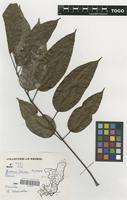
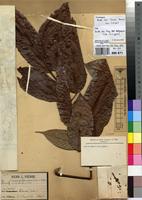
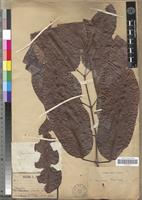
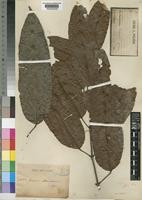
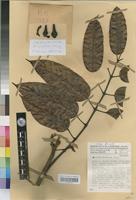
A tree reaching 35–40 m height, with bole to 2 m in diameter of the guinean forest of Gabon, Rio Muni and Lower Congo. It has been introduced into Ivory Coast where it is said to be ’doing well’ (2).It is a relatively fast growing tree, faster even than Guarea cedrata (A. Chev.) Pellegr. (Meliaceae) (1). In Gabon it is the most important timber species, and provides the major portion of exported timbers for making cigar-boxes and packaging, plywood, furniture and naval construction (3, 4, 5). Locally it is used for canoes (3, 5). The wood is resinous making it somewhat inflammable.The bark contains a gum-resin smelling of turpentine and usable in torches and for incense. It finds use in Gabonese hospitals for treating abscesses. The bark is considered astringent and anti-diarrhoetic. Scrapings of bark with seed of maleguetta pepper and leaves of a bitter Solanum sp. are taken by girls at the commencement of puberty (5).