JSTOR Global Plants Home
  • Home
  • Browse
  • About
  • Access
  • Account
    • Saved Items
    • Profile
  • Log in

Global Plants

Skip to Main Content
  • JSTOR Global Plants Home
  • Global Plants

    • Browse
    • About
    • Access
    • Account
      • Saved Items
      • Profile
Log in
  • Browse
  • About
  • Access
  • Account
    • Saved Items
    • Profile
Advanced Search

Compilation
Antherothamnus pearsonii

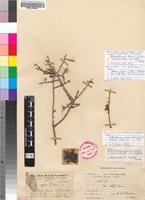
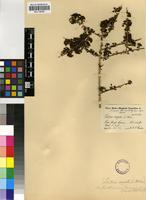
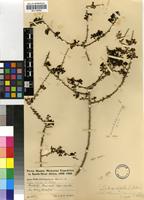
19 Images see all

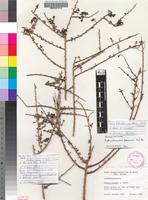
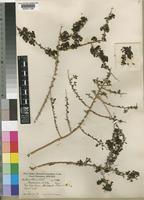
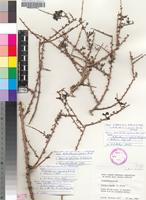
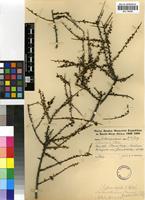
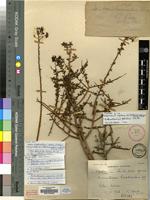
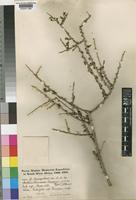
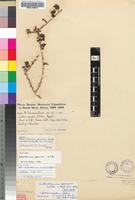
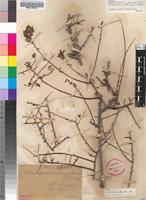
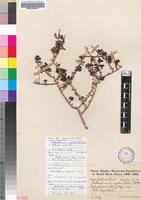
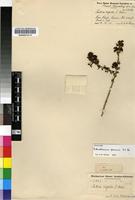
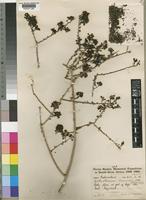
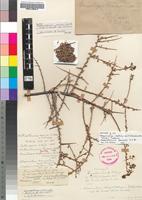
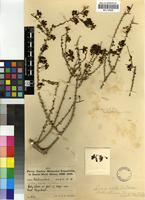
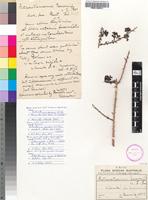
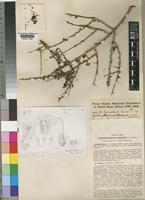
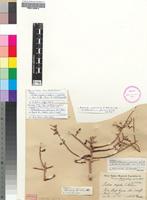
Isolectotype of Sutera rigida L.Bolus [family SCROPHULARIACEAE]
Type of Antherothamnus pearsonii N.E.Br. [family SCROPHULARIACEAE]
Syntype of Sutera rigida L.Bolus [family SCROPHULARIACEAE]
Syntype of Antherothamnus pearsonii N.E.Br. [family SCROPHULARIACEAE]
Isotype of Selaginastrum rigidum Schinz & Thell. var. karasmontanum (Dinter) Schinz & Thell. [family SCROPHULARIACEAE]
Type of Antherothamnus pearsonii N.E.Br. [family SCROPHULARIACEAE]
Syntype of Sutera rigida L.Bolus [family SCROPHULARIACEAE]
Syntype of Manuleopsis karasmontana Dinter ex Schinz & Thell. [family SCROPHULARIACEAE]
Isolectotype of Sutera rigida L.Bolus [family SCROPHULARIACEAE]
Syntype of Antherothamnus pearsonii N.E.Br. [family SCROPHULARIACEAE]
Type of Antherothamnus pearsonii N.E.Br. [family SCROPHULARIACEAE]
Syntype of Manuleopsis karasmontana Dinter ex Schinz & Thell. [family SCROPHULARIACEAE]
Syntype of Antherothamnus pearsonii N.E.Br. [family SCROPHULARIACEAE]
Syntype of Sutera rigida L.Bolus [family SCROPHULARIACEAE]
Type of Antherothamnus pearsonii N.E.Br. [family SCROPHULARIACEAE]
Syntype of Sutera rigida L.Bolus [family SCROPHULARIACEAE]
Type of Antherothamnus pearsonii N.E.Br. [family SCROPHULARIACEAE]
Previous
Next

Name

Identification
Antherothamnus pearsonii N.E.Br. [family SCROPHULARIACEAE ] (stored under name); Verified by Not on sheet,
Related name
  • Selaginastrum rigidum
  • Manuleopsis karasmontana
  • Sutera rigida
  • Antherothamnus pearsonii
  • Antherothamnus rigida

Flora

Entry for Antherothamnus pearsonii N.E. Br. [family SCROPHULARIACEAE]
Herbarium
Royal Botanic Gardens, Kew (K)
Collection
Flora Zambesiaca
Resource Type
Reference Sources
Entry From
FZ, Vol 8, Part 2, (1990) Author: D. Philcox
Names
Antherothamnus pearsonii N.E. Br. [family SCROPHULARIACEAE], in Hook. Ic. Pl.31: 3007 (1915). —Merxm. in Merxm., Prodr. Fl. SW. Afr.126: 8 (1967). TAB. 9. Types from S. Africa.
Sutera rigida L. Bolus [family SCROPHULARIACEAE], in Ann. S. Afr. Mus. 9: 267 (1915). Type from S. Africa.
Selaginastrum rigidum L. Bolus Schinz & Thell. [family SCROPHULARIACEAE], in Viert. Naturf. Ges. Zürich 74: 121 (1929). Type as above.
Antherothamnus rigida L. Bolus Phillips [family SCROPHULARIACEAE], in Bothalia 3: 271 (1937). Type as above.
Information
Bushy shrub up to 3 m. tall; branches slender, pale orange-brown, shortly glandular-pubescent when young becoming dark brownish-grey, glabrescent with age. Leaves 3–5(10) x 1–1.5(3.5) mm., alternate-fasciculate, obovate cuneate, obtuse, somewhat succulent, shortly glandular-pubescent when young, glabrescent, minutely dark punctate. Inflorescence with racemes 1–1.5 cm. long, arising from upper fascicles. Flowers alternate, pedicellate. Pedicels 1.5–2.75 mm. long, slender, bibracteolate. Bracteoles opposite, 0.6–1.4 mm. long, linear. Calyx 5–7-lobed; lobes 1–2.5 x c. 0.5 mm., obtuse, linear, glabrous. Corolla white with yellow throat, fragrant; tube 2.5–4 mm. long, 1.5–3.25 mm. wide at mouth, narrowly infundibuliform; lobes 1.5–2.5 mm. in diam., subcircular, lower pair slightly smaller. Filaments filiform; anthers subglobose-ellipsoid. Style curved below apex. Capsule 3–3.5 x 2 mm., ovoid, glandular-pubescent when young, glabrescent.
Habitat
rocky hillsides
Altitude range
960–1220 m.
1220
960
Distribution
Zimbabwe W Matobo Distr., Matopos, fr. 6.xi.1925, Eyles 7024 (SRGH).Botswana SE by Livingstone’s Cave, Molepolole, 56 km. NW. of Gaborone, 1160 m., fl. 21.iv.1974, Mott 239 (K; SRGH).
Distribution (external)
S. Africa
Namibia

Related Materials

  • Terms and Conditions
  • Privacy Policy
  • Cookie Policy
  • Cookie Settings
  • Accessibility
  • Help
  • Contact Us
  • Facebook
  • Twitter
ITHAKA

JSTOR is part of ITHAKA, a not-for-profit organization helping the academic community use digital technologies to preserve the scholarly record and to advance research and teaching in sustainable ways.

©2000-2026 ITHAKA. All Rights Reserved. JSTOR®, the JSTOR logo, JPASS®, Aluka®, and ITHAKA® are registered trademarks of ITHAKA.

╳